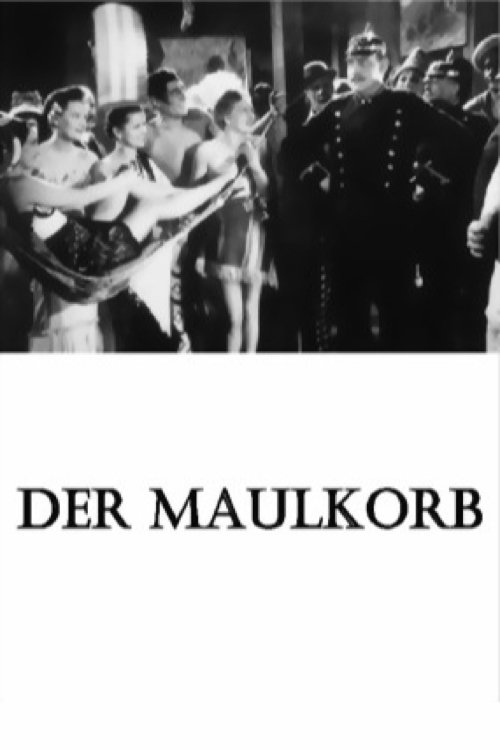
Der Maulkorb
1938
No user ratings available yet
Representation score: 0.3 out of 10
Representation Score
Minimal
1938
Director
Carl Boese
Runtime
87 minutes
Average Rating
No ratings yetNew Showbiz Analysis
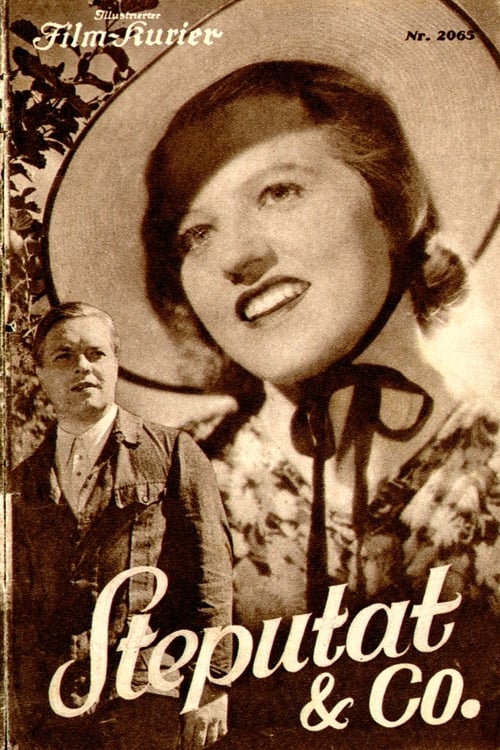
Steputat & Co. is shaped by a tightly controlled studio system that favored conventional narrative structures. The film mirrors the cultural and systemic norms of its time rather than challenging them. The cast and the story's structure uphold existing hierarchies. It does not intentionally explore diverse identities, focusing instead on the comedic archetypes typical of the era. Overall, the film presents a uniform view of society, reflecting the demographic and social norms of 1938 Germany.
Category Breakdown
The film does not include any LGBTQ+ characters or non-straight identities. It follows the strict social codes and censorship rules of 1930s Germany.
Käthe Haack provides a strong female presence, but the film likely upholds traditional gender roles. Women are shown mainly in domestic or romantic roles, not in leadership positions.
The film reflects the demographic uniformity of 1938 Germany. There is no indication of non-white actors or ethnic diversity among the cast.
The story highlights traditional Western social structures and family life. It supports the cultural norms and societal stability of the late 1930s.
There is no information about the portrayal of physical or neurodivergent disabilities in this production.
Present on Screen
Limited or Absent
Official Synopsis
A rich East Prussian shopkeeper,jealous that one of his male employees is in love with a female employee he himself covets, frames the couple for stealing lottery tickets.
1938
1991
1938
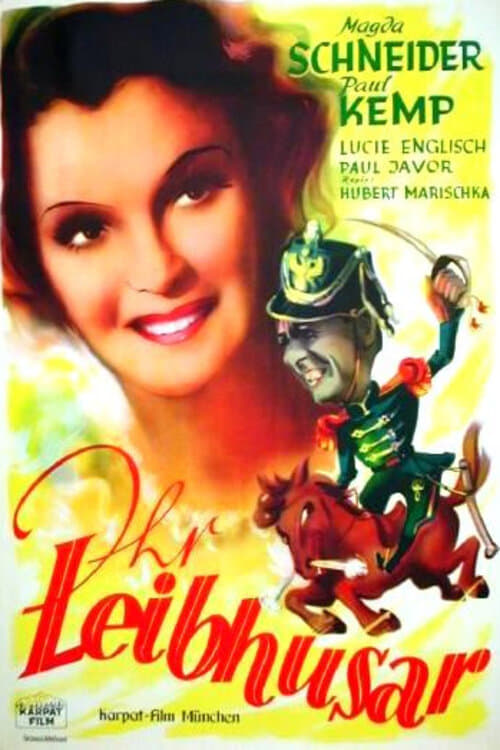
1938
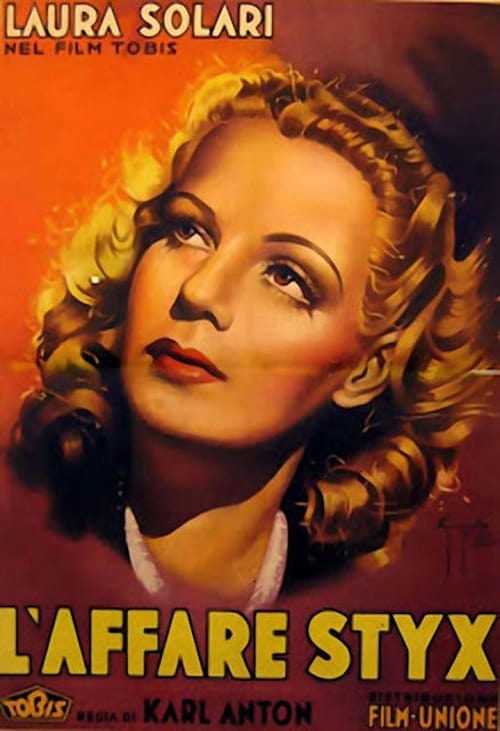
1942
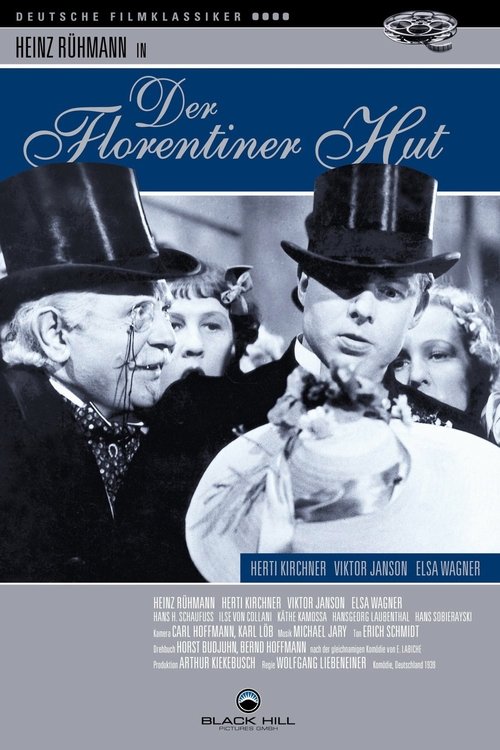
1939
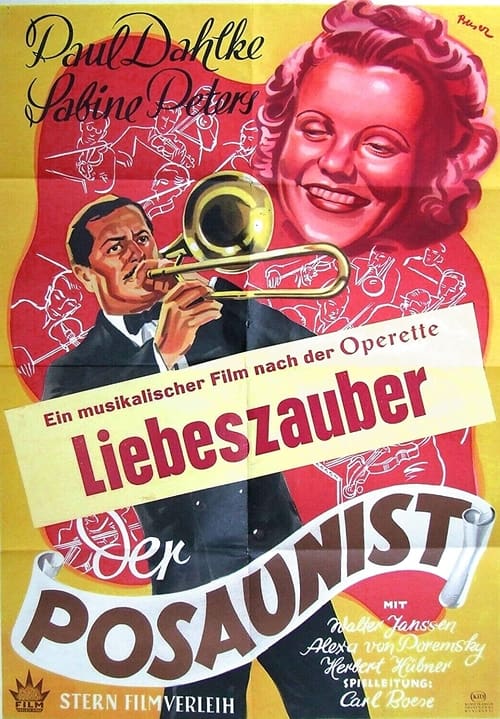
1949
1943
No reviews yet. Be the first to share your thoughts on this movie!
Use the rating form above to leave a star rating and optional review.