
Gauchito Gil
2020
No user ratings available yet
Representation score: 4.2 out of 10

Representation Score
Limited
1968
Director
Leopoldo Torre Nilsson
Runtime
120 minutes
Average Rating
No ratings yetNew Showbiz Analysis
Martín Fierro is a period piece that emphasizes the masculine struggle of the gaucho against state oppression. Despite lacking modern demographic diversity, it provides a sophisticated critique of institutional power. The film's strength lies in elevating the underrepresented periphery against a corrupt, centralized authority. However, the social landscape is strictly male-centric, with no representation of LGBTQ+ identities or non-assuming gender matches what was assigned at birth narratives. Women have very limited ability to act, and there is no visible representation of physical or neurodivergent disabilities.
Category Breakdown
The film is set in the mid-19th century and focuses on patriarchal lineage. There are no queer narratives or non-assuming gender matches what was assigned at birth identities present.
The story centers on the male experience of displacement and survival. Women are portrayed as domestic anchors whose stability is disrupted by the actions of men, reflecting the social constraints of the time.
The film explores the identity of gauchos, focusing on the rural working class often overlooked in urban-centric histories. However, the cast remains largely homogeneous within this specific subculture.
The film critiques centralized Western institutions and corrupt military apparatuses. It portrays the state as an oppressive force that dismantles the family unit and individual autonomy.
There are no specific depictions of physical or neurodivergent disabilities within the narrative context.
Present on Screen
Limited or Absent
Official Synopsis
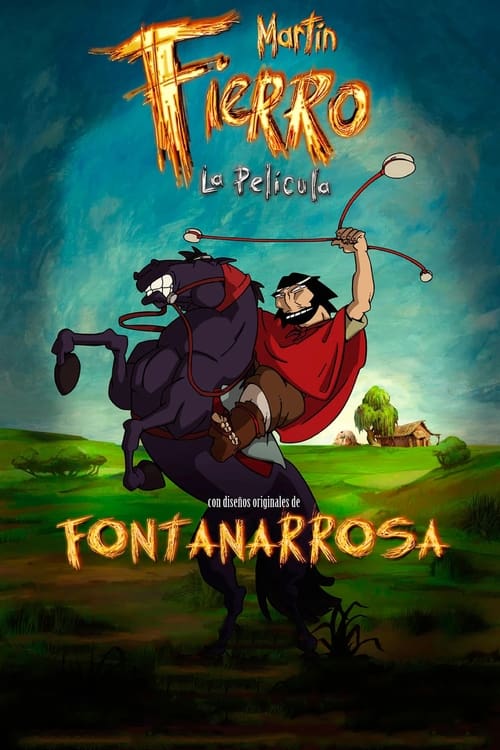
The story of rebel gaucho Martin Fierro, his people, and their life in the Argentine Pampas. Based on José Hernández's epic poem.
2020

2007

1947
2007

1970

1942

1969

1973
No reviews yet. Be the first to share your thoughts on this movie!
Use the rating form above to leave a star rating and optional review.