Viramundo
1965
No user ratings available yet
Representation score: 3.9 out of 10
Representation Score
Fair
1967
Director
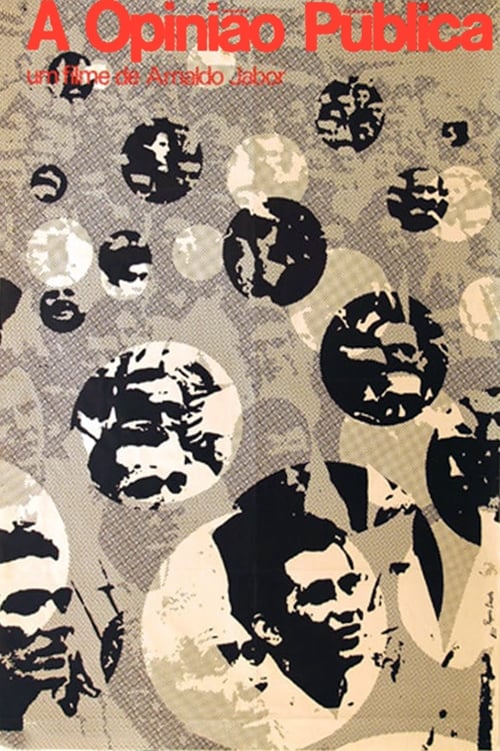
Arnaldo Jabor
Runtime
65 minutes
Average Rating
No ratings yetNew Showbiz Analysis
Arnaldo Jabor’s documentary serves as a sociological study of the Brazilian middle class during the onset of military rule. By using street interviews, the film captures a population navigating political alienation and systemic fear. The work excels in its cultural critique, documenting the breakdown of the social contract. It prioritizes the examination of power dynamics and how institutional changes affect individual control within a controlled society. While the film offers a critical look at systemic instability, it lacks specific focus on identity-based representation, such as LGBTQ+ or disability, due to its concentration on class and politics.
Category Breakdown
The film does not explicitly depict LGBTQ+ identities. This absence may be due to the era's strict social conservatism and the documentary's focus on political and economic issues.
The documentary features interviews with various individuals from the streets, providing a platform for diverse voices. However, it is unclear whether the film challenges the patriarchal structures that dominated 1960s Brazil.
The film captures the racial dynamics of urban Rio de Janeiro through sociological sampling. It primarily documents the perspectives of a particular socio-economic group during a time of significant change.
The narrative critiques traditional institutions and state oppression. It effectively highlights the psychological impact of a military dictatorship on the national psyche.
There is insufficient evidence to determine if disability is portrayed. The film focuses solely on political sentiment and class sociology.
Present on Screen
Limited or Absent
Official Synopsis
Documentary about middle-class people in Rio de Janeiro, in the 1960s, when Brazil was going through a hard period in its history, with the military coup and the following dictatorship. Interviews with people in the street disclose their fears, aspirations and political alienation.
1965
1965

2020
2017
1977
2002
2018

1966
No reviews yet. Be the first to share your thoughts on this movie!
Use the rating form above to leave a star rating and optional review.