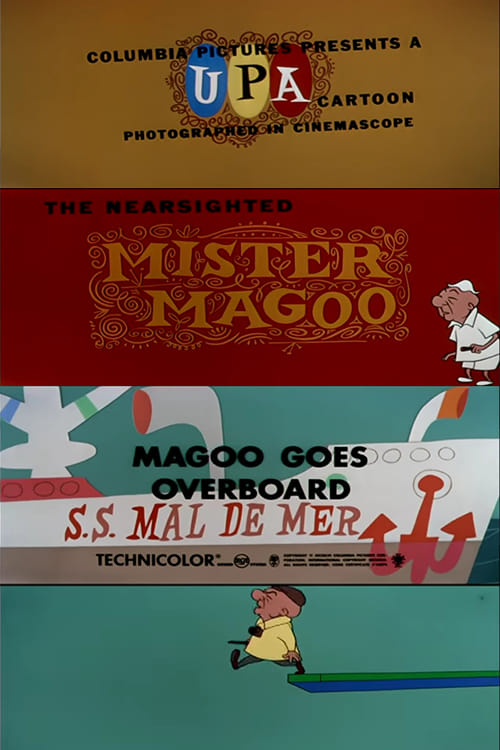
Magoo Goes Overboard
1957
No user ratings available yet
Representation score: 1.6 out of 10
Representation Score
Limited
1952
ApprovedDirector
Pete Burness
Runtime
7 minutes
Average Rating
No ratings yetNew Showbiz Analysis
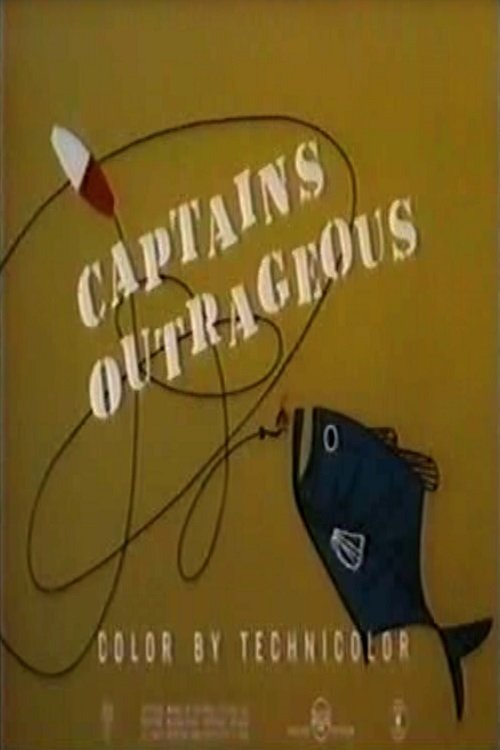
Captains Outrageous is a classic mid-century animated short that emphasizes slapstick humor over deeper storytelling. It leans heavily on well-established clichés of the time, centered around a small, homogeneous group of characters. The film does not aim to represent diverse social issues. While it includes a character with a physical disability, the portrayal is mainly for comedic purposes rather than exploring the character's experiences in depth. Overall, the film operates as a traditional form of entertainment that upholds the societal norms of the 1950s through its limited character dynamics and lack of diverse perspectives.
Category Breakdown
The story focuses on a relationship between an uncle and his nephew, both assumed to be straight. There are no LGBTQ+ identities or dynamics present.
The cast consists solely of male characters, embodying traditional masculine roles. Women play no significant role in the story.
The characters appear to be of a single ethnicity. The film does not feature actors of different races or cultural backgrounds.
The story follows a typical Western adventure format. It upholds conventional societal structures without questioning them.
Mr. MaGoo's poor eyesight is used primarily for comedic effect, creating slapstick situations. His impairment is not explored in depth.
Present on Screen
Limited or Absent
Official Synopsis
The near-sighted, and obviously rich, Mr. MaGoo and his nephew, Waldo, set sail on their well-rigged boat to catch Mighty Moe, the elusive giant marlin. Walso falls overboard and Magoo rescues a seal by mistake. Thinking he is giving brandy to Waldo, Magoo serves the seal with cod-liver oil, making the seal very happy. MaGoon ties the cod-liver oil to the anchor, sinks it and promptly catches Mighty Moe. He then sails for port with his prize catch, leaving Waldo, at sea, hanging onto a buoy.
1957
1954
1956
1945
1945
1957
1956
1938
No reviews yet. Be the first to share your thoughts on this movie!
Use the rating form above to leave a star rating and optional review.