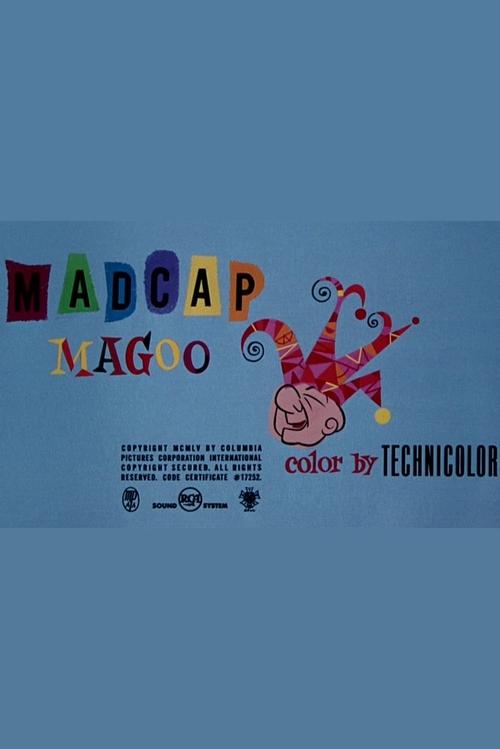
Madcap Magoo
1955
No user ratings available yet
Representation score: 1.5 out of 10
Representation Score
Limited
1956
ApprovedDirector
Pete Burness
Runtime
7 minutes
Average Rating
No ratings yetNew Showbiz Analysis
This animated short is a product of its time, relying on mid-century comedic clichés. The story is driven by mistaken identities and situational irony, centered around the protagonist's visual impairment. While the film features a well-intentioned protagonist, it lacks depth in representing diverse identities. It uses visual shorthand for ethnic characters and treats physical disabilities as a source of humor rather than a meaningful character trait. Ultimately, the film reflects the industry standards of 1956, prioritizing broad comedic conflict over diverse representation.
Category Breakdown
The story revolves around a friendly misunderstanding between Mr. Magoo and his friend Rodney. There are no LGBTQ+ identities represented in the film.
The film centers on male characters, particularly Mr. Magoo and Rodney. It lacks strong roles for women and operates within a typical mid-century male-focused framework.
A character wearing a turban is used as a quick symbol for a foreigner. This portrayal may reinforce ethnic stereotypes without providing deeper understanding.
The film follows traditional Western comedy styles. It focuses on individual quirks and everyday mishaps without delving into cultural critiques.
Mr. Magoo's poor eyesight is the main driver of slapstick humor. His condition leads to comedic confusion rather than a realistic portrayal of living with a disability.
Present on Screen
Limited or Absent
Official Synopsis
When Rodney, a friend of the nearsighted Mr. Magoo, goes to the hospital, Mr. Magoo decides to visit him and to take along some of his cure-all, homemade elixir. But he makes a wrong turn and ends up on a docked-ship visiting a stranger wearing a turban, thanking he is Rodney, and gives him some of the elixir. He returns home and gets a telephone call from Rodney who is waiting for his visit. He thinks Rodney is delirious and ventures forth for another visit carrying a giant-size bottle of his elixir.
1955
1955
1955
1956
1957
1957
1956
1954
No reviews yet. Be the first to share your thoughts on this movie!
Use the rating form above to leave a star rating and optional review.