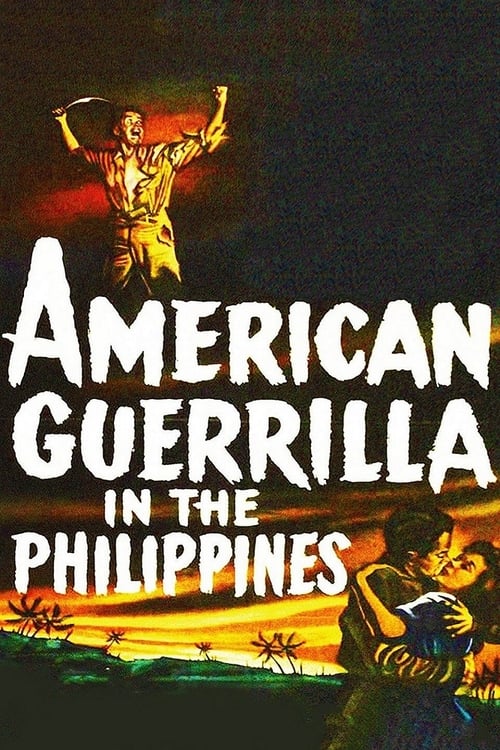
American Guerrilla in the Philippines
1950
No user ratings available yet
Representation score: 1.8 out of 10
Representation Score
Limited
1966
NRDirector
John Derek
Runtime
97 minutes
Average Rating
No ratings yetNew Showbiz Analysis
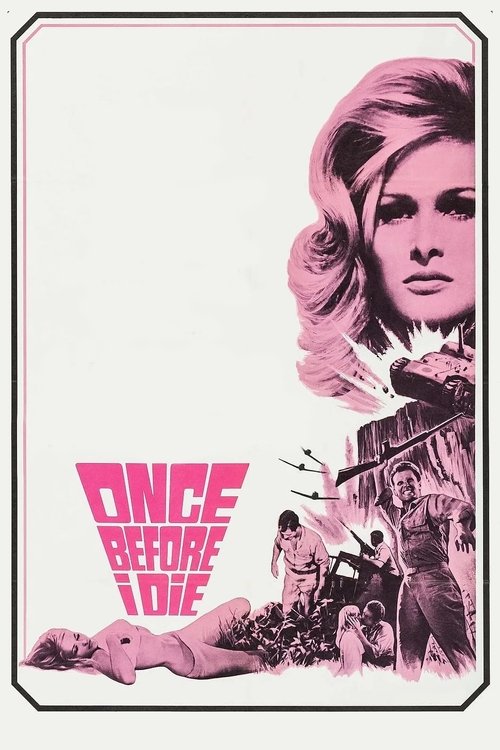
Once Before I Die is a wartime drama that adheres strictly to the cinematic conventions of the 1960s. The narrative prioritizes established social hierarchies and conventional romantic motivations, offering very little disruption to the status quo. The film centers on a male-led military expedition, reinforcing patriarchal leadership roles. While the setting provides a diverse backdrop, the ability to act remains firmly with Western protagonists, resulting in a limited perspective on the local population. Ultimately, the work functions as a traditional melodrama. It focuses on duty and survival through a Western lens, lacking significant representation of LGBTQ+ identities or diverse cultural critiques.
Category Breakdown
The film focuses on traditional heterosexual relationships and romantic longing. It does not include any non-binary gender identities or critiques of traditional gender norms.
The story follows a traditional wartime narrative where a male protagonist serves as the protector. Women are primarily portrayed as dependents within a patriarchal military structure.
Set in the Philippines, the plot is driven by American military personnel. The narrative maintains a colonial-era perspective rather than showcasing a multi-ethnic cast.
The film aligns with mid-century Western cinematic norms and traditional values. It functions as a standard wartime drama without significant cultural or secular critiques.
There is no mention of characters dealing with physical, sensory, or neurodivergent disabilities.
Present on Screen
Limited or Absent
Official Synopsis
Stranded behind enemy lines when the Japanese attack the Philippines in late 1941, Lt. Bailey must lead a group of soldiers and their families to safety and the streets of Manila. During the perilous trek, Alex befriends a virginal young soldier whose only desire is to have sex once before he dies.
1950
1959

1953
1956
1960

1962

1961
1958
No reviews yet. Be the first to share your thoughts on this movie!
Use the rating form above to leave a star rating and optional review.