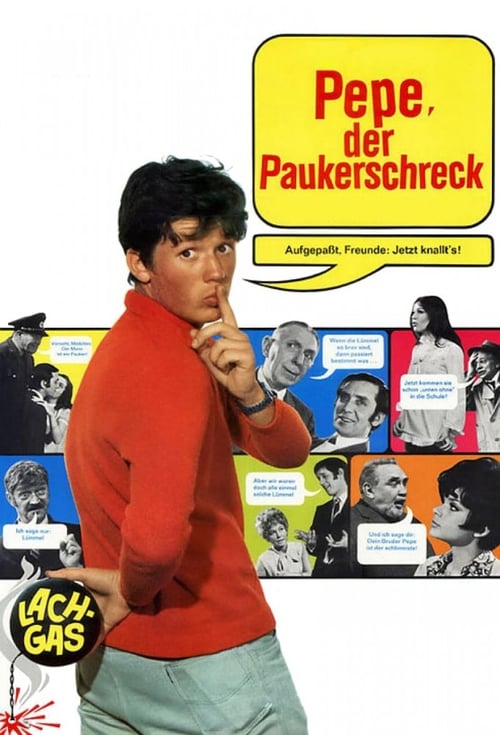
Pepe, der Paukerschreck
1969
No user ratings available yet
Diversity score: 1.6 out of 10
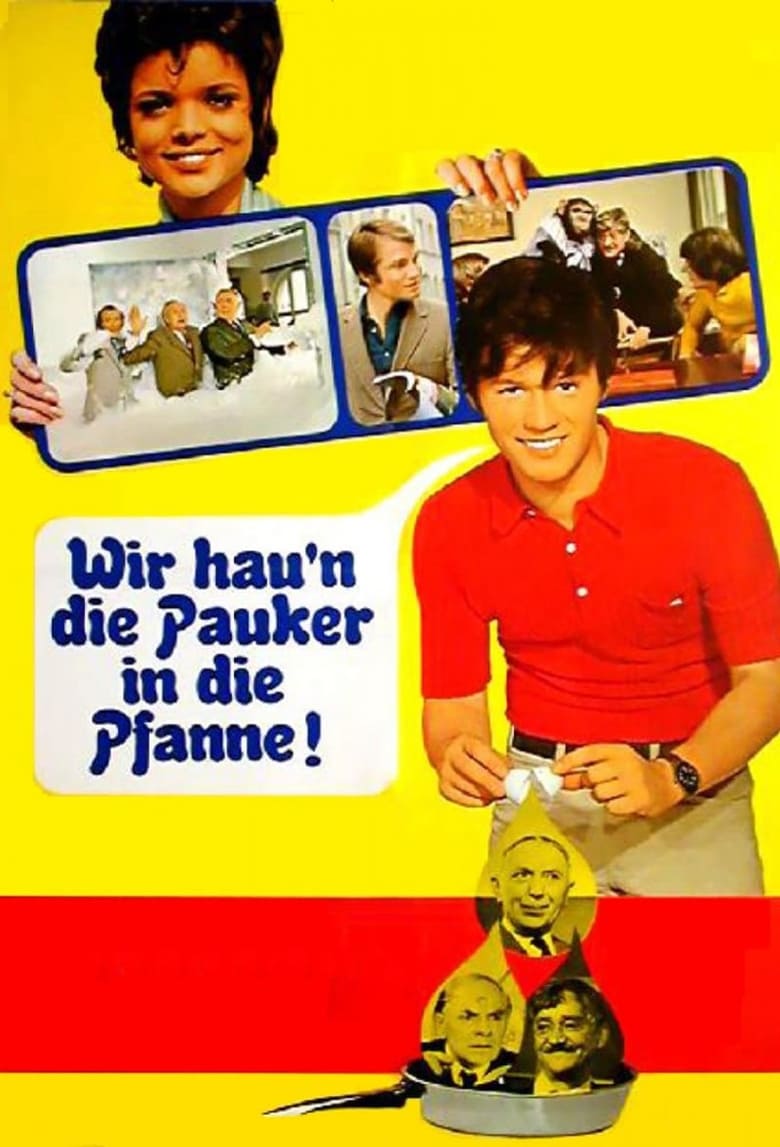
1970
Director
Harald Reinl
Runtime
84 minutes
Average Rating
No ratings yetSynopsis
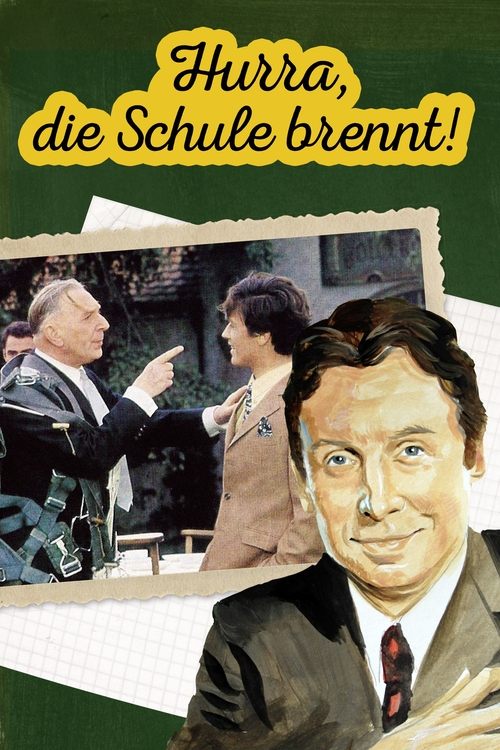
Principal Gottlieb Taft's twin brother Gotthold Taft partakes in the most recent prank by faking his death and promising a large inheritance to the Mommsen-Gymnasium and the principal. Of course, the inheritance is tied to many embarrassing conditions.
Overall Score
Limited
Category Breakdown
LGBTQ+ Representation
The film lacks any evidence of non-heteronormative identities. The plot centers on a fraternal deception between twin brothers within a conventional comedic framework.
Gender Representation
The narrative is heavily male-centric, focusing on the conflict between twin brothers and a male principal. There is no indication of non-traditional gender roles or the subversion of hierarchies.
Racial & Ethnic Diversity
The story appears to inhabit a homogeneous social setting typical of 1970 West German comedy. No diverse ethnic perspectives or race-bent casting are present in the school setting.
Religious & Cultural Diversity
The film offers a mild critique of rigid educational structures through the disruption of institutional authority. However, it relies on traditional tropes rather than explicit cultural or systemic critiques.
Disability Representation
There is no information available regarding the inclusion of characters with visible or invisible disabilities.
Strengths
Areas for Improvement
AI Analysis
Wir hau'n die Pauker in die Pfanne is a traditional German school comedy that prioritizes situational irony over social commentary. The plot revolves around a prank involving a fake death and a conditional inheritance, focusing on the disruption of institutional authority. The film adheres to the comedic conventions of its era, emphasizing classic plot devices. It does not attempt to deconstruct social hierarchies or address intersectional identities, resulting in a narrative that feels culturally homogeneous. Ultimately, the film functions as a genre-driven piece of entertainment. It lacks the depth required to engage with marginalized identities or systemic power dynamics, focusing instead on familial deception and slapstick potential.
1969
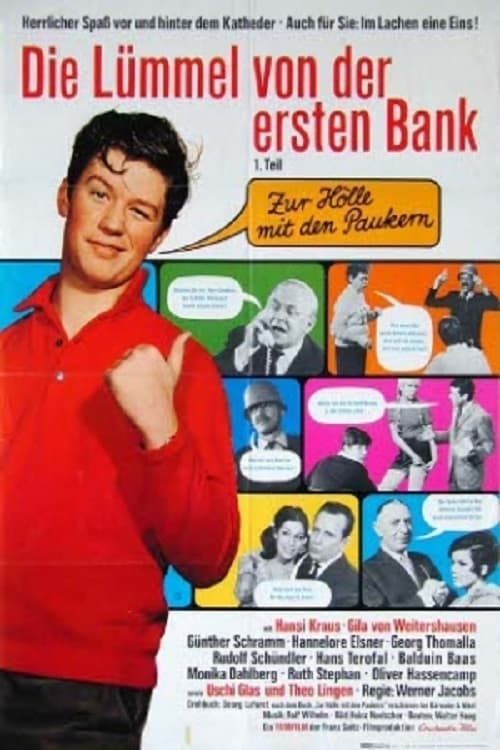
1968
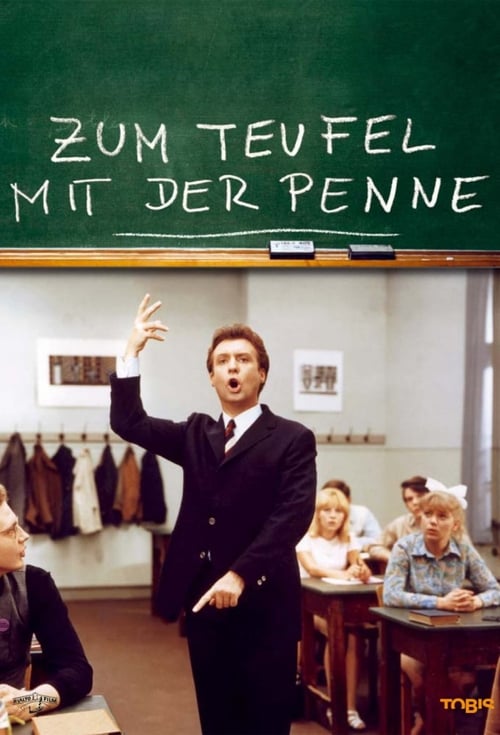
1968

1951
1950
1969
1970

1975
1958
1969

1982
1970
No reviews yet. Be the first to share your thoughts on this movie!
Use the rating form above to leave a star rating and optional review.