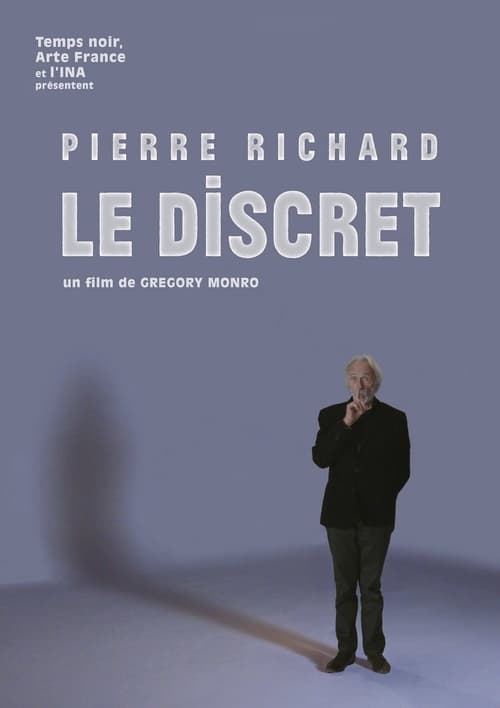
Pierre Richard, le discret
2018
No user ratings available yet
Representation score: 4.0 out of 10
Representation Score
Limited
2018
Director
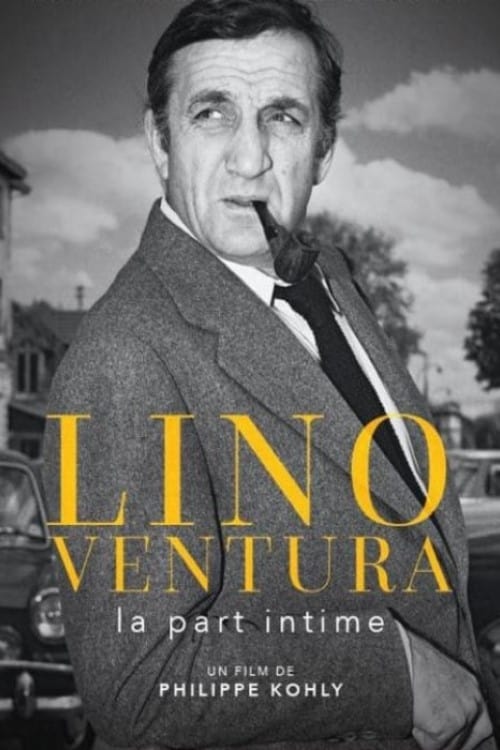
Philippe Kohly
Runtime
53 minutes
Average Rating
No ratings yetNew Showbiz Analysis
Lino Ventura, la part intime is a biographical documentary that explores the immigrant experience and challenges monolithic views of French cinema. By focusing on Lino Ventura's life, the film provides a critical perspective on mid-century xenophobia and social exclusion. However, the film's reliance on traditional masculine archetypes narrows its scope to a predominantly male-centric narrative. While it offers insights into ethnic identity and social integration, it fails to address LGBTQ+ identities and disability issues, limiting its overall diversity.
Category Breakdown
The documentary does not include any themes related to LGBTQ+ identities or non-traditional gender roles.
The film emphasizes traditional masculine roles such as the 'tough guy' and 'introverted loner.' It also highlights the influence of a single mother in Ventura's upbringing, showcasing women's ability to drive the story.
The documentary focuses on Ventura's journey from Italy to Paris, highlighting the challenges of immigration and social exclusion faced by ethnic minorities.
The film examines the struggles of social displacement and systemic prejudice, using Ventura's life to critique nationalist structures and the challenges of cultural assimilation.
There is no specific mention of physical or neurodivergent disabilities in the film's portrayal of Ventura's life.
Present on Screen
Limited or Absent
Official Synopsis
The fall of 2017 marked the 30th anniversary of Lino Ventura's death. Whether in the role of tough cops or tough guys - in the 1960s, Lino Ventura was one of the most popular French character actors. The new portrait begins with the actor's childhood. He came to Paris from Parma in Italy as a child with his single mother and faced many humiliations in a xenophobic environment. The documentary explores the man behind the rough exterior and the tough characters he embodied, most of whom were courageous but introverted loners.
2018
2008
2018
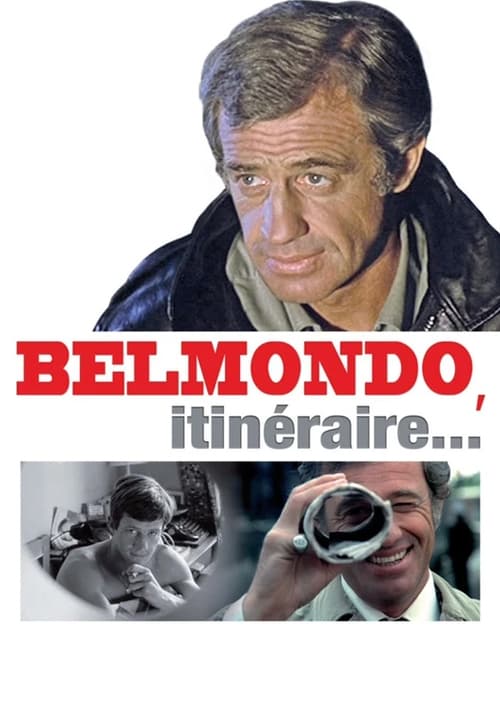
2011
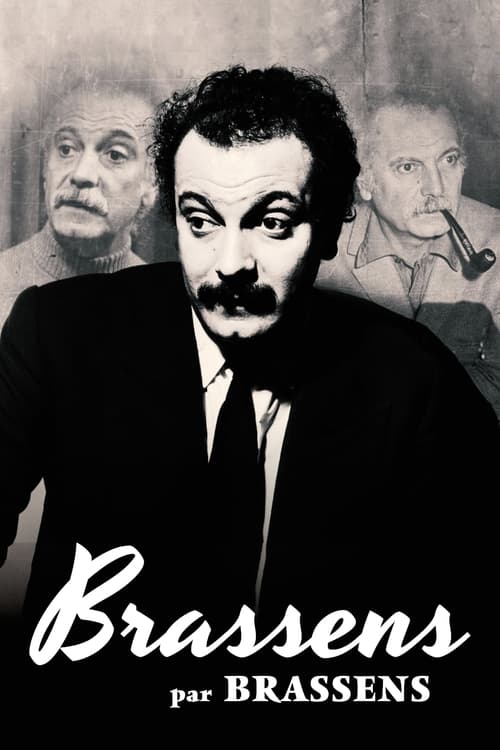
2020
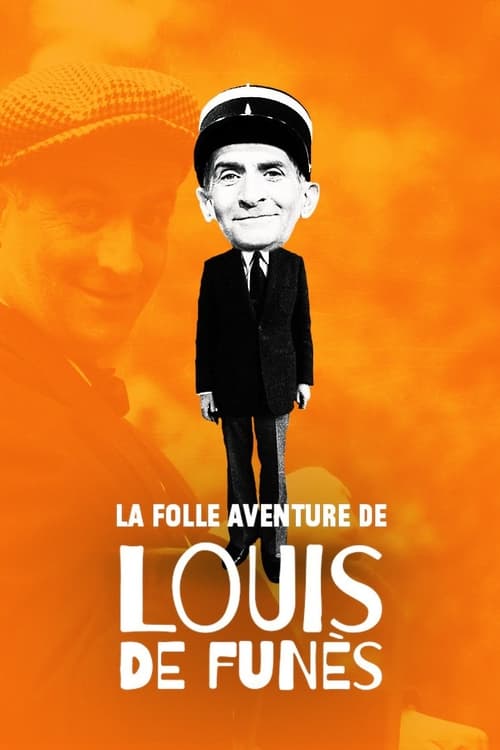
2020

2020
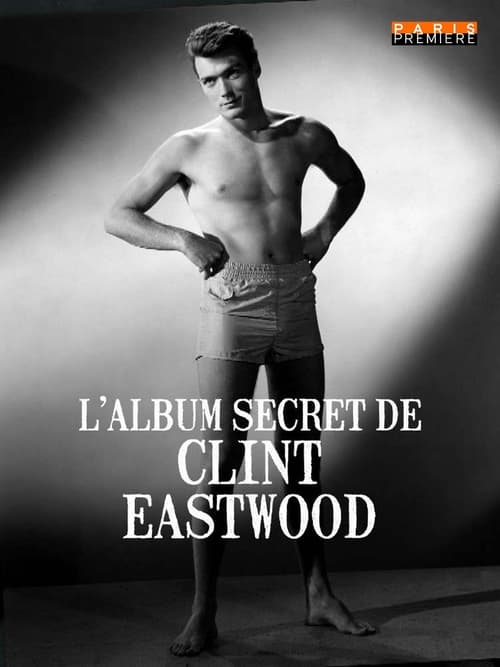
2012
No reviews yet. Be the first to share your thoughts on this movie!
Use the rating form above to leave a star rating and optional review.