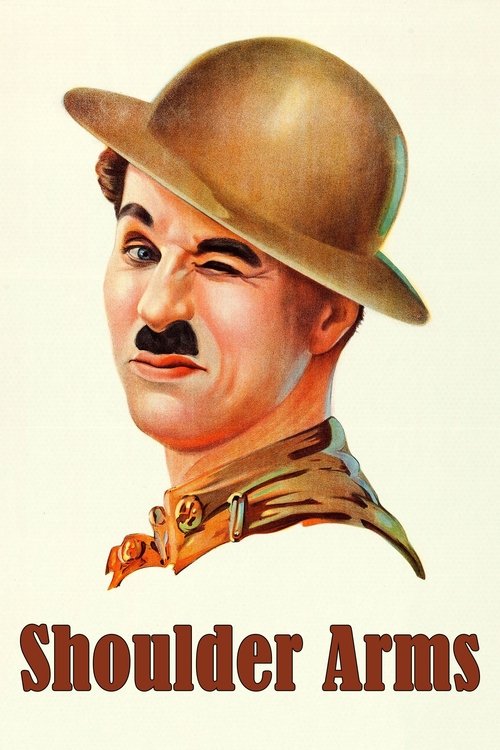
Shoulder Arms
1918
No user ratings available yet
Representation score: 1.6 out of 10
Representation Score
Minimal
1938
NRDirector
John G. Blystone
Runtime
57 minutes
Average Rating
No ratings yetNew Showbiz Analysis
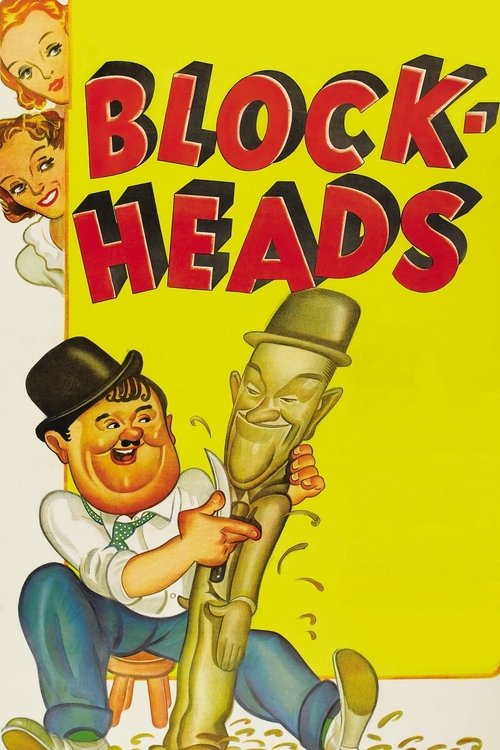
Block-Heads is a product of the Golden Age of Hollywood, prioritizing physical slapstick over social commentary. The narrative is built around the established comedic chemistry of Laurel and Hardy, which naturally limits the scope of the story to their specific dynamic. The film lacks intentionality regarding diverse representation. It functions as a vehicle for situational absurdity, utilizing a post-WWI setting to drive a plot of mistaken identity rather than exploring broader social or cultural complexities. Ultimately, the work reinforces the social hierarchies and gendered roles of 1938. It offers a narrow, character-driven experience that avoids any challenges to established norms.
Category Breakdown
The film focuses on the chaotic, platonic friendship between the two main characters. It operates within traditional 1930s social frameworks without exploring diverse sexual or gender identities.
This is a male-centric comedy driven entirely by the protagonists' delusions. The narrative lacks opportunities for women to take a leading role, focusing instead on a traditional male buddy-comedy dynamic.
While the setting includes a French aviator and backdrop, the focus remains on the Anglo-centric duo. It uses Western clichés rather than exploring ethnic diversity.
The story utilizes military service and national identity as a comedic backdrop. It adheres to conventional social norms without challenging Western institutions or secular themes.
There is no meaningful representation of physical or neurodivergent disabilities. The humor relies on slapstick incompetence rather than portraying actual disability or real influence.
Present on Screen
Limited or Absent
Official Synopsis
It's 1938, but Stan doesn't know the war is over; he's still patrolling the trenches in France, and shoots down a French aviator. Oliver sees his old chum's picture in the paper and goes to visit Stan who has now been returned to the States and invites him back to his home.
1918
1939
1933
1942

1979

1949
1930
1944
No reviews yet. Be the first to share your thoughts on this movie!
Use the rating form above to leave a star rating and optional review.