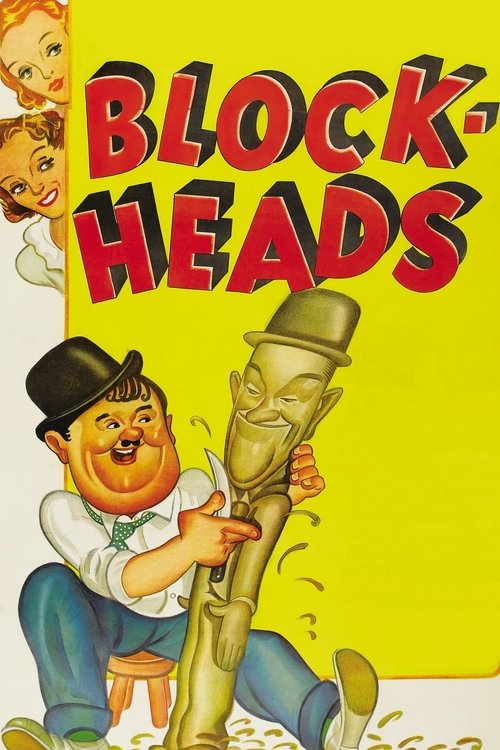
Block-Heads
1938
No user ratings available yet
Representation score: 0.5 out of 10
Representation Score
Minimal
1918
PassedDirector
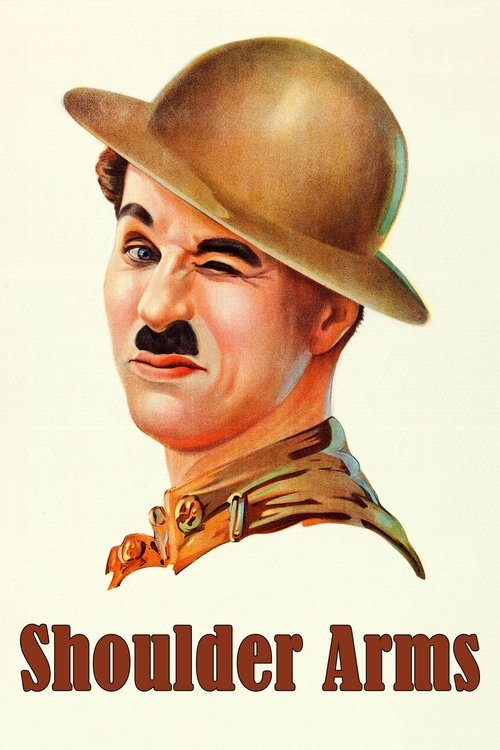
Charlie Chaplin
Runtime
36 minutes
Average Rating
No ratings yetNew Showbiz Analysis
Shoulder Arms is a product of its time, emphasizing physical comedy and established archetypes over diverse representation. Humor is derived from situational mishaps rather than social commentary. While Charlie Chaplin’s 'Little Tramp' character subtly disrupts traditional masculine authority through incompetence, this is primarily a comedic tool rather than a challenge to systemic power. The narrative remains narrowly focused on a specific demographic.
Category Breakdown
The film follows traditional romantic storylines where the protagonist pursues a female love interest using classic silent-era techniques. Comedic tension arises from these pursuits.
The dynamics revolve around traditional male-female interactions typical of early 20th-century slapstick comedy. While the film mocks military authority, it does not delve into the underlying gender hierarchies.
The cast is predominantly white, reflecting the social norms of 1918. There are no non-white characters or intentional racial diversity in the narrative.
The story highlights the chaotic nature of wartime military life. Chaplin’s mockery of strict drills serves as slapstick humor rather than a critique of Western institutions.
There are no characters with visible or invisible disabilities in the film. Disability is not used as a comedic or plot device.
Present on Screen
Limited or Absent
Official Synopsis
An American doughboy, stationed in France during the Great War, goes on a daring mission behind enemy lines and becomes a hero.
1938
1942
1940
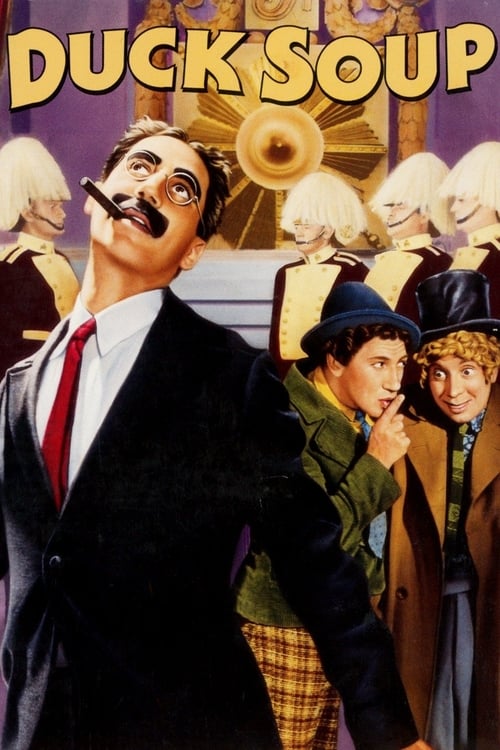
1933
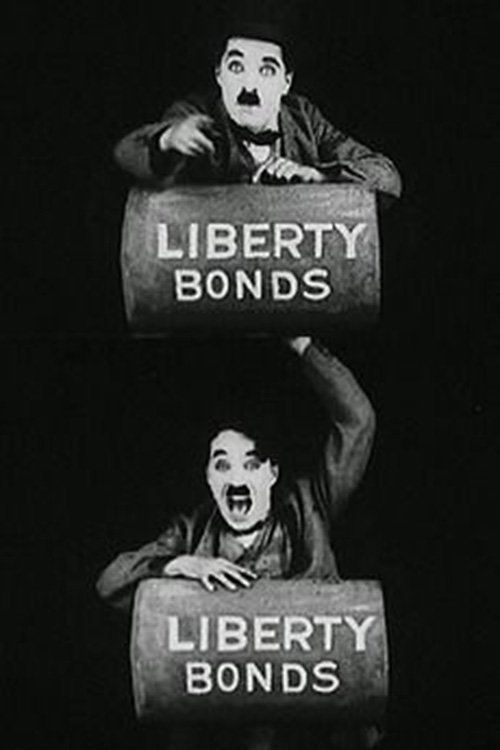
1918

1923
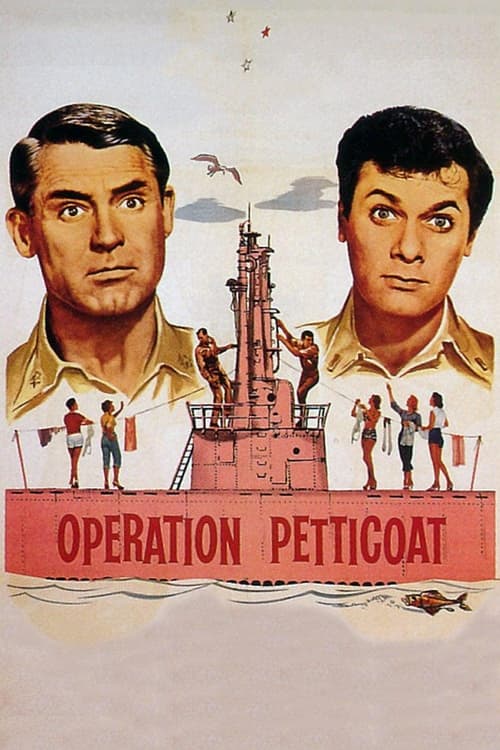
1959
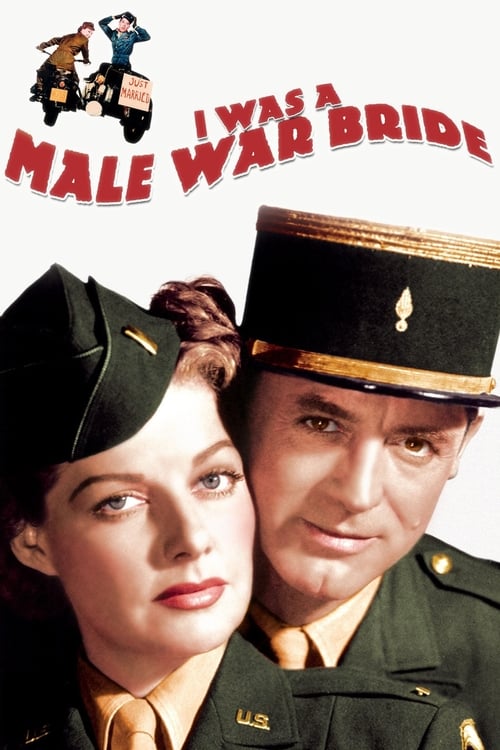
1949
No reviews yet. Be the first to share your thoughts on this movie!
Use the rating form above to leave a star rating and optional review.