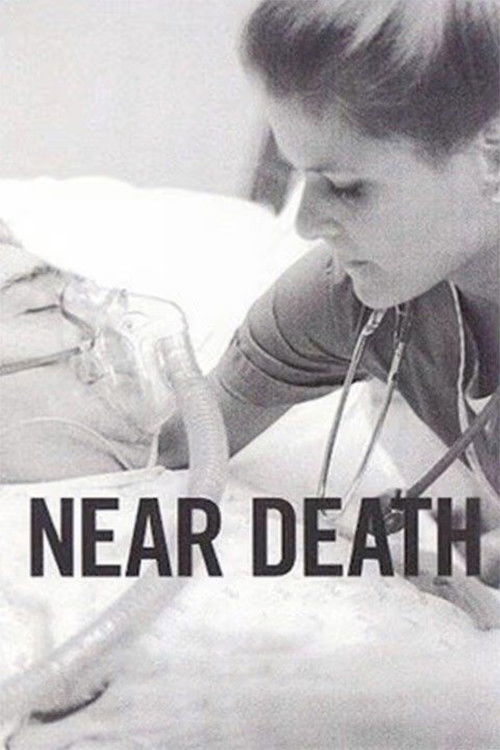
Near Death
1989
No user ratings available yet
Representation score: 7.4 out of 10
No Poster Available
Representation Score
Good
1966
Director
Evald Schorm
Runtime
32 minutes
Average Rating
No ratings yetNew Showbiz Analysis
Reflection is a philosophical exploration of mortality that centers on existential questions rather than demographic diversity. It examines the human condition within a medical context, emphasizing intellectual depth over identity-based storytelling. The film's low scores in race, gender, and LGBTQ+ representation stem from its specific historical and geographic context in Czechoslovakia. However, it stands out for its strong cultural stance, particularly its rejection of religious frameworks in favor of a secular, humanistic perspective. Ultimately, the film succeeds by treating physical vulnerability as a profound psychological issue rather than a subject of pity.
Category Breakdown
The film does not include any explicit LGBTQ+ characters or stories. Its main focus is on the universal experience of death, rather than exploring non-straight relationships.
Women are shown mainly as nurses and medical staff. The film does not challenge traditional gender roles or stereotypes.
The setting reflects the homogeneous population of 1960s Czechoslovakia. There is no racial or ethnic diversity among the cast members.
The film highlights humanistic atheism and rejects religious sentiment. It emphasizes a secular perspective and critiques established social structures.
The film focuses on the psychological impact of physical vulnerability rather than using illness as a plot device. It portrays patients dealing with existential crises.
Present on Screen
Limited or Absent
Official Synopsis
A leading director of the Czech film renaissance provides a philosophical meditation on life and death, set amidst complex hospital apparatus and the sadness, hope, or resignation of the patients. Existentialist rather than optimist, the approach is one of humanistic atheism, accepting death as part of life. Interviews with doctors and nurses explore their outlook; all speak of death as a fact, without either sentimentality or religiosity. The studied objectivity of the film only imperfectly hides an intense emotionality.
1989
1978
1974

1961
1977

2011

2003

2020
No reviews yet. Be the first to share your thoughts on this movie!
Use the rating form above to leave a star rating and optional review.