
Extremis
2016
No user ratings available yet
Representation score: 8.4 out of 10
Representation Score
Good
1989
Director
Frederick Wiseman
Runtime
358 minutes
Average Rating
No ratings yetNew Showbiz Analysis
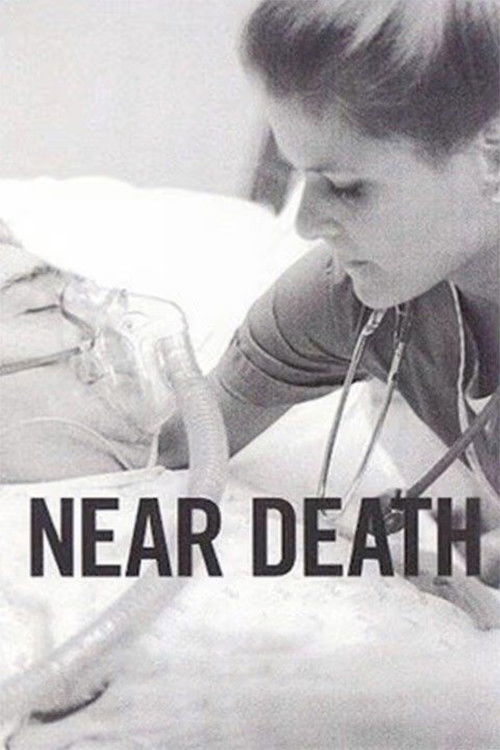
Frederick Wiseman’s *Near Death* functions as a profound institutional study of the medical-industrial complex. It deconstructs how authority manages the transition between life and death, highlighting the tension between clinical efficiency and individual autonomy. The film excels in its critique of Western institutional power, framing the hospital as a site of systemic ethical conflict rather than just a place of healing. It avoids the pitfalls of sentimentalizing vulnerability, opting instead for a nuanced, observational approach to human crisis. While the documentary does not lean heavily into identity politics or explicit demographic representation, it achieves progressive value through its deconstruction of authority and its embrace of moral complexity.
Category Breakdown
The film does not focus on LGBTQ+ identities or stories that challenge traditional heterosexual relationships. Instead, it focuses on clinical and ethical issues in healthcare.
Women in nursing and specialized medical roles have significant influence and expertise. However, high-level decision-making often stays within traditional medical leadership structures.
The film captures a diverse urban medical environment in Boston. The focus on institutional procedures sometimes obscures specific racial identities.
The film portrays the medical establishment as a complex bureaucracy managing life through systemic frameworks. It promotes secularism and situational ethics over religious dogma.
The documentary provides a raw look at physical disabilities and acute medical crises. It avoids sentimentality, treating patients' conditions with clinical gravity and respect.
Present on Screen
Limited or Absent
Official Synopsis
A film about the Medical Intensive Care Unit at Boston's Beth Israel Hospital. The film is concerned with how people face death. More specifically the film presents the complex interrelationships among patients, families, doctors, nurses, hospital staff and religious advisors as they confront the personal, ethical, medical, psychological, religious and legal issues involved in making decisions about whether or not to give life-sustaining treatment to dying patients.
2016
1978

1970

2011
2003
2020

2003
2010
No reviews yet. Be the first to share your thoughts on this movie!
Use the rating form above to leave a star rating and optional review.