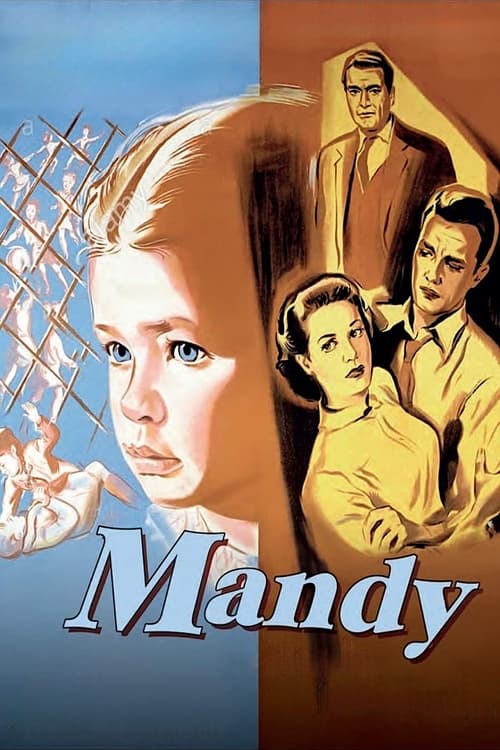
Mandy
1952
No user ratings available yet
Representation score: 1.9 out of 10

Representation Score
Fair
1948
NRDirector
Jean Negulesco
Runtime
102 minutes
Average Rating
No ratings yetNew Showbiz Analysis
Johnny Belinda stands out for its progressive treatment of sensory disability. By centering the narrative on Belinda’s lived experience and ability to act, the film avoids reductive archetypes and provides a dignified portrayal of deafness. While the film excels in disability representation, it lacks multi-layered breadth. The setting is racially homogenous, and there is no representation of LGBTQ+ identities, which limits the scope of its social critique. Ultimately, the film is a character study of non-conformity. It challenges the oppressive nature of social conformity and prioritizes the emotional reality of its underrepresented protagonist.
Category Breakdown
The film contains no discernible LGBTQ+ characters or narratives. The central romantic tension is framed within the conventional social structures of the 1940s.
Belinda disrupts traditional hierarchies through her intellectual and emotional resilience. The story emphasizes her autonomy and inner life, positioning her survival as a triumph of will against a dismissive environment.
Set in a homogenous rural community, the film features a predominantly white cast. It lacks intentional racial diversity, reflecting the demographic constraints and cinematic norms of 1948.
The narrative critiques small-town social cohesion by portraying collective judgment as a source of systemic cruelty. It deconstructs the idea of a stable community by revealing it as a site of exclusion.
The portrayal of deafness is nuanced and avoids common stereotypes. Belinda is depicted with high ability to act, making her disability a lived reality rather than a mere plot device for others.
Present on Screen
Limited or Absent
Official Synopsis
A small-town doctor helps a deaf-mute farm girl learn to communicate.
1952
1939
1968
1965
1957
1965

2017
1948
No reviews yet. Be the first to share your thoughts on this movie!
Use the rating form above to leave a star rating and optional review.