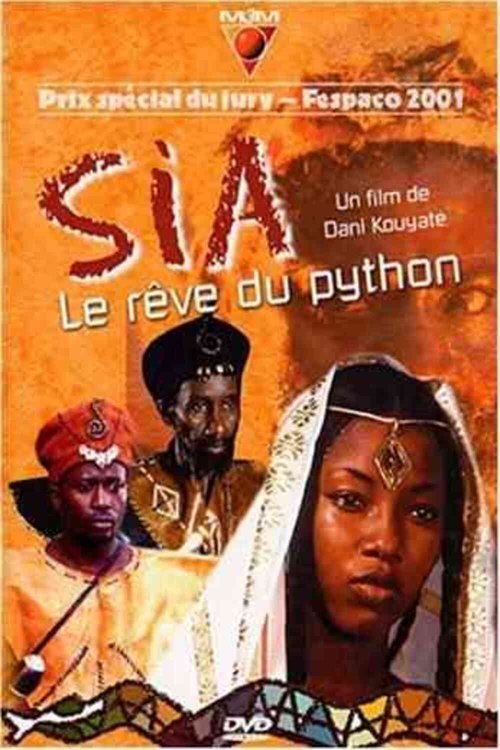
Sia, the Myth of the Python
2001
No user ratings available yet
Representation score: 3.9 out of 10
No Poster Available
Representation Score
Limited
1980
Director
Oumarou Ganda
Runtime
90 minutes
Average Rating
No ratings yetNew Showbiz Analysis
Oumarou Ganda’s film is a strong example of reclaiming a post-colonial narrative. By using a traditional African folktale, it challenges Western cinematic perspectives and highlights an authentic Sahelian experience. The film stands out for its racial and cultural authenticity, giving significant roles to characters within their own cultural context. It also offers a critique of the systemic pressures of modernity and colonial influence. Despite its rich cultural elements, the film upholds traditional gender hierarchies. It focuses on established social structures without challenging them, limiting its progressive stance on gender representation.
Category Breakdown
The film does not include any LGBTQ+ characters or stories. Instead, it focuses on traditional family and marriage structures.
Women play important roles during crises, such as saving their husbands. However, the film maintains traditional patriarchal structures and hierarchies.
The film features an all-African cast and sets the story within a local context, avoiding the perspective of Western filmmakers.
The film examines the tension between traditional customs and modern influences. It critiques the impact of Western institutions and capitalism on local traditions.
There is no information about the portrayal of physical or neurodivergent disabilities in the film.
Present on Screen
Limited or Absent
Official Synopsis
Based on a traditional African tale. A king has the habit whilst walking in disguise on the streets of his kingdom to listen to the wishes of his own people. One day he overhears two brothers daydreaming out loud about marrying the king's daughters, even if that meant being beheaded one year later. The weddings take place and one of the brother is decapitated one year later. The other one escapes execution at his wife's insistence. On a long journey full of surprising incidents, our hero himself becomes king of a village with wives and subjects. However, his earlier promise haunts him, and in order to save his family he accepts to be sacrificed.
2001

1962
1973

1983
1971
2017
1996

1981
No reviews yet. Be the first to share your thoughts on this movie!
Use the rating form above to leave a star rating and optional review.