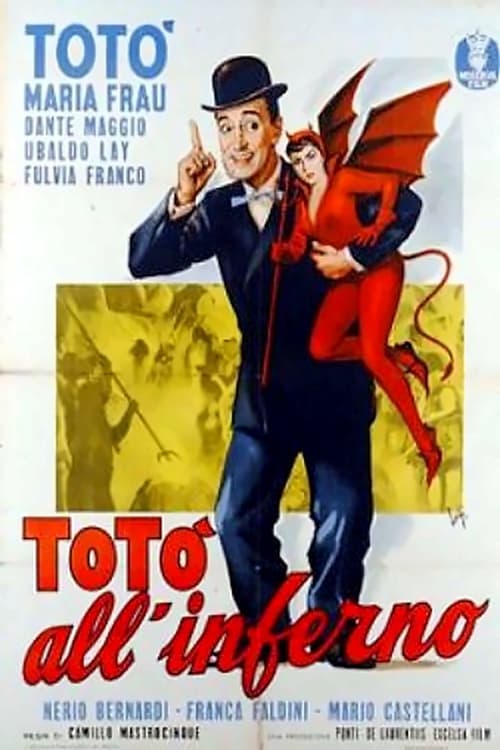
Totò all'inferno
1955
No user ratings available yet
Representation score: 3.4 out of 10
Representation Score
Limited
1978
Director
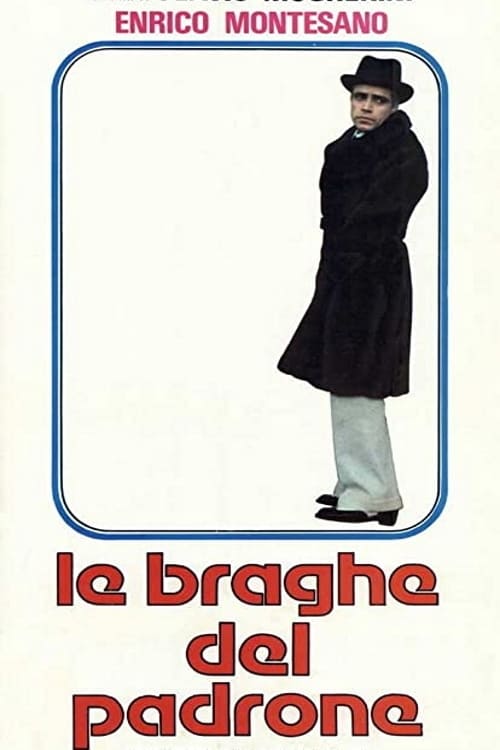
Flavio Mogherini
Runtime
95 minutes
Average Rating
No ratings yetNew Showbiz Analysis
Flavio Mogherini’s satire effectively deconstructs class hierarchies and aristocratic authority. By using comedic deception, the film empowers lower socioeconomic strata and challenges traditional social structures. However, the work is limited by the era's demographic and social norms. It lacks depth in addressing racial diversity and LGBTQ+ identities, which remain within conventional comedic formulas. Ultimately, the film is a sophisticated critique of systemic inequality and class stability, even if it does not address modern markers of identity.
Category Breakdown
The film focuses on heterosexual relationships and sexual behavior, lacking significant representation of LGBTQ+ identities or perspectives that question traditional norms.
The narrative explores power dynamics through master-servant relationships. Female characters occasionally challenge patriarchal norms, but the story remains tied to period archetypes.
The story reflects the homogeneous demographics of its European setting. There is no evidence of racial diversity or non-white casting used to challenge historical norms.
The film excels at critiquing Western aristocracy and inherited privilege. It uses absurdity to deconstruct the perceived moral superiority of the ruling class and systemic inequality.
There is no significant evidence regarding the portrayal of physical or neurodivergent disabilities within the narrative.
Present on Screen
Limited or Absent
Official Synopsis
The young Vittorio Pieroni throws himself from a railway overpass when a train is passing by; escaped suicide and rescued by an ambulance, remembers the circumstances that led him to commit that gesture
1955
1981
1971

1980
1964
1975
1983
1982
No reviews yet. Be the first to share your thoughts on this movie!
Use the rating form above to leave a star rating and optional review.