
La solita commedia: Inferno
2015
No user ratings available yet
Representation score: 3.1 out of 10
Representation Score
Limited
1955
Director
Camillo Mastrocinque
Runtime
88 minutes
Average Rating
No ratings yetNew Showbiz Analysis
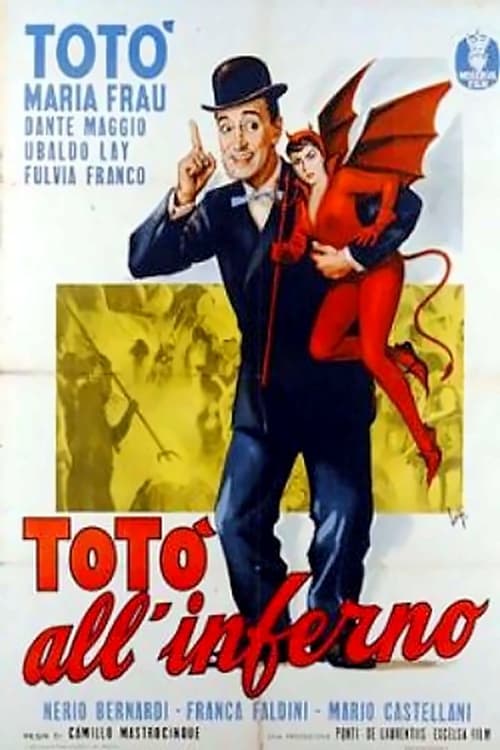
Totò all'inferno is a product of its historical context, marked by traditional casting and rigid social structures. The film centers on a single male journey through a surreal afterlife, offering limited opportunities for diverse perspectives. While it lacks contemporary representation, it subtly critiques institutional religious authority through satire and moral relativism. Ultimately, it is a localized comedy that prioritizes character-driven humor over broader social commentary.
Category Breakdown
The film does not include any characters with non-binary gender identities or LGBTQ+ themes. It adheres closely to the social norms of 1955 Italy.
The male protagonist, Totò, dominates the narrative who play a significant role in driving the story. Female characters have limited roles and do not hold positions of intellectual or social influence, reflecting the traditional gender hierarchies of the time.
The cast is predominantly made up of actors from similar backgrounds, reflecting the domestic production context of 1950s Italy. There is no indication of intentional racial diversity in this localized setting.
The film employs religious imagery to mock divine judgment. By depicting the afterlife as a bureaucratic absurdity, it presents a secular perspective that questions traditional religious institutions.
The storyline revolves around the protagonist's depression and suicidal thoughts, which serve as comedic triggers. However, these mental health issues are used primarily as plot devices rather than as nuanced explorations of neurodivergence.
Present on Screen
Limited or Absent
Official Synopsis
After several attempts at suicide, depressed thief Antonio Marchi accidentally drowns in a river and ends up in hell.
2015

1980
1968
1983
1964
1978
1967
1967
No reviews yet. Be the first to share your thoughts on this movie!
Use the rating form above to leave a star rating and optional review.