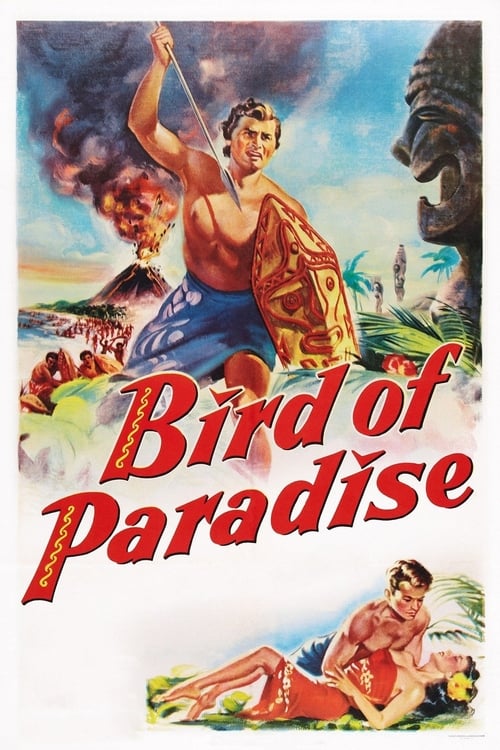
Bird of Paradise
1951
No user ratings available yet
Representation score: 1.0 out of 10

Representation Score
Minimal
1953
NRDirector
Mark Robson
Runtime
100 minutes
Average Rating
No ratings yetNew Showbiz Analysis
Return to Paradise is a mid-century melodrama that focuses on Western psychological conflict over indigenous ability to act. The story uses its Polynesian setting primarily as a stage for a traditional moral struggle between a drifter and a missionary. The film adheres to the social norms of its era, reinforcing conventional gender roles and a colonialist worldview. Indigenous characters lack complex arcs and function as passive elements within a Western-centric story. Ultimately, the film reinforces 1950s social hierarchies rather than challenging them. It lacks diversity in identity, ability to act, and cultural perspective.
Category Breakdown
The film follows traditional norms and does not include any representations of LGBTQ+ identities or narratives that challenge conventional romantic dynamics.
Gender roles in the film reflect those of the mid-20th century. The female lead experiences personal conflict but her actions remain closely tied to her relationship with the male protagonist.
The film presents a colonialist perspective where the Polynesian setting is used primarily as an exotic backdrop for a predominantly white cast, with no significant roles for indigenous characters.
The narrative emphasizes Western institutional values through its central conflict, treating the existing social and religious order as a baseline for the protagonist's moral journey.
There are no prominent depictions of physical or neurodivergent disabilities that serve as significant character elements or drive the narrative forward.
Present on Screen
Limited or Absent
Official Synopsis
An American drifter comes to a remote Polynesian island controlled by a Puritanical missionary and turns the social life of the island upside-down.
1951
1962
1964

1950
1968

1932

1920
1955
No reviews yet. Be the first to share your thoughts on this movie!
Use the rating form above to leave a star rating and optional review.