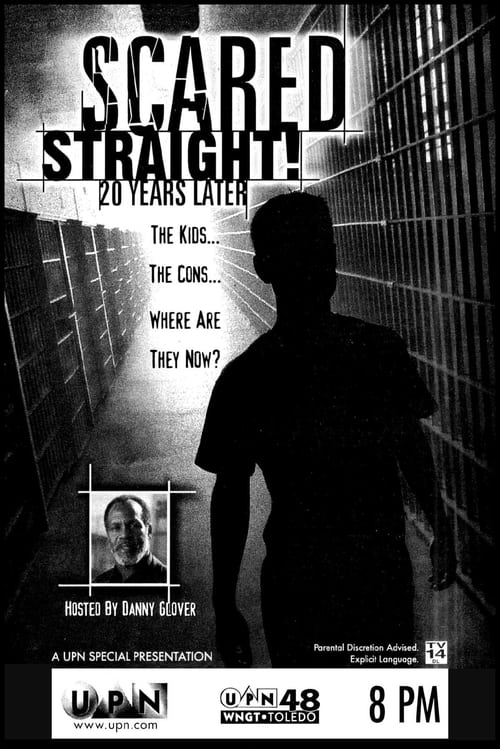
Scared Straight!: 10 Years Later
1987
No user ratings available yet
Representation score: 2.1 out of 10
Representation Score
Minimal
1999
Not RatedDirector
Arnold Shapiro
Runtime
95 minutes
Average Rating
No ratings yetNew Showbiz Analysis
The documentary serves as a longitudinal study of a correctional intervention, prioritizing traditional social stability and law enforcement. While it offers significant visibility for Black and Hispanic communities, it does so within a narrow, male-dominated framework. The film lacks depth in representing multiple aspects of identity, failing to include LGBTQ+ identities or any significant female presence. This reinforces existing social hierarchies without challenging them. Ultimately, the work is a traditionalist study of deterrence. It succeeds in reflecting specific racial demographics but fails to represent a broad spectrum of human identity or diverse social perspectives.
Category Breakdown
The documentary does not include any focus on LGBTQ+ identities. The narrative is solely centered on the sociological impact of the program on male participants.
The film heavily relies on traditional masculine archetypes. It is almost entirely populated by men, lacking meaningful roles for women or challenges to gender hierarchies.
Black and Hispanic populations are meaningfully represented, providing a nuanced look at racial demographics within the justice system. This focus reflects the demographic realities of urban environments.
The narrative aligns with traditional Western institutional values and state authority. It frames criminal behavior as a deviation from the social contract, emphasizing the need for correction.
There is no evidence of characters with visible or invisible disabilities. The focus remains on socioeconomic and behavioral variables rather than neurodivergence or physical disability.
Present on Screen
Limited or Absent
Official Synopsis
Adults meet up with the people who changed their lives twenty years ago by confronting them about their lifestyles as teenagers.
1987

2020
1978
2000
1964
2012

2009

1991
No reviews yet. Be the first to share your thoughts on this movie!
Use the rating form above to leave a star rating and optional review.