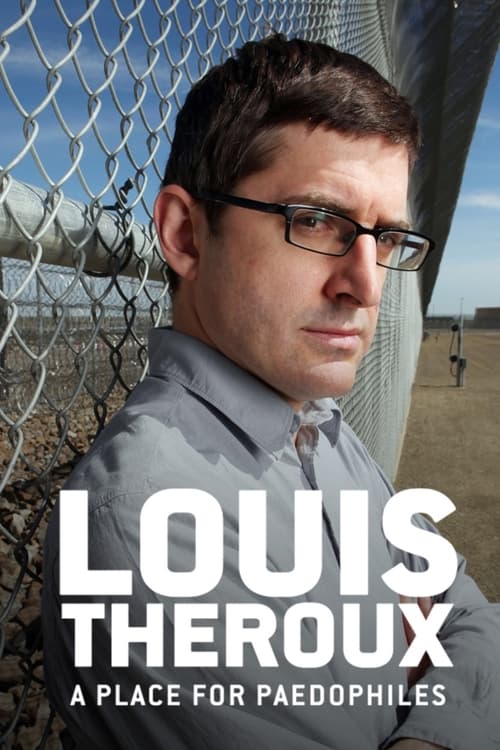
Louis Theroux: A Place for Paedophiles
2009
No user ratings available yet
Representation score: 5.1 out of 10
Representation Score
Limited
2014
Director
Rudolph Herzog, Steve Humphries
Runtime
60 minutes
Average Rating
No ratings yetNew Showbiz Analysis
The documentary functions as a sociological critique of institutional failure rather than a study of identity-based representation. It prioritizes a clinical, policy-oriented framework to examine how society manages issues related to sexual behavior and child protection. While the film lacks LGBTQ+ or racial diversity, it achieves a higher score in cultural representation by disrupting conventional moral absolutism. It replaces traditional emotional reactions with a secular, systemic approach to human behavior. Gender representation is moderate, anchored by the academic authority of female experts. The film's focus on psychological intervention also provides a nuanced, if limited, engagement with neurodivergence and mental health.
Category Breakdown
The documentary focuses on issues related to sexual behavior and legal protections for minors. It does not include any representation of LGBTQ+ identities or critiques of the assumption that everyone is straight or cisgender.
Senior Lecturer Sarah Goode serves as a key intellectual driver for the film's solutions. Her presence provides moderate professional representation for women within the investigative framework.
The film's demographic breadth remains unconfirmed. There is insufficient information regarding the racial or ethnic composition of the cast or interviewees.
The film challenges traditional Western moral condemnation by advocating for clinical treatment over punitive reactions. It adopts a secular, policy-driven methodology to manage social taboos.
The narrative engages with neurodivergence and psychological conditions by framing behavior through medical necessity. However, it lacks evidence of characters with disabilities taking control over their lives.
Present on Screen
Limited or Absent
Official Synopsis
Historian Steve Humphries examines failures in policies and legislation put in place to protect youngsters from sexual abuse, and discovers radical new solutions proposed by an increasing number of child-protection experts, which challenge deep-rooted attitudes and emotional reactions to paedophiles. Senior lecturer Sarah Goode believes the most promising way to reduce the number of child-abuse cases is to encourage people to seek treatment before they target victims. Her theory is supported by an interview in this programme in which Humphries meets a man who makes an extraordinary confession on camera.
2009

2006
2016

1998
2019
2019

2020
2010
No reviews yet. Be the first to share your thoughts on this movie!
Use the rating form above to leave a star rating and optional review.