
Age 7 in America
1991
No user ratings available yet
Representation score: 6.0 out of 10
Representation Score
Minimal
1964
Director
Paul Almond
Runtime
40 minutes
Average Rating
No ratings yetNew Showbiz Analysis
Seven Up! serves as a sociological mirror of 1964 Britain, prioritizing empirical observation over narrative intervention. It captures a cross-section of socioeconomic classes, offering a longitudinal look at how different backgrounds influence development. However, the film is limited by the demographic realities of the era. It reflects the traditional social hierarchies and homogeneous racial makeup of the mid-20th century without attempting to challenge these norms. Ultimately, the work functions as a historical document rather than a tool for progressive representation. It captures the organic social conditioning of its time rather than promoting multi-layered identity politics.
Category Breakdown
The documentary focuses on childhood development in 1964. It does not depict any non-binary gender identities or same-sex relationships.
The film observes children within the traditional social frameworks of the era. It reflects the conventional gender roles and social conditioning of the mid-1960s.
The cast is largely uniform, reflecting the demographic composition of the UK in 1964. It lacks the diverse racial representation seen in modern media.
The film depicts family units and educational institutions as standard social pillars. It adheres to the traditional social structures of the mid-20th century.
There is no evidence of neurodivergence or physical disabilities being portrayed as central character arcs within the work.
Present on Screen
Limited or Absent
Official Synopsis
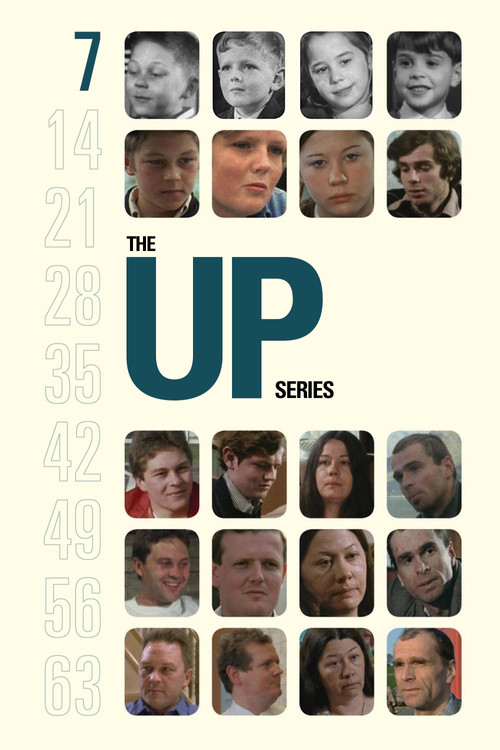
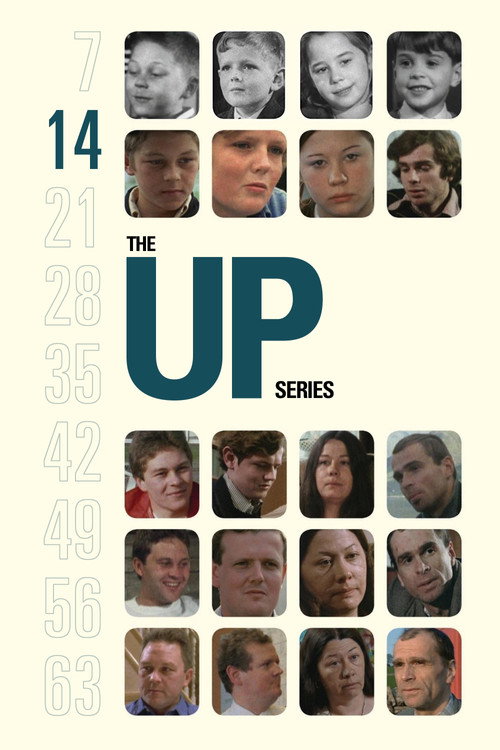
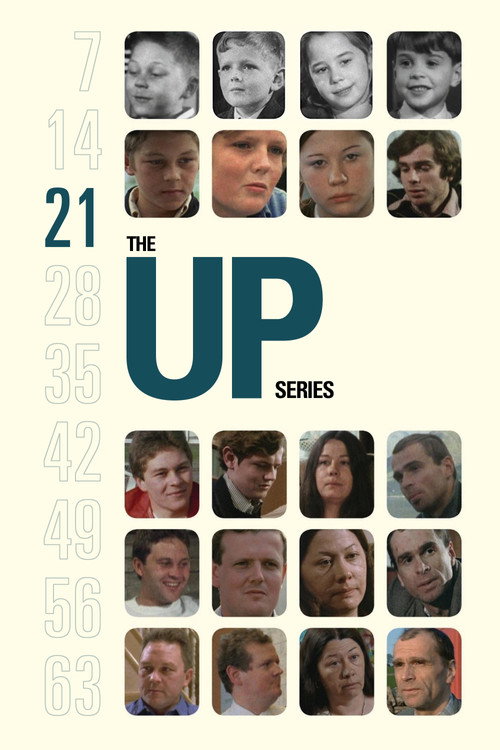
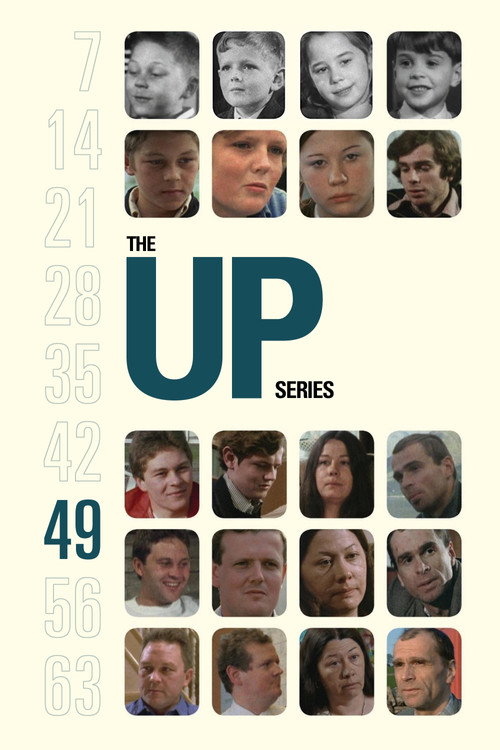
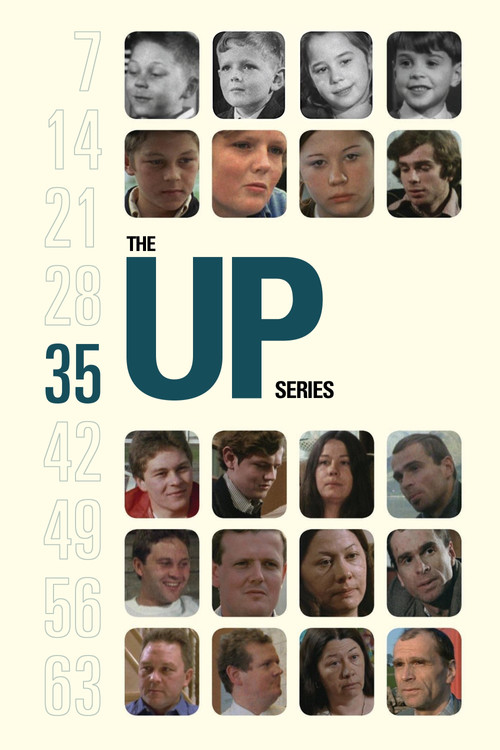
A group of British children aged 7 from widely ranging backgrounds are interviewed about a range of subjects. The filmmakers plan to re-interview them at 7 year intervals to track how their lives and attitudes change as they age.
1991
1999

1979
1970
1977

1970
2006
1991
No reviews yet. Be the first to share your thoughts on this movie!
Use the rating form above to leave a star rating and optional review.