
Death Day
1934
No user ratings available yet
Representation score: 5.7 out of 10
Representation Score
Good
1931
Director
Sergei Eisenstein
Runtime
12 minutes
Average Rating
No ratings yetNew Showbiz Analysis
Sergei Eisenstein’s involvement suggests an intentional, socio-political approach to documenting the 1931 Oaxaca earthquake. The film serves as a vital historical record that centers a Mexican population rather than a Western one. The documentary excels in ethnic and cultural representation by highlighting the ability to act of local communities facing systemic devastation. It moves beyond mere observation to analyze social structures through the lens of a natural disaster. However, the non-narrative nature of the footage limits representation in other areas. While it captures the reality of physical disability and the active participation of women, it lacks the character-driven depth needed for nuanced LGBTQ+ or gender-specific storytelling.
Category Breakdown
The documentary focuses on the immediate aftermath of a natural disaster. There are no specific character arcs or explorations of LGBTQ+ identities present.
The footage shows women actively participating in recovery and survival efforts. This portrayal contrasts with the passive or domestic roles women often play in 1930s fiction.
The film centers indigenous and local Mexican communities during a catastrophe. This focus challenges the Eurocentric perspective common in early 20th-century cinema.
The work captures the collective experience of a non-Western community through social realism. It highlights the systemic vulnerabilities and collapsing local structures.
The footage provides a visceral look at physical trauma and impairment caused by the earthquake. It avoids sanitized depictions often found in period dramas.
Present on Screen
Limited or Absent
Official Synopsis
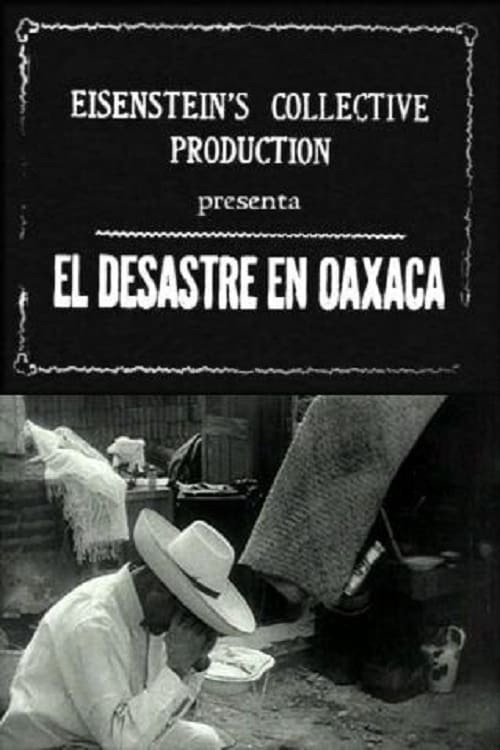
Footage of the aftermath of the January 14 1931 earthquake in Oaxaca, Mexico.
1934

1929
1932

1928

2018
1906
1906

1964
No reviews yet. Be the first to share your thoughts on this movie!
Use the rating form above to leave a star rating and optional review.