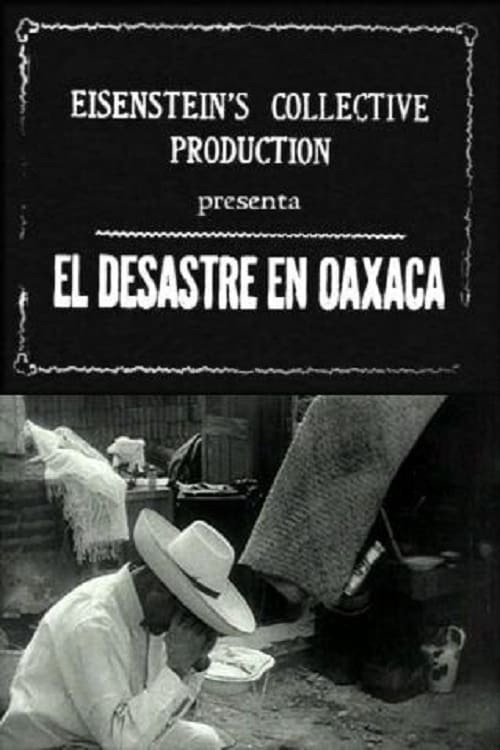
The Disaster in Oaxaca
1931
No user ratings available yet
Representation score: 6.3 out of 10
Representation Score
Good
2018
Director
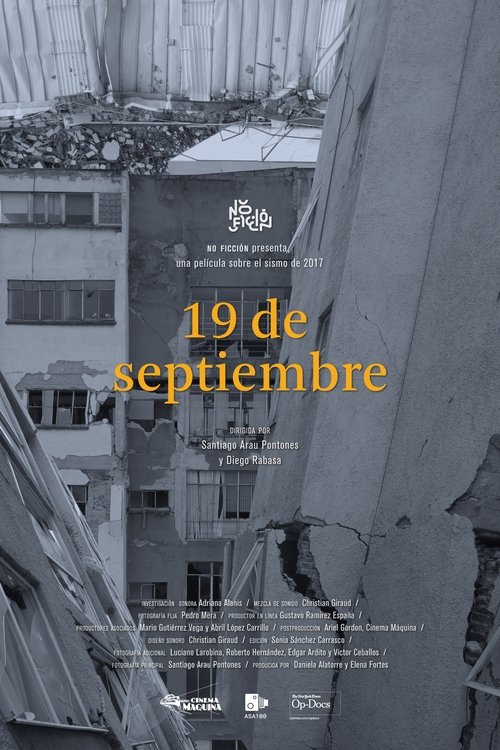
Diego Rabasa, Santiago Arau Pontones
Runtime
13 minutes
Average Rating
No ratings yetNew Showbiz Analysis
Ruptured City succeeds as an observational documentary that avoids polished, Westernized disaster clichés. By centering the 2017 Mexico City earthquake, it provides a vital platform for the lived experiences of a non-Western population navigating systemic instability. The film's strength lies in its cultural authenticity and its focus on collective survival. It moves away from individualistic hero narratives to explore the raw, chaotic reality of a community in crisis. However, the documentary remains largely neutral regarding specific identity-driven narratives. While it captures the physical realities of disability and diverse voices, it lacks explicit focus on gendered roles or LGBTQ+ representation.
Category Breakdown
The documentary focuses on the macro-event of the earthquake rather than specific character arcs. There is no evidence of narratives addressing straight-centered relationships or LGBTQ+ identities.
The film utilizes survivor accounts and journalistic chronicles to provide a platform for diverse voices. However, it lacks specific evidence regarding the roles of women and men in the depicted events.
By centering on the Mexican populace, the film disrupts Western-centric disaster reporting. The narrative inherently prioritizes a non-Anglo-Saxon population through local accounts and geographic setting.
The film explores the fragility of urban institutions through a secular, community-focused lens. It avoids traditional religious exceptionalism in favor of a collective, subjective experience of crisis.
The documentary captures the physical vulnerabilities and sudden impairments caused by the disaster. It provides a realistic, non-idealized view of the physical realities of trauma and rescue.
Present on Screen
Limited or Absent
Official Synopsis
Filmed mostly with drones, this short film shows what happened before, during and after the devastating earthquake that struck Mexico City in September 19, 2017. Through sound recordings of the rescue operations, accounts from survivors and journalistic chronicles, this film reflects the uncertainty and bewilderment caused by the quake.
1931

2013
2019
2016
2016
2002
2013
2012
No reviews yet. Be the first to share your thoughts on this movie!
Use the rating form above to leave a star rating and optional review.