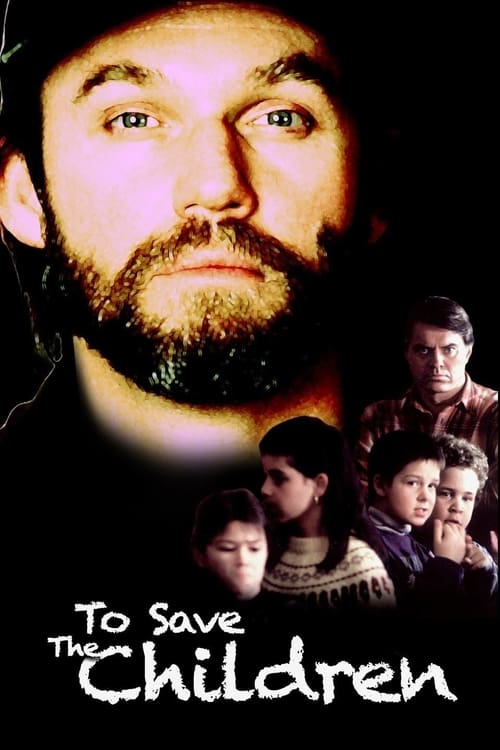
To Save the Children
1994
No user ratings available yet
Representation score: 2.3 out of 10

Representation Score
Fair
1996
Not RatedDirector
Paul Schneider
Runtime
91 minutes
Average Rating
No ratings yetNew Showbiz Analysis
The film successfully provides meaningful roles to its diverse leads, especially through Marta Caldwell, who serves as a stabilizing force against a male antagonist. The inclusion of characters with disabilities adds layers of tension without being exploitative. However, the narrative stays within the bounds of typical thriller structures. While it avoids harmful stereotypes, it does not delve deeply enough into broader social or cultural issues to transcend a conventional survival drama. Ultimately, the film's diversity serves the plot functionally without delving into broader themes.
Category Breakdown
The film does not include any LGBTQ+ characters or explore non-straight identities. The plot centers around the survival of the passengers and the antagonist.
Marta Caldwell challenges traditional gender roles by serving as the calm, central leader during the crisis. Her role as a protector breaks the mold of passive female characters in thrillers.
The protagonist's Cuban heritage is integral to her identity and role in the story. This marks a departure from the predominantly white casts typical of 1990s thrillers.
The story touches on systemic issues through the antagonist's conflicts with the IRS. However, it frames these issues as individual criminal behavior rather than a broader critique of Western institutions.
Characters with special needs and those experiencing medical emergencies play active roles in the survival narrative. They are not sidelined as passive victims but are central to the tension.
Present on Screen
Limited or Absent
Official Synopsis
In Dade County, Florida, disgruntled taxpayer Harry Kee angrily protests a huge IRS bill by wiring up a box of explosives and hijacking a school bus full of special-needs children. Although the kids are terrified, Marta Caldwell, the bus' Cuban-born driver, remains calm and collected throughout the ordeal, not only helping her charges survive the crisis, but also providing comfort and support to a teacher's aide on the verge of a diabetic seizure. But while Marta keeps her head about her, the kidnapper grows more and more unhinged, and the police surround the hijacked bus, ready to shoot to kill if necessary.
1994

2015

1992

1991

2016

1998

1996

2009
No reviews yet. Be the first to share your thoughts on this movie!
Use the rating form above to leave a star rating and optional review.