
My Daughter Was Taken
2026
No user ratings available yet
Representation score: 1.1 out of 10
Representation Score
Fair
2019
TV-14Director
Nadeem Soumah
Runtime
91 minutes
Average Rating
No ratings yetNew Showbiz Analysis
Who Stole My Daughter? operates primarily as a genre-driven thriller emphasizing suspense and plot mechanics. While it features a strong female lead and addresses psychological trauma, it lacks broader social or multi-layered depth. The narrative adheres to traditional family structures and maternal archetypes, without evidence of diverse casting or subversion of social hierarchies. It prioritizes the mechanics of a kidnapping mystery over addressing broader social issues.
Category Breakdown
The film does not include any explicit LGBTQ+ characters or non-straight relationships, focusing instead on a traditional family structure centered around a maternal bond.
Janet serves as a central protagonist, showcasing female-driven tension and resilience. However, the narrative follows conventional maternal protection clichés.
There is no verifiable information about the racial or ethnic makeup of the cast or setting. The plot does not provide evidence of diverse casting or racial blending.
The themes center on the sanctity of the family unit and the restoration of parent-child bonds, following a standard thriller trajectory without exploring secularist or anti-Western narratives.
The film centers on psychological trauma through Katie, making her mental health challenges a primary driver of the plot. This gives meaningful ability to act to a character experiencing trauma.
Present on Screen
Limited or Absent
Official Synopsis
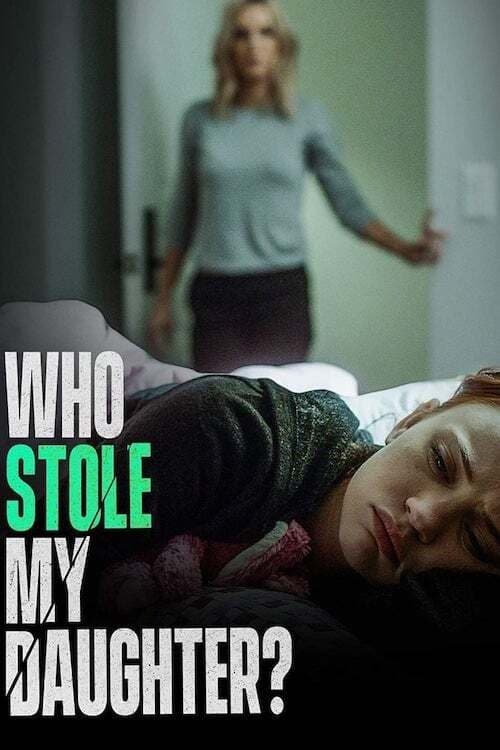
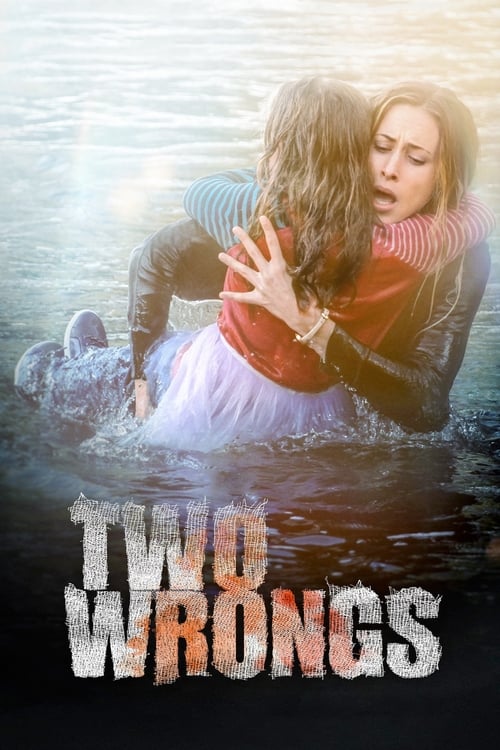
Five years later a 17-year-old Katie turns up at Janet's doorstep. The overwhelming joy is short lived, though, as Katie is suffering from severe trauma and unable to account for her absence. What's worse, after mysterious strangers begin following them, Janet becomes convinced the kidnappers have also returned for Katie.
2026
2015

2021
2012
2020

2014

2017
2015
No reviews yet. Be the first to share your thoughts on this movie!
Use the rating form above to leave a star rating and optional review.