Dying Room Only
1973
No user ratings available yet
Representation score: 0.8 out of 10
Representation Score
Minimal
1979
Director
Rainer Erler
Runtime
114 minutes
Average Rating
No ratings yetNew Showbiz Analysis
Spare Parts operates within a narrow demographic framework, featuring a predominantly white, male cast that aligns with the era's genre conventions. The lack of racial and LGBTQ+ diversity results in limited social representation. However, the film excels in its thematic subversion, challenging secretive government institutions and promoting individual moral decision-making. Ultimately, it focuses on institutional secrecy rather than social diversity, prioritizing a critique of systemic secrecy over broad representation.
Category Breakdown
The film does not include any LGBTQ+ characters or explore non-straight identities. There is no examination of queer themes or diverse sexual orientations.
The story centers around male characters and traditional masculine roles. Women play supporting roles but do not have significant influence over the main storyline.
The cast is mainly made up of white American males. The demographics reflect a homogeneous social setting typical of late-70s genre films.
The film criticizes Western institutional power by portraying state authority as secretive and controlling. It emphasizes personal morality over state laws.
There is no depiction of visible or invisible disabilities. No characters with disabilities are central to the plot.
Present on Screen
Limited or Absent
Official Synopsis
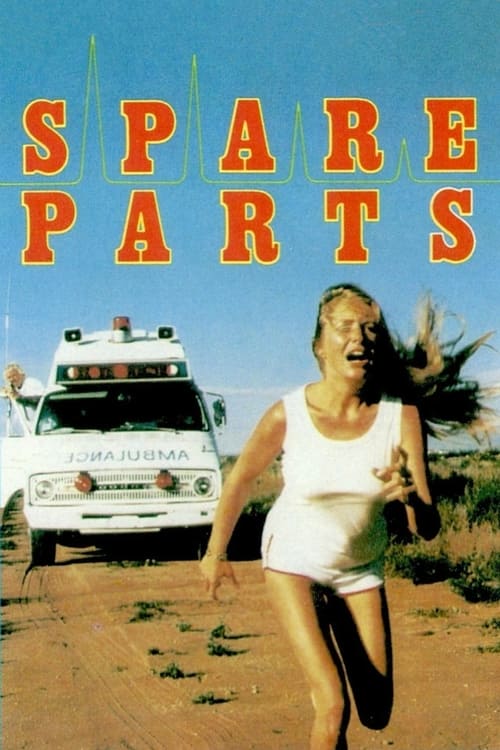
Honeymooning couple Monica and Mike check into a motel in New Mexico. All seems normal until an ambulance pulls up and abducts Mike. Monica narrowly escapes and, with the help of truck driver Bill, discovers the awful secret of the motel and the ambulance service.
1973

1977

2009
1967

1991

1993

2004

1997
No reviews yet. Be the first to share your thoughts on this movie!
Use the rating form above to leave a star rating and optional review.