Two Wrongs
2015
No user ratings available yet
Representation score: 2.8 out of 10
Representation Score
Minimal
2004
Director
Stuart Alexander
Runtime
89 minutes
Average Rating
No ratings yetNew Showbiz Analysis
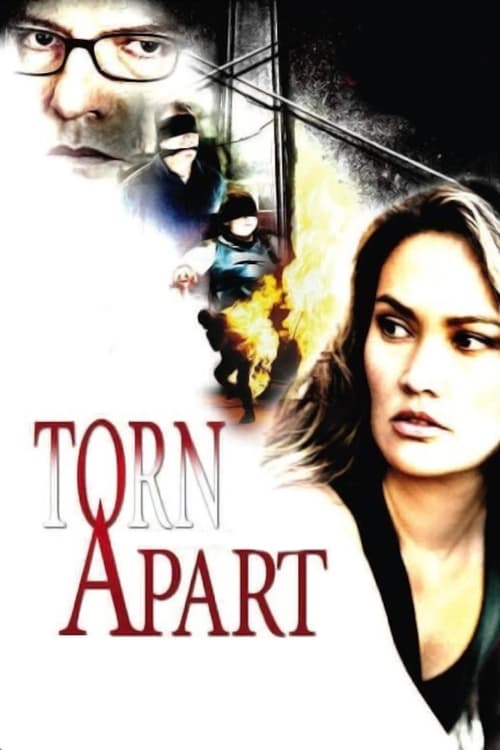
Torn Apart is a conventional mid-2000s television thriller that follows a standard crisis-response framework. The plot is driven by a cycle of vengeance where a grieving father targets a professional woman and her family. While the film includes a female protagonist in a high-status professional role, the narrative remains reactive. The protagonist's role is secondary to the external actions of a male antagonist, reinforcing traditional gendered vulnerabilities. The production lacks multi-layered complexity. It relies on established genre clichés to focus on domestic threats rather than deconstructing systemic power dynamics or exploring diverse identity-based narratives.
Category Breakdown
The film does not include any characters with non-straight sexual orientations or non-cisgender gender identities. The central conflict revolves around a traditional nuclear family.
Dr. Vicki Westin holds a high-status professional role, showcasing female competence. However, the plot hinges on the cliché of female domestic stability being disrupted by male violence.
Tia Carrere’s casting introduces ethnic diversity in the lead role. However, race does not significantly influence the character's role or the story's themes.
The story adheres to conventional Western thriller clichés and traditional moral frameworks. It centers on preserving the domestic sphere without challenging cultural or institutional norms.
The film does not depict any characters dealing with physical or neurodivergent disabilities.
Present on Screen
Limited or Absent
Official Synopsis
Dr. Vicki Westin has no idea that losing a patient is going to wreak complete havoc on her life. But that's exactly what happens: Her deceased patient's grieving father seeks vengeance by kidnapping Vicki's husband and daughter.
2015
2012
2019

2002
2020
2001
2026

2018
No reviews yet. Be the first to share your thoughts on this movie!
Use the rating form above to leave a star rating and optional review.