
Gone in a Heartbeat
1996
No user ratings available yet
Representation score: 4.3 out of 10
Representation Score
Fair
2006
TV-14Director
George Mendeluk
Runtime
88 minutes
Average Rating
No ratings yetNew Showbiz Analysis
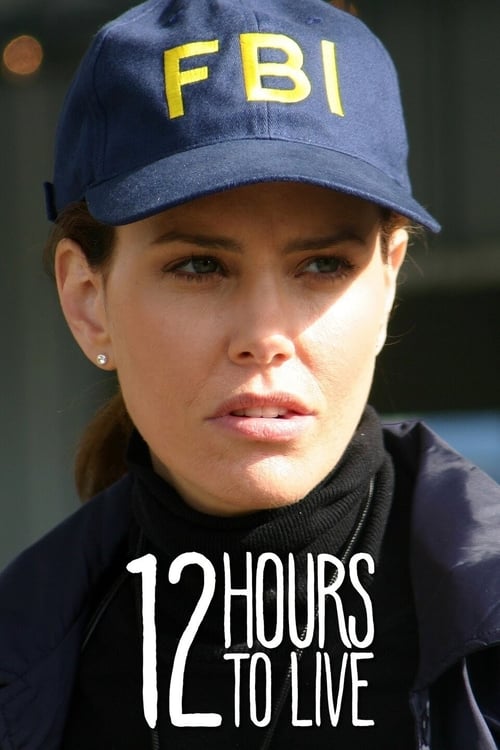
12 Hours to Live is a conventional crime thriller that prioritizes genre clichés over social complexity. While it offers strong women's ability to drive the story through its two main characters, the narrative remains largely traditional in its execution. The film highlights a chronic illness by making diabetes a central element of the survival stakes. However, this representation is used primarily to heighten tension rather than to explore the nuances of living with a disability. Overall, the work lacks depth in reflecting multiple aspects of identity. It follows a standard, homogeneous framework that avoids challenging established social norms or exploring diverse cultural identities.
Category Breakdown
The film does not include any explicit LGBTQ+ characters or stories. The main storyline focuses on a traditional crime plot without addressing non-straight or non-cisgender identities.
The story emphasizes the roles of women, featuring an FBI agent and a young woman who must survive dangerous situations. Women are placed in positions of professional authority and make critical decisions.
The narrative seems to follow a uniform approach typical of the genre. There is no indication of a diverse cast or non-Anglo-Saxon majority.
The film operates within a standard Western law-enforcement framework. It functions as a conventional procedural drama without critiquing systemic power or institutions.
Amy’s diabetes plays a central role in the plot, serving as a source of physical vulnerability. This provides visibility for a chronic condition, although it primarily functions as a ticking-clock device to increase tension.
Present on Screen
Limited or Absent
Official Synopsis
Eighteen-year-old Amy is having a bad day. Not only has she been kidnapped by a deranged gunman, but as a diabetic without her insulin, her chances of survival are diminishing with each tick of the clock. FBI agent Megan Saunders isn't walking on sunshine either, since this madman killed her partner when Megan hesitated to pull the trigger. Now Megan won't stop till she nails this guy, but can she save Amy before her time's up?
1996
1999
1990

2009
1972

2002

2016

1973
No reviews yet. Be the first to share your thoughts on this movie!
Use the rating form above to leave a star rating and optional review.