
Amber Alert
2016
No user ratings available yet
Representation score: 3.1 out of 10
Representation Score
Fair
1996
Director
Jerry Jameson
Runtime
86 minutes
Average Rating
No ratings yetNew Showbiz Analysis
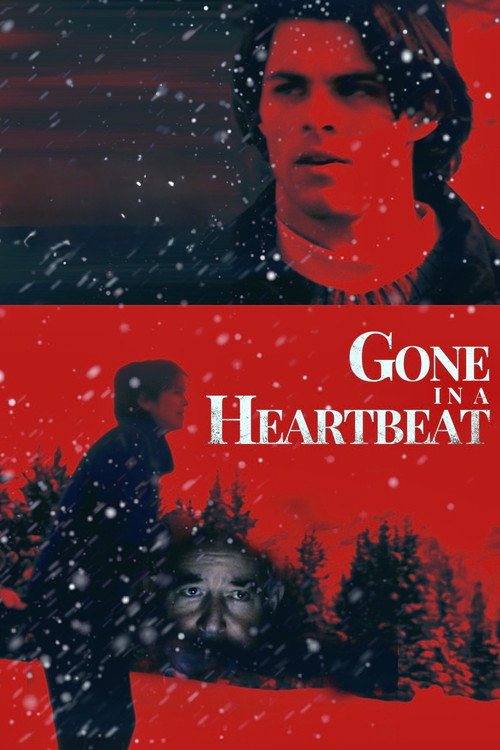
Gone in a Heartbeat follows a conventional mid-90s thriller structure that prioritizes traditional domesticity and straight-centered relationship models. The narrative relies heavily on established genre clichés, particularly regarding gender roles and medical tension. The film lacks representation that reflects multiple aspects of diversity, focusing instead on a homogeneous family unit facing external threats. This creates a narrow social lens that avoids challenging established hierarchies or exploring diverse cultural perspectives. Ultimately, the work functions as a standard commercial drama where the characters' roles are secondary to the mechanics of the suspense plot.
Category Breakdown
There are no visible LGBTQ+ narratives or non-binary identities in the story. It focuses on a traditional heterosexual marriage.
Jan Hale is portrayed as a passive character who serves mainly as a catalyst for the male protagonist's actions. The film relies on traditional gender clichés where the male figure acts as the primary protector.
The narrative appears to center around a homogeneous domestic unit with no indication of a diverse cast or the inclusion of non-Anglo-Saxon characters.
The film adheres to conventional Western social values centered on the nuclear family. It lacks exploration of diverse religious or cultural perspectives.
A fatal heart condition serves as a central plot device to create suspense. This approach uses medical vulnerability as a thriller cliché rather than exploring the lived experiences of those with disabilities.
Present on Screen
Limited or Absent
Official Synopsis
When teenage students kidnap Jan Hale they do not mean her any real harm - they just want enough ransom money from her husband Mark to afford a life of luxury. However, when they leave Jan handcuffed to the steering wheel of their car in the freezing cold, they are not aware that she suffers from a potentially fatal heart condition. Mark is racing against time as he and the police play a game of cat and mouse with the kidnappers, aware that he may never see his wife alive again.
2016

1995

2009

2009
2006
1991

1997
1991
No reviews yet. Be the first to share your thoughts on this movie!
Use the rating form above to leave a star rating and optional review.