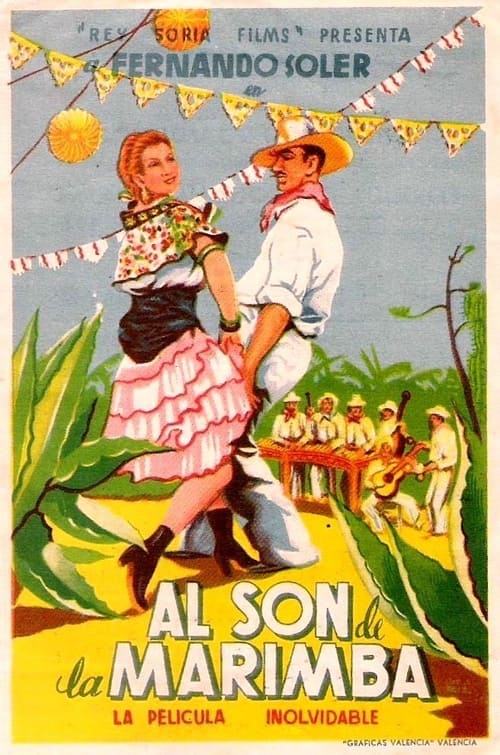
Al son de la marimba
1940
No user ratings available yet
Representation score: 1.5 out of 10
Representation Score
Minimal
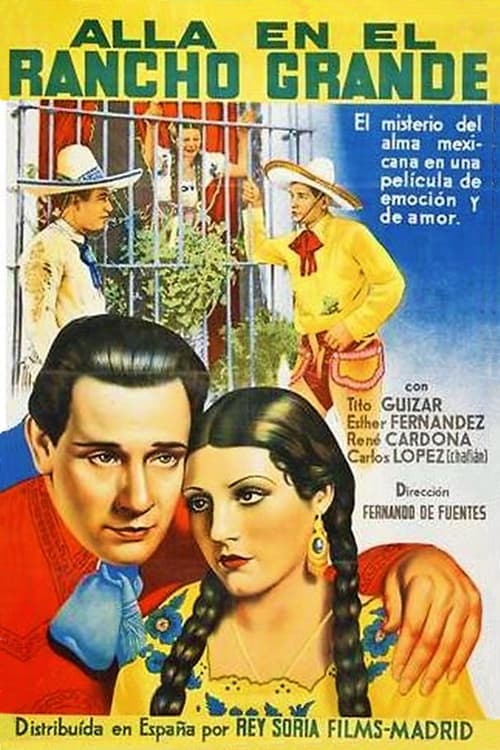
1936
Director
Fernando de Fuentes
Runtime
95 minutes
Average Rating
No ratings yetNew Showbiz Analysis
Allá en el Rancho Grande serves as a foundational pillar for the comedia ranchera genre, emphasizing the romanticization of traditional Mexican social structures. The film focuses on maintaining a cohesive and idealized national identity, rather than exploring diverse or subversive perspectives. Its narrative structure highlights the stability of the landed estate and patriarchal honor, reinforcing mid-century social norms.
Category Breakdown
The film centers on heterosexual relationships and romantic competition, with no representations of LGBTQ+ identities or same-sex intimacy.
Male characters drive the plot through honor and competition, while the female lead's role is largely defined by her relationships with the male protagonists.
It promotes a specific mestizo nationalist identity by idealizing rural life. However, it lacks the complexity found in more modern, diverse narratives.
The story celebrates the hacienda system and traditional social hierarchies, reinforcing established moral codes, chivalry, and honor-based conduct.
Characters are presented as idealized, able-bodied archetypes. There are no prominent depictions of visible or invisible disabilities.
Present on Screen
Limited or Absent
Official Synopsis
Two good friends — the owner and general manager of a ranch — fall in love with the same girl at the same time. The owner tries to 'buy' the girl without knowing she is in love with the manager.
1940

1930
1948
1953
1942
1960
1947

1949
No reviews yet. Be the first to share your thoughts on this movie!
Use the rating form above to leave a star rating and optional review.