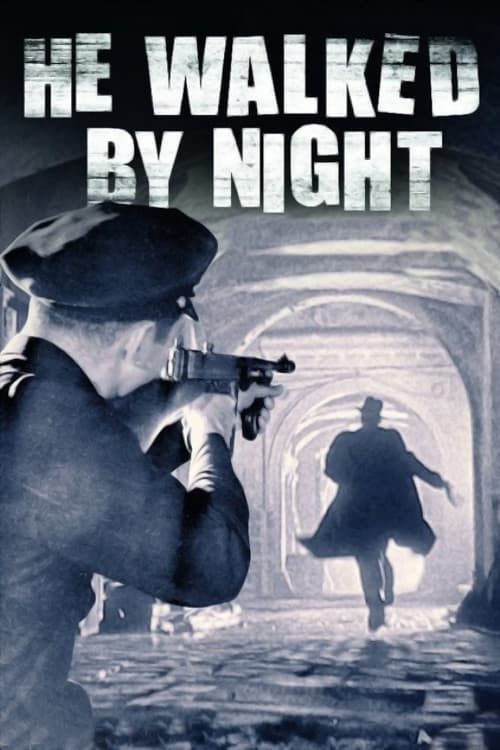
He Walked by Night
1949
No user ratings available yet
Representation score: 1.1 out of 10
Representation Score
Minimal
1954
ApprovedDirector
Arnold Laven
Runtime
85 minutes
Average Rating
No ratings yetNew Showbiz Analysis
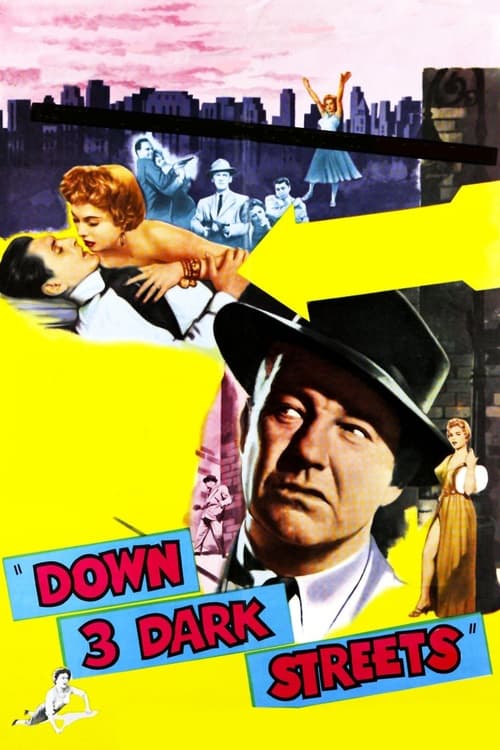
Down Three Dark Streets is a conventional mid-century noir that prioritizes genre mechanics over social diversity. The narrative relies heavily on established archetypes, such as the femme fatale, to drive its crime-driven plot. The film reflects the demographic constraints of 1954, presenting a homogeneous social landscape. It lacks engagement with racial the way different parts of someone's identity overlap or underrepresented identities, focusing instead on a white, urban criminal environment. Ultimately, the work functions as a standard legalistic character study. It reinforces traditional power dynamics and Western institutional values rather than subverting them.
Category Breakdown
The film operates within a strictly straight-centered framework. There is no discernible presence of queer subtext or non-assuming gender matches what was assigned at birth identities.
Female characters are defined by the femme fatale cliché. While they exert influence through manipulation, the narrative frames this ability to act as a predatory force against male stability.
The cast and setting are predominantly homogeneous. The story focuses on a white, urban criminal underworld without significant minority representation.
The film aligns with mid-century Western values regarding social order. It functions as a character study of morality rather than a critique of Western institutions.
There are no visible portrayals of physical disabilities, neurodivergence, or chronic illness within the primary character arcs.
Present on Screen
Limited or Absent
Official Synopsis
An FBI Agent takes on the three unrelated cases of a dead agent to track down his killer.
1949
1946
1964
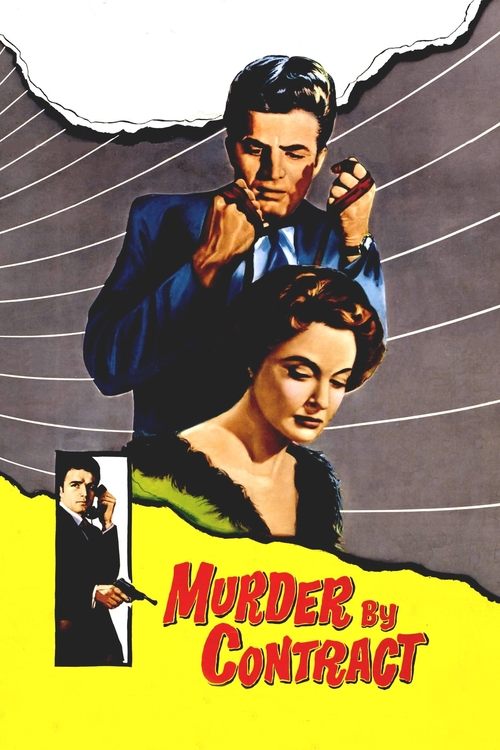
1958
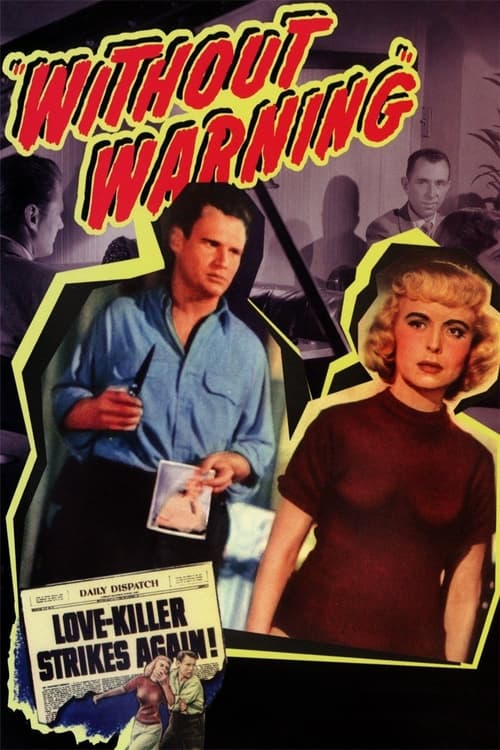
1952
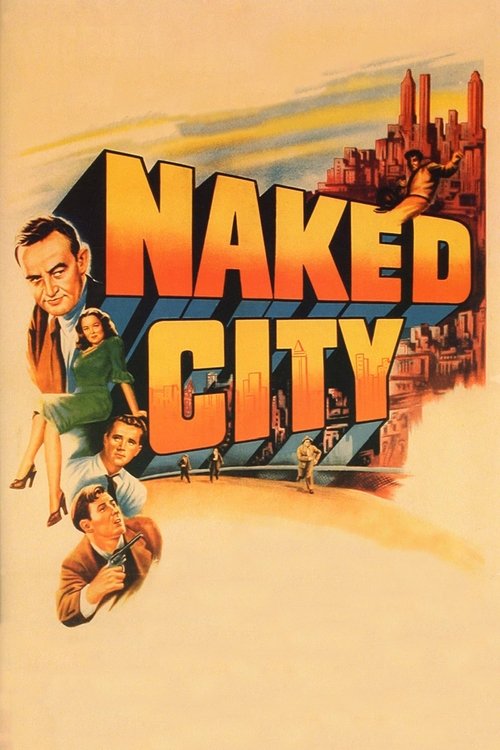
1948
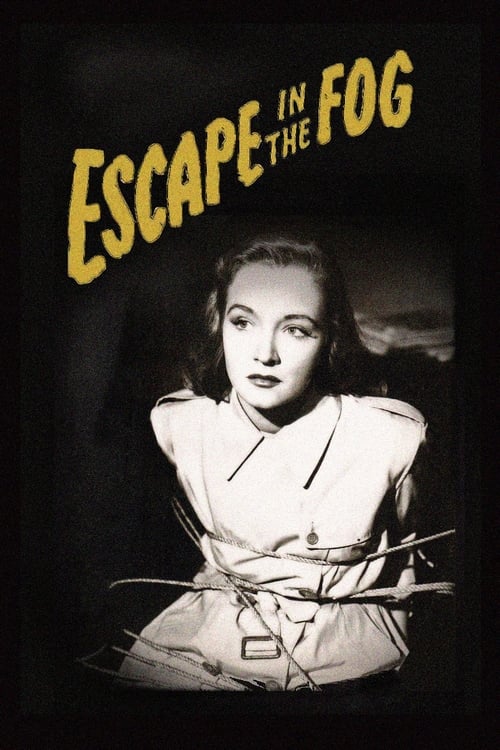
1945
1951
No reviews yet. Be the first to share your thoughts on this movie!
Use the rating form above to leave a star rating and optional review.