Welding the Big Ring
1904
No user ratings available yet
Diversity score: 1.1 out of 10
1905
UnratedDirector
Billy Bitzer
Runtime
5 minutes
Average Rating
No ratings yetSynopsis
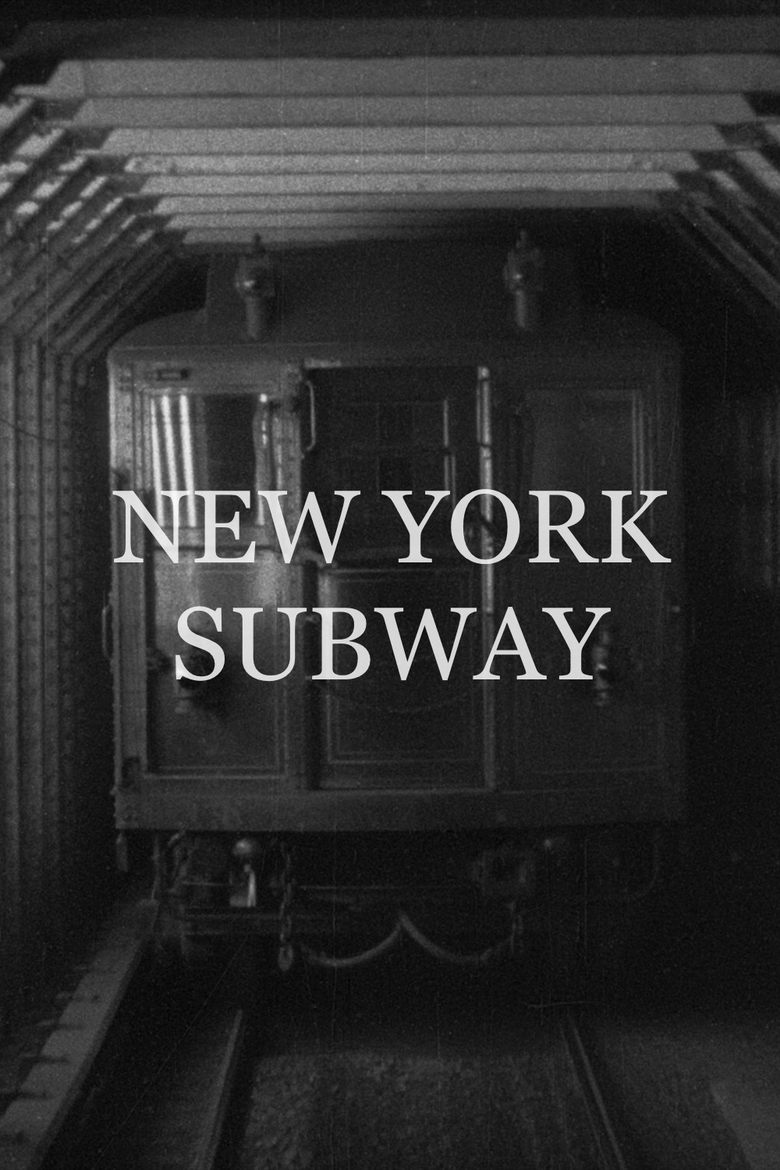
The camera platform was on the front of a New York subway train following another train on the same track. Lighting is provided by a specially constructed work car on a parallel track. At the time of filming, the subway was only seven months old, having opened on October 27, 1904. The ride begins at 14th Street (Union Square) following the route of today's east side IRT, and ends at the old Grand Central Station, built by Cornelius Vanderbuilt in 1869. The Grand Central Station in use today was not completed until 1913.
Overall Score
Minimal
Category Breakdown
LGBTQ+ Representation
The film serves as a technical observational study of transit infrastructure. It lacks character arcs or interpersonal depictions necessary to represent gender identity or sexual orientation.
Gender Representation
Cinematography focuses entirely on the locomotive, tracks, and lighting. There is no visible engagement with gender hierarchies or the subversion of traditional roles.
Racial & Ethnic Diversity
The visual field is dominated by industrial machinery and transit technology. The film functions as a study of Western technological achievement rather than a diverse cast.
Religious & Cultural Diversity
The film celebrates industrial modernity and Western engineering. It documents the expansion of a metropolitan system rather than engaging with subjective morality or secularism.
Disability Representation
Footage focuses on the mechanical movement of the subway train. There is no evidence of individuals with visible or invisible disabilities being portrayed with agency.
Strengths
Areas for Improvement
AI Analysis
This documentary functions as a historical record of urban infrastructure rather than a narrative film. Because the focus is on the mechanical progression of a train through a subterranean environment, there is no character-driven agency to analyze. The film prioritizes technical innovation and observational realism. It documents the expansion of a major Western metropolitan system, emphasizing progress through engineering and industrial modernity. Due to its nature as a technical study of early 20th-century transit, the work lacks the dialogue and intentionality required to engage with social hierarchies or progressive representation.
1904
1904
1904
1904
1904
1904
1896
1901
1896
1896
1900
1898
No reviews yet. Be the first to share your thoughts on this movie!
Use the rating form above to leave a star rating and optional review.