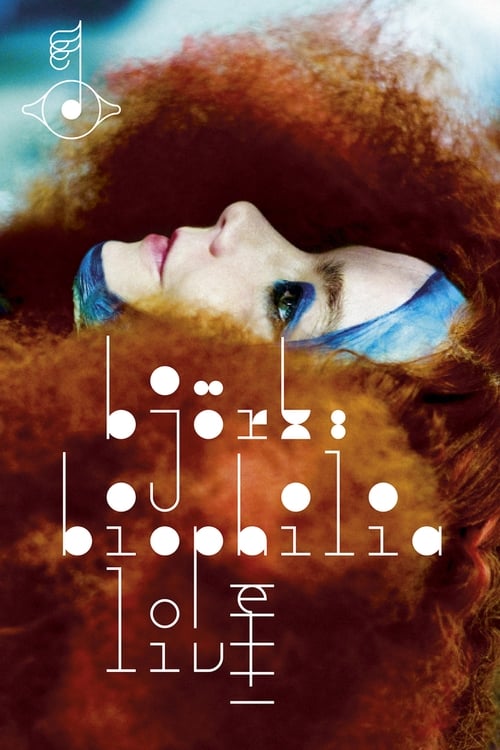
Björk: Biophilia Live
2014
No user ratings available yet
Representation score: 5.8 out of 10
Representation Score
Good
1986
Director
Laurie Anderson
Runtime
90 minutes
Average Rating
No ratings yetNew Showbiz Analysis
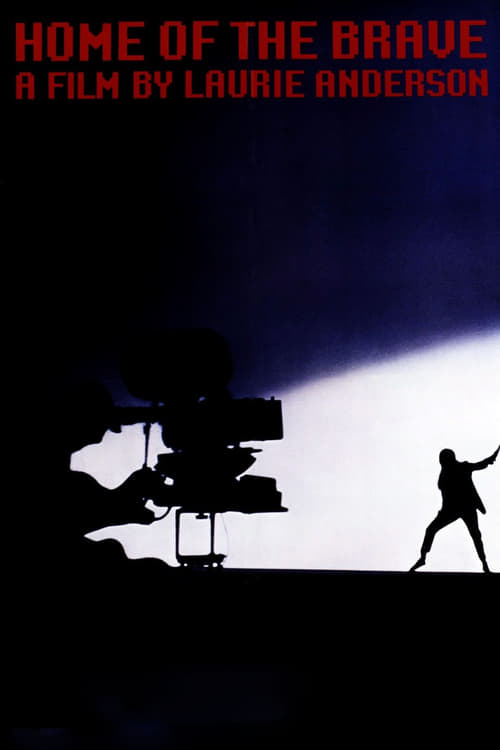
Home of the Brave is a significant postmodern work that disrupts conventional storytelling through experimental structure. It moves away from Western narrative cohesion toward a technologically-mediated reality. While the film lacks explicit, character-driven characters who reflect more than one aspect of diversity, it achieves progressive value by challenging traditional authority. It questions the viewer's perception of identity and institutional stability. The work functions more as a critique of systemic media structures than a traditional narrative, prioritizing abstract exploration over social character studies.
Category Breakdown
The film doesn't include explicit romantic storylines or traditional depictions of same-sex intimacy. However, its postmodern style and electronic vocal manipulation hint at themes of identity fluidity.
Anderson emphasizes her own persona to challenge male-dominated hierarchies in the avant-garde scene. Voice modulation is used to defy conventional expectations of feminine presentation.
There is limited evidence of a diverse cast or specific racialized character arcs. The focus remains primarily on technology, media, and abstract visual collage.
The film critiques American identity and mass media using a postmodern lens. It prioritizes individual perspective over singular religious or patriotic dogmas.
No characters with visible or invisible disabilities are used as plot devices. The electronic soundscapes and glitch aesthetics suggest neurodivergent modes of perception.
Present on Screen
Limited or Absent
Official Synopsis
A concert film directed by and featuring the music of Laurie Anderson, filmed at the Park Theater in Union City, New Jersey, during the summer of 1985. The film includes songs from her 1984 album Mister Heartbreak and selections from her 1983 United States I–IV stage shows, along with eclectic, experimental visuals blending film, animation, dance and electronics.
2014
2011
1966
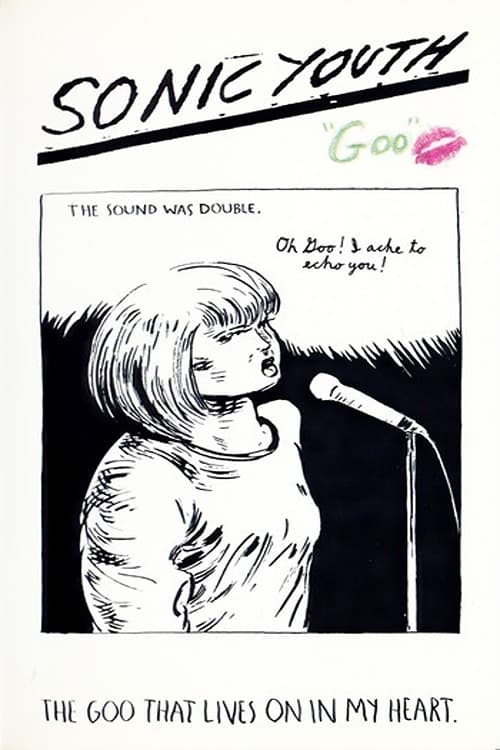
1991
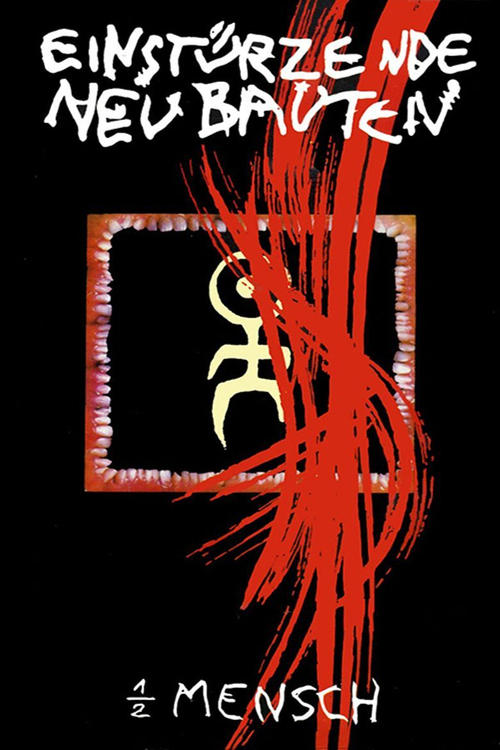
1986
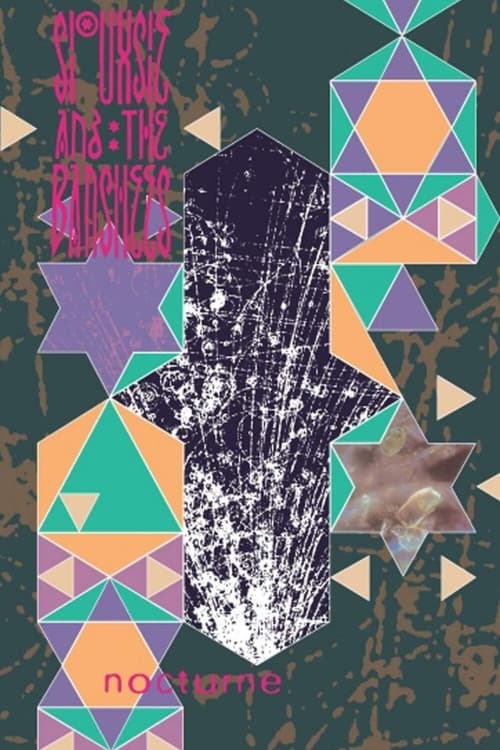
1983
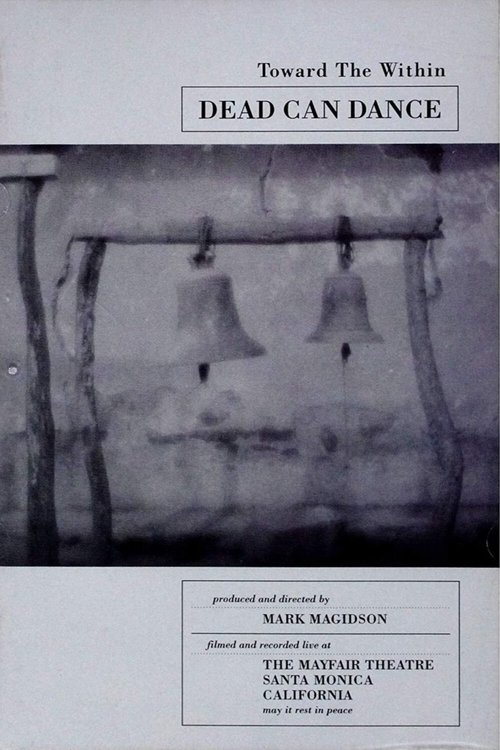
1994

1981
No reviews yet. Be the first to share your thoughts on this movie!
Use the rating form above to leave a star rating and optional review.