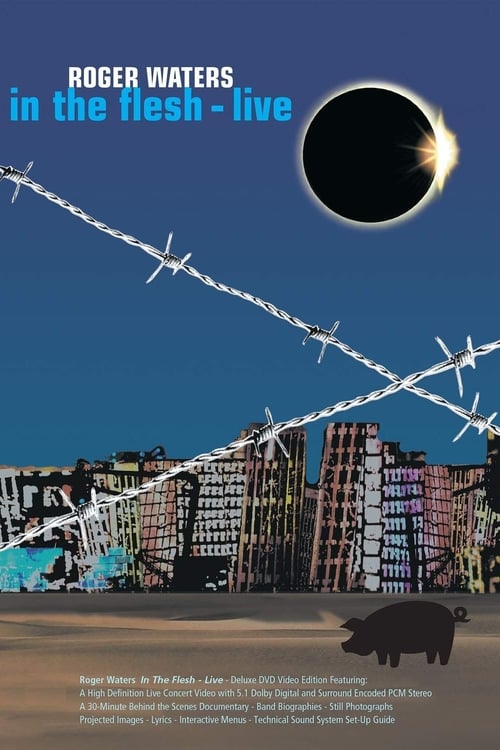
Roger Waters: In The Flesh - Live
2000
No user ratings available yet
Representation score: 5.8 out of 10

Representation Score
Good
1990
Director
Ken O'Neill
Runtime
115 minutes
Average Rating
No ratings yetNew Showbiz Analysis
This performance is a sophisticated deconstruction of systemic power and institutional authority. It succeeds by using large-scale spectacle to challenge the legitimacy of authoritarian structures and traditional social hierarchies. While the production features a diverse international cast of musical talents, the core narrative remains focused on Western European historical trauma. This limits the depth of racial and ethnic exploration within the central theatrical arc. The work achieves its impact through thematic subversion rather than multi-layered character representation. It prioritizes the critique of social stability and the psychological effects of systemic oppression over specific identity-driven storytelling.
Category Breakdown
The production explores themes of alienation and non-conformity. However, it lacks explicit depictions of LGBTQ+ identities or non-traditional gender expressions as central plot drivers.
The narrative critiques traditional domestic roles and the instability of the nuclear family. While it challenges gender hierarchies, it lacks a diverse range of female roles and ability to act.
The ensemble features a diverse array of global musical talents. However, the central narrative remains focused on Western European historical trauma and specific geopolitical contexts.
The performance excels in its anti-authoritarian critique of state power and fascism. It uses the Berlin setting to powerfully deconstruct institutional authority and geopolitical division.
The film offers a nuanced, metaphorical exploration of mental health and psychological fragmentation. It treats the protagonist's psychosis as a complex driver rather than simple inspiration porn.
Present on Screen
Limited or Absent
Official Synopsis
A global television broadcast of the event in which former Pink Floyd leader singer and composer Roger Waters led an all-star cast in a mammoth benefit performance of his acclaimed concept album, The Wall. Set in Berlin, Germany less than a year after the destruction of the hated Berlin Wall, Waters was accompanied by disparate talents such as Cyndi Lauper, James Galway, Joni Mitchell and Albert Finney in the classic dark musical tale of a rock star's descent into madness and back.
2000

1981
1986
1985
1998

1999
2005
2005
No reviews yet. Be the first to share your thoughts on this movie!
Use the rating form above to leave a star rating and optional review.