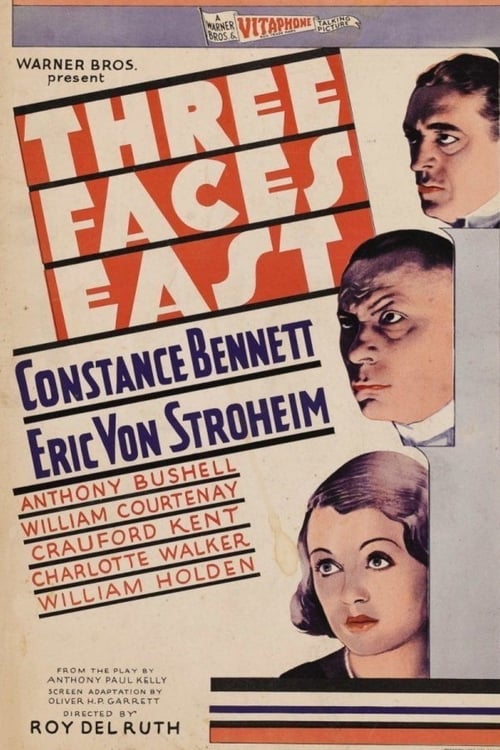
Three Faces East
1930
No user ratings available yet
Representation score: 0.8 out of 10
Representation Score
Minimal
1930
NRDirector
Roy Pomeroy
Runtime
72 minutes
Average Rating
No ratings yetNew Showbiz Analysis
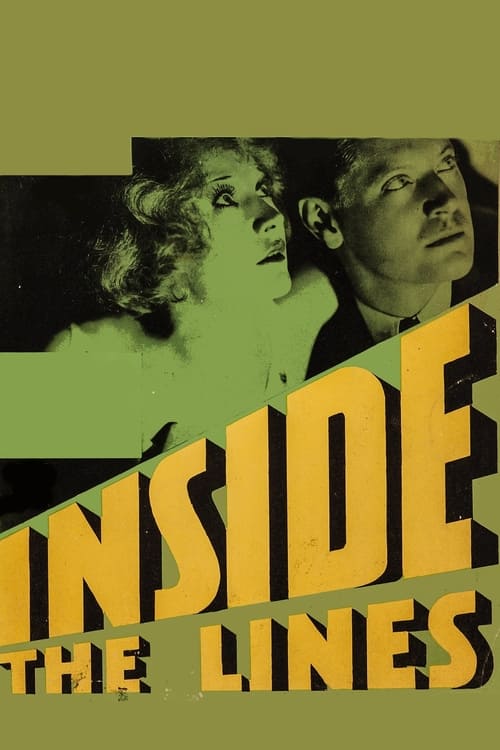
Inside the Lines is a product of its time, reflecting the social hierarchies and cinematic constraints of 1930. The film centers on a traditional World War I espionage plot, which naturally emphasizes Western geopolitical interests and institutional stability. The narrative structure leans heavily on established wartime clichés, focusing on the conflict between Allied and German intelligence. This focus results in a lack of complexity or diverse character perspectives. Ultimately, the film serves as a period-specific example of early 20th-century studio production, prioritizing nationalistic themes over social critique or diverse representation.
Category Breakdown
The film does not include any LGBTQ+ characters or stories that challenge the assumption that everyone is straight or cisgender. The wartime espionage setting highlights traditional gender roles.
The narrative likely emphasizes male leadership and control within military intelligence operations. Female characters are portrayed in more traditional supportive or domestic roles.
The story focuses on Western European countries during a geopolitical conflict. The casting likely reflects the homogeneous Anglo-European standards of 1930s British cinema.
The plot emphasizes patriotism and the defense of established institutions. It follows a conventional wartime narrative centered on national security and state defense.
There is no documented evidence of characters with physical or neurodivergent disabilities in this production.
Present on Screen
Limited or Absent
Official Synopsis
During World War I, German spies will stop at nothing to spy on the allied war plans stored at Gibraltar.
1930

1952

1930

1981

1937

1927

1937
1939
No reviews yet. Be the first to share your thoughts on this movie!
Use the rating form above to leave a star rating and optional review.