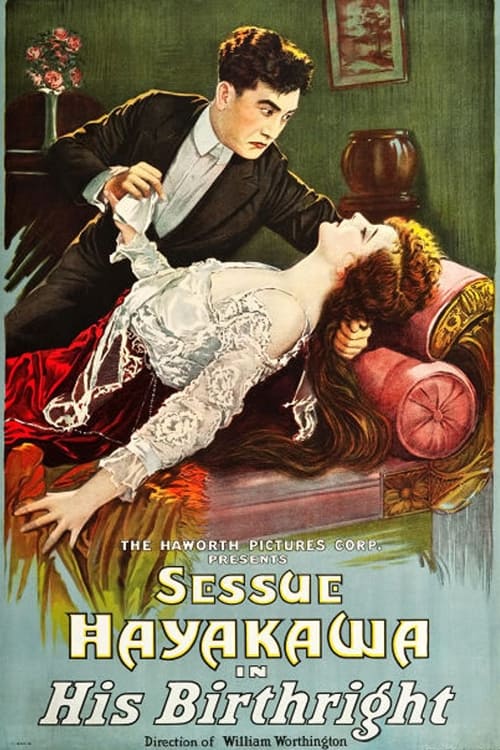
His Birthright
1918
No user ratings available yet
Representation score: 2.1 out of 10
Representation Score
Minimal
1917
NRDirector
William C. deMille
Runtime
67 minutes
Average Rating
No ratings yetNew Showbiz Analysis
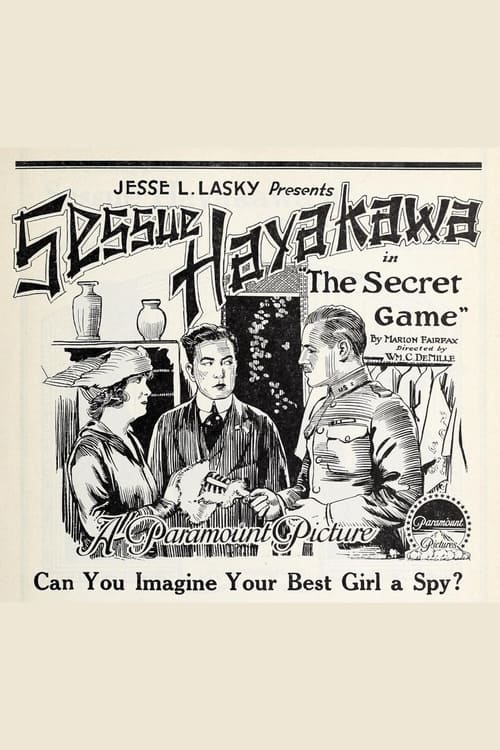
The film presents a typical espionage drama of its time, emphasizing nationalistic tension over social disruption. While it introduces a Japanese protagonist in an investigative role, the narrative structure remains firmly grounded in Western interests. Gender roles adhere to traditional formulas, with the female character acting as a catalyst for conflict through betrayal. The plot's resolution hinges on the male protagonist's revelation of the woman's true identity, reinforcing conventional power dynamics. Ultimately, the work reflects the historical context of 1917, highlighting wartime loyalty and traditional hierarchies rather than diverse identities or systemic norms.
Category Breakdown
The film does not depict any non-straight identities or same-sex relationships. The romantic tension revolves around a heterosexual relationship between the detective and the female lead.
Kitty Little drives the plot as a spy, giving her significant influence. However, her ability to act is tied to deception, and the resolution centers on a traditional romantic storyline.
The inclusion of Nara-Nara, a Japanese detective in a leadership role, adds a layer of non-Western representation. However, the story remains focused on Western geopolitical tensions and wartime conflicts.
The narrative emphasizes early 20th-century nationalism and wartime morality, focusing on state security and patriotism. It does not explore diverse cultural perspectives or question Western institutions.
There are no characters with visible or invisible disabilities. No storylines are defined by physical or neurodivergent experiences.
Present on Screen
Limited or Absent
Official Synopsis
In the office of Major Northfield, the quartermaster of the Pacific Coast, a leak has been discovered which may endanger the safety of American transports that are secretly carrying troops across the Pacific. Nara-Nara, a Japanese detective, is assigned to the case because his country has guaranteed safety to these transport ships. Nara-Nara believes that Northfield is guilty, although in reality it is Northfield's secretary Kitty Little, a girl of German ancestry, who is passing information to Dr. Ebell Smith, a German agent. Nara-Nara falls in love with Kitty, but soon after discovers that she is the leak in the quartermaster's office.
1918

1952

1937
1922

1930
1936
1930

2020
No reviews yet. Be the first to share your thoughts on this movie!
Use the rating form above to leave a star rating and optional review.