
The Laughing Policeman
1973
No user ratings available yet
Diversity score: 2.7 out of 10
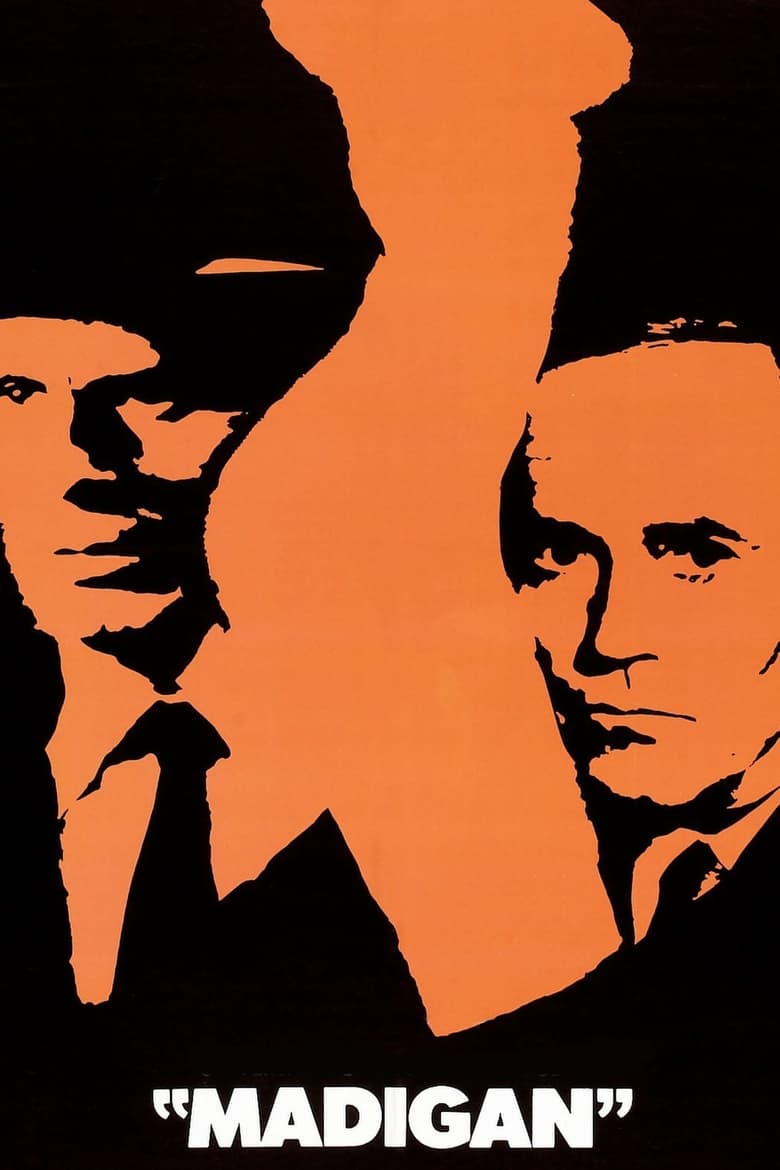
1968
NRDirector
Don Siegel
Runtime
101 minutes
Average Rating
No ratings yetSynopsis
NYPD detectives Bonaro and Madigan lose their guns to fugitive Barney Benesch. As compensation, they are given a weekend to bring Benesch to justice. While they follow various leads, Police Commissioner Russell goes about his duties, including attending functions, meeting with aggrieved relatives, and counseling the spouses of fallen officers.
Overall Score
Limited
Category Breakdown
LGBTQ+ Representation
The film adheres to the social and cinematic conventions of the late 1960s. It lacks any evidence of non-cisnormative identities or narratives that critique heteronormativity.
Gender Representation
Agency is almost exclusively reserved for male protagonists like Madigan and Bonaro. Women appear in peripheral roles, serving primarily as supporting figures to the male-driven plot.
Racial & Ethnic Diversity
The setting reflects the era's standard for urban crime dramas with a predominantly homogeneous environment. There is a lack of diverse ethnic perspectives within the central power dynamics.
Religious & Cultural Diversity
The narrative explores the tension between individual agency and institutional authority. It upholds the legitimacy of Western civic institutions rather than seeking to deconstruct them.
Disability Representation
There are no prominent depictions of visible or invisible disabilities. No characters with disabilities are shown driving the narrative or providing significant depth.
Strengths
Areas for Improvement
AI Analysis
Madigan functions as a quintessential mid-century procedural drama. The film prioritizes established social hierarchies, focusing on the relationship between individual detectives and institutional authority within the NYPD. The narrative architecture is built around traditional masculine archetypes. It avoids the subversion of tropes, instead providing a standard representation of law enforcement dynamics common to the 1960s crime genre. Ultimately, the film lacks intersectional depth. It operates within a homogeneous social framework that reflects the institutional status quo of its era rather than challenging it.
1973
1965
1957
1975
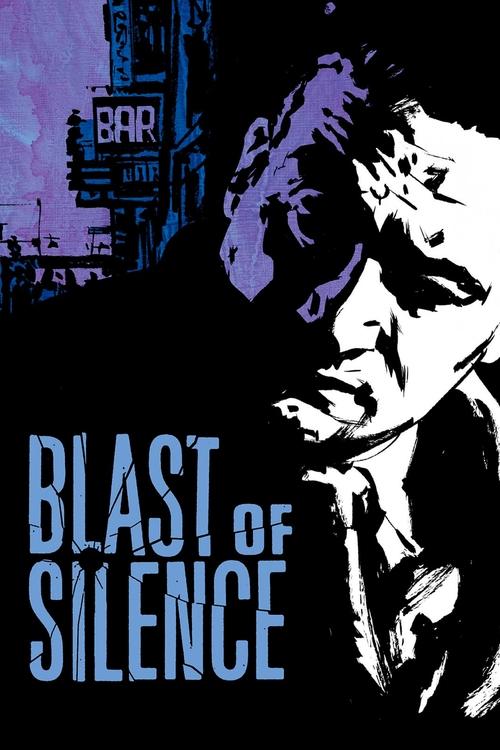
1961
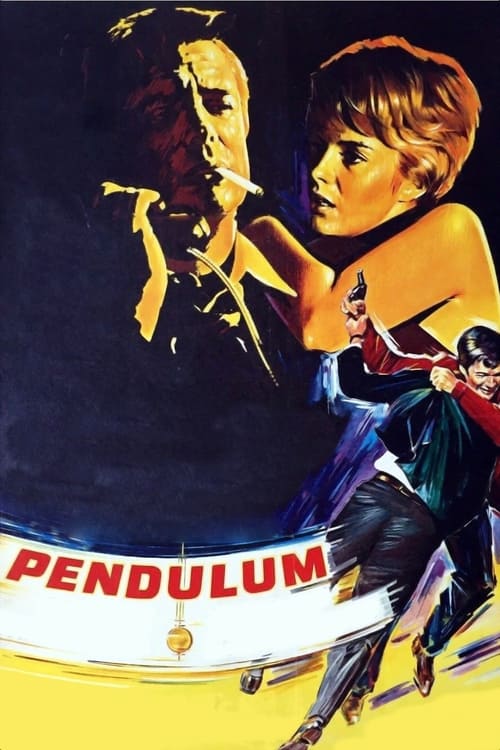
1969
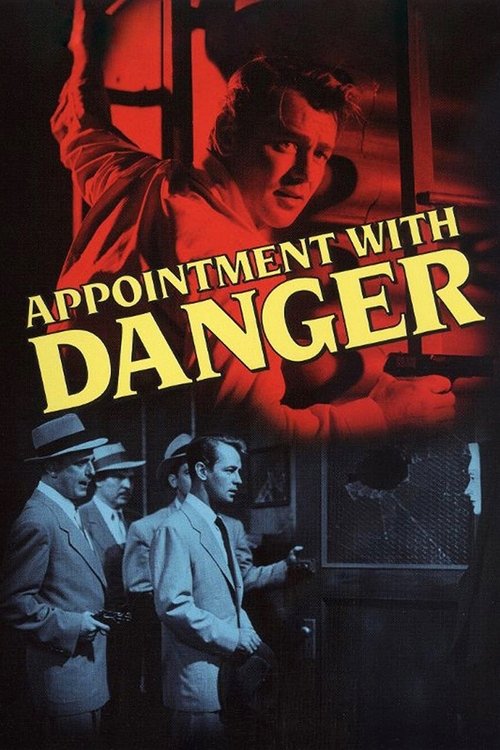
1950
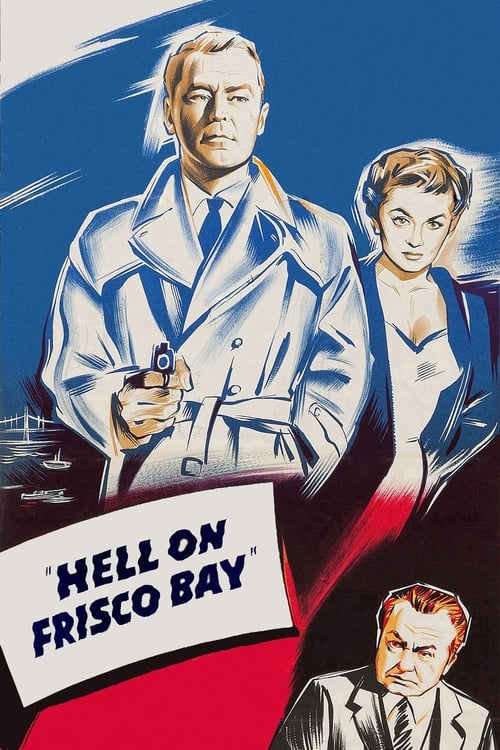
1955
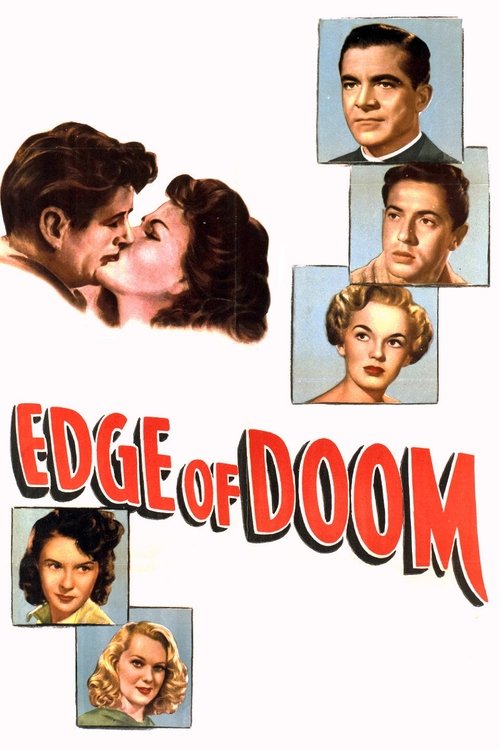
1950
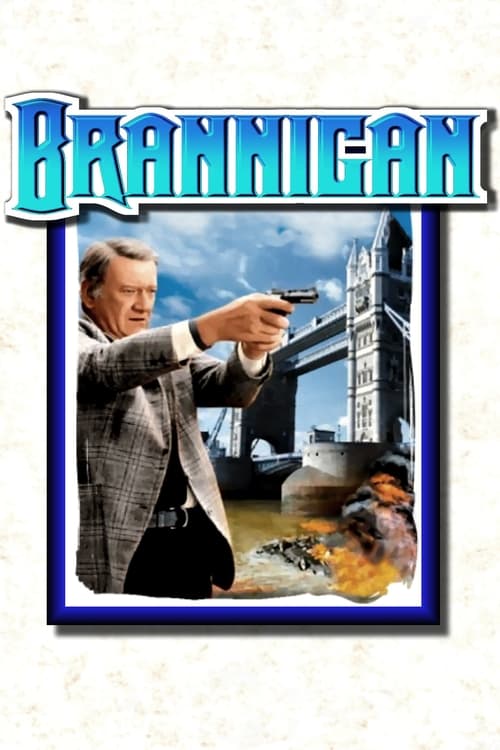
1975
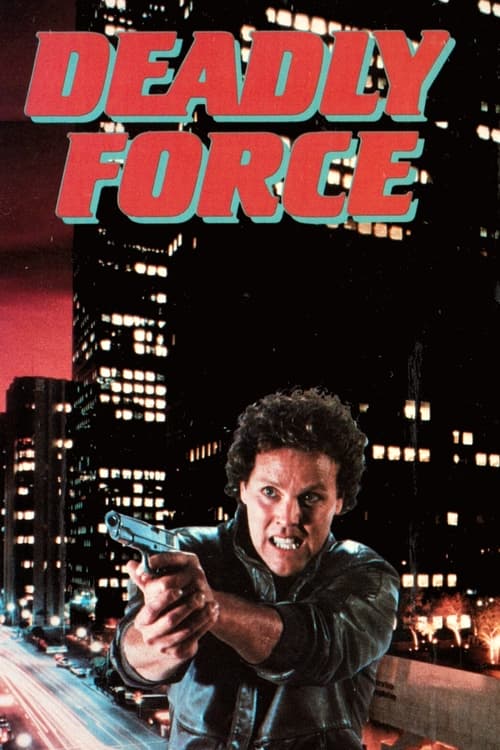
1983
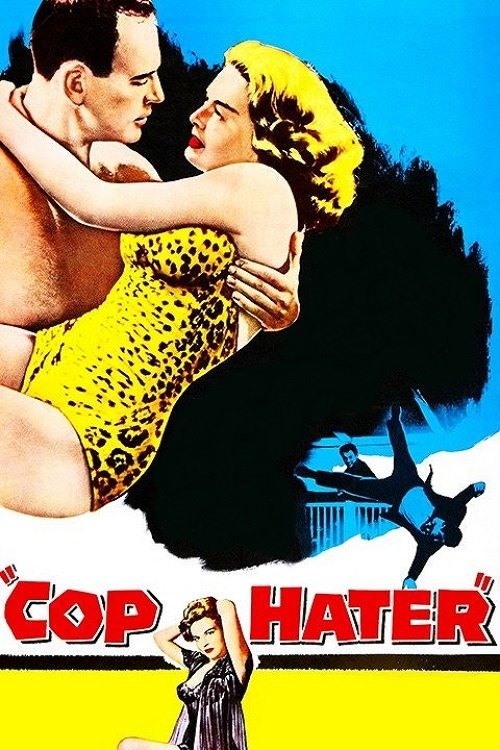
1958
No reviews yet. Be the first to share your thoughts on this movie!
Use the rating form above to leave a star rating and optional review.