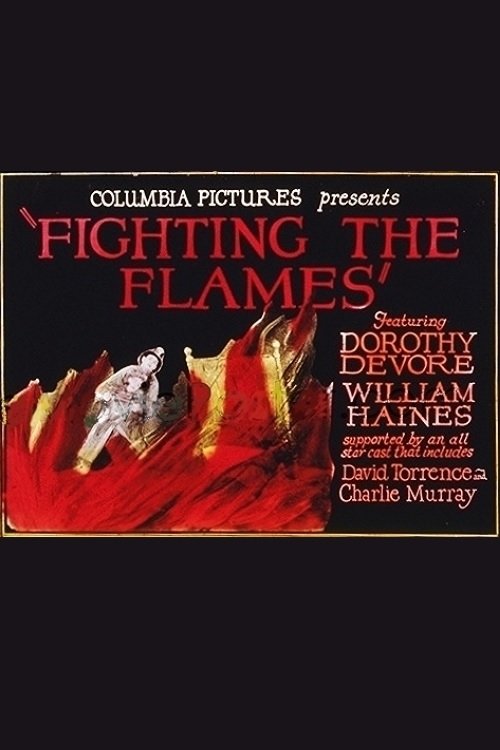
Fighting the Flames
1925
No user ratings available yet
Representation score: 1.6 out of 10

Representation Score
Minimal
1923
PassedDirector
William A. Wellman
Runtime
57 minutes
Average Rating
No ratings yetNew Showbiz Analysis
Cupid's Fireman is a period-specific reflection of 1920s social structures. It leans heavily into traditional hierarchies of gender and vocation, focusing on a singular, homogeneous familial unit. While the film lacks diversity in terms of race and LGBTQ+ identity, it offers a minor subversion of domestic dynamics. Elizabeth Stevens shifts the protector cliché by providing care for the protagonist. Ultimately, the film functions as a standard drama of its era, prioritizing themes of civic heroism and traditional romantic trajectories over inclusive representation.
Category Breakdown
The film follows a traditional romantic arc between McGee and Agnes Evans. There are no queer narratives or representations of non-straight identities.
McGee embodies a traditional masculine role, while Elizabeth Stevens subtly reverses the dynamic by caring for the adult. Agnes Evans is framed through the era's chorus girl archetype.
The narrative focuses on a specific familial unit and romantic interest. It lacks any indication of a multi-ethnic cast or diverse racial backgrounds.
The story explores Western values of duty, sacrifice, and family sanctity. It reinforces traditional roles and the weight of familial legacy rather than challenging them.
There is no documented evidence of characters with physical or neurodivergent disabilities in this film.
Present on Screen
Limited or Absent
Official Synopsis
McGee becomes a fireman over the protests of his mother, who doesn't want to see her son sacrifice his life the way his father did. When she dies, McGee adopts little Elizabeth Stevens, who takes care of him instead of vice versa. Along the way he meets Agnes Evans, a chorus girl, and falls in love.
1925

1921

1922

1920

1920

1928
1901

1927
No reviews yet. Be the first to share your thoughts on this movie!
Use the rating form above to leave a star rating and optional review.