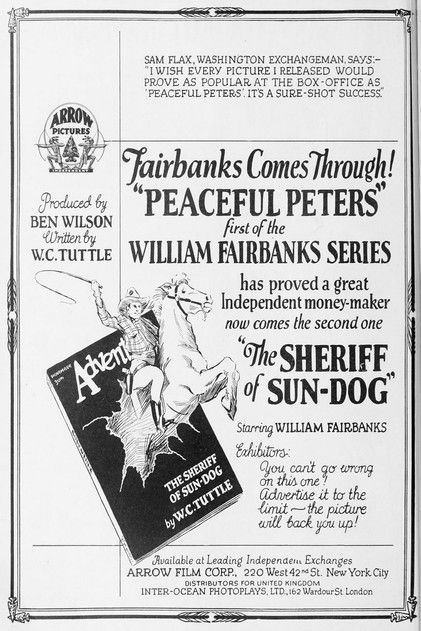
Sheriff of Sun Dog
1922
No user ratings available yet
Diversity score: 2.5 out of 10

1920
PassedDirector
Scott R. Dunlap
Runtime
50 minutes
Average Rating
No ratings yetSynopsis
After surviving a deadly card game standoff, a saloon owner tracks down the gambler who cheated him and stranded a woman in the wilderness, only to discover the woman has died and left behind twins that he adopts and raises.
Overall Score
Limited
Category Breakdown
LGBTQ+ Representation
The film lacks any evidence of non-cisnormative identities or same-sex intimacy. It relies on heteronormative archetypes typical of the silent era.
Gender Representation
Agency is concentrated in the male saloon owner who drives the plot. The female character remains a passive figure, serving primarily as a tragic catalyst.
Racial & Ethnic Diversity
The narrative likely reflects the homogeneous social structures of 1920s Westerns. It centers on standard frontier life without evidence of diverse casting.
Religious & Cultural Diversity
The story reinforces traditional Western values like paternalism and restorative justice. It utilizes classic motifs of individualist morality and frontier justice.
Disability Representation
There is no information regarding the depiction of physical or neurodivergent disabilities in this film.
Strengths
Areas for Improvement
AI Analysis
Twins of Suffering Creek is a conventional Western that adheres strictly to the genre tropes of its era. The narrative structure is built around a singular male protagonist whose actions and decisions dictate the story's progression. Character roles are largely traditional, with women and children serving as secondary elements to the male lead's journey. The film lacks intersectional complexity, focusing instead on a standard tale of vendetta and family formation. Ultimately, the film functions as a period-typical genre piece. It reinforces established social hierarchies and moral frameworks rather than offering any subversion of systemic norms.
1922
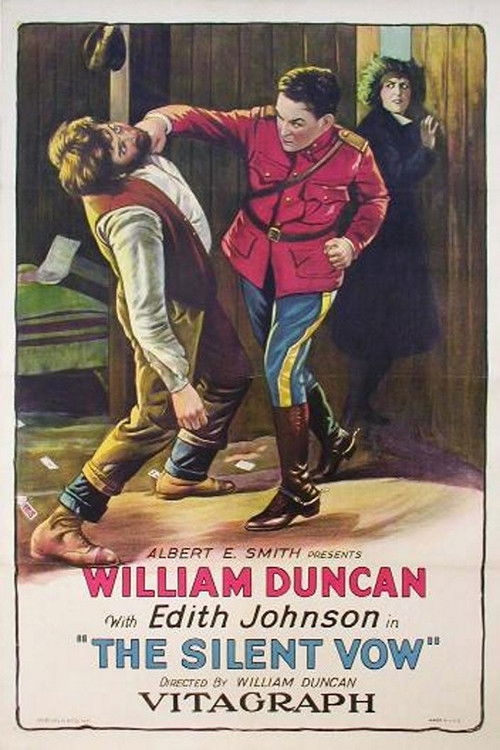
1922
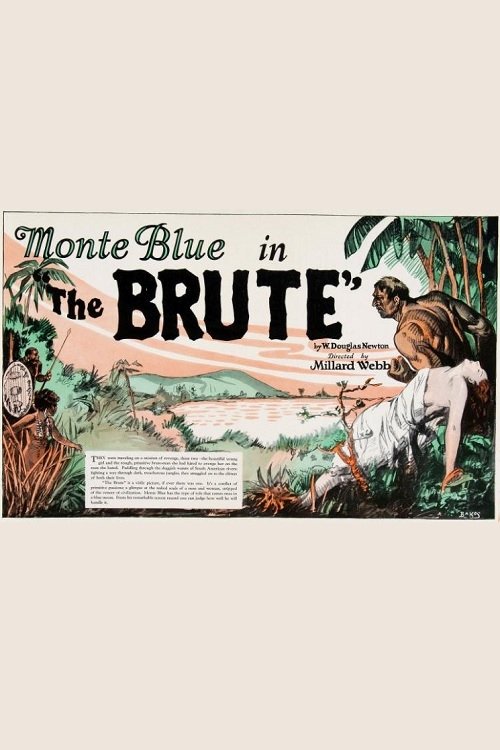
1927
1923
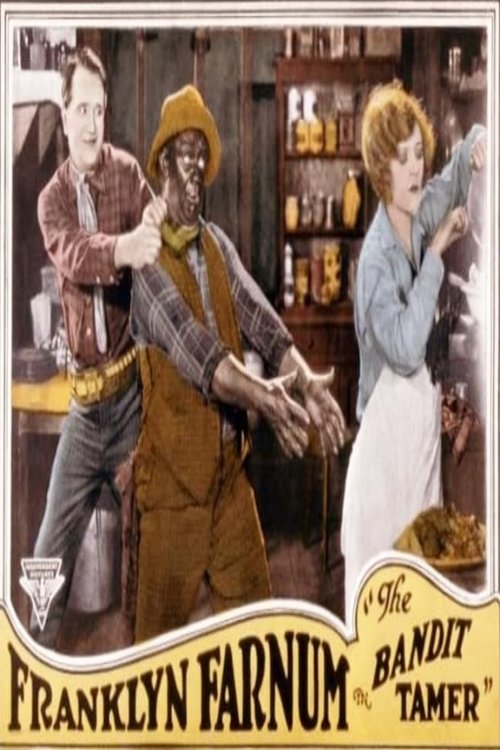
1925
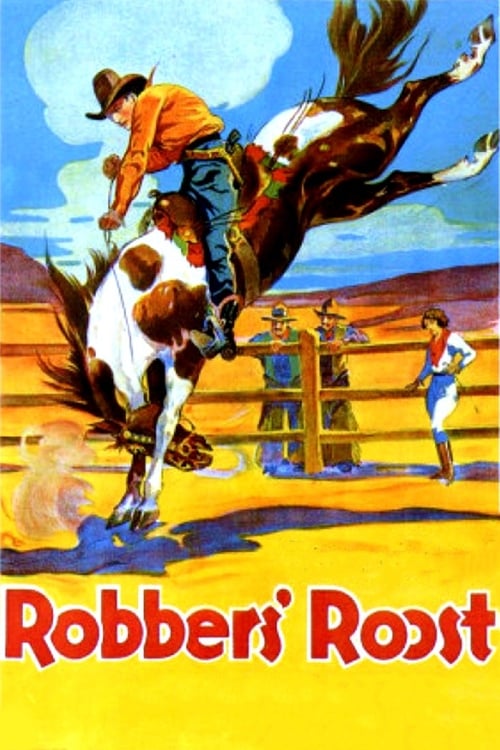
1955
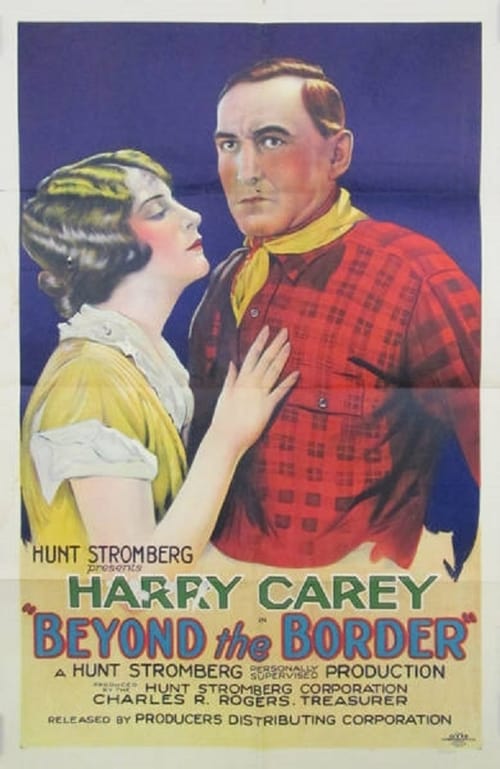
1925
No reviews yet. Be the first to share your thoughts on this movie!
Use the rating form above to leave a star rating and optional review.