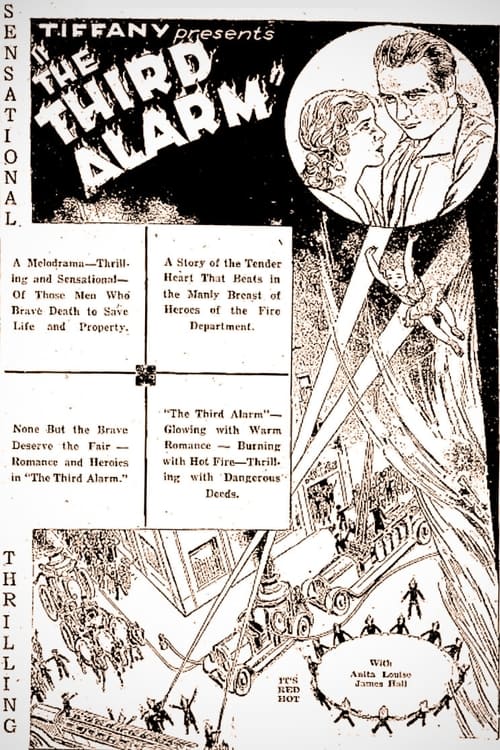
The Third Alarm
1930
No user ratings available yet
Representation score: 0.4 out of 10
Representation Score
Minimal
1925
PassedDirector
B. Reeves Eason
Runtime
55 minutes
Average Rating
No ratings yetNew Showbiz Analysis
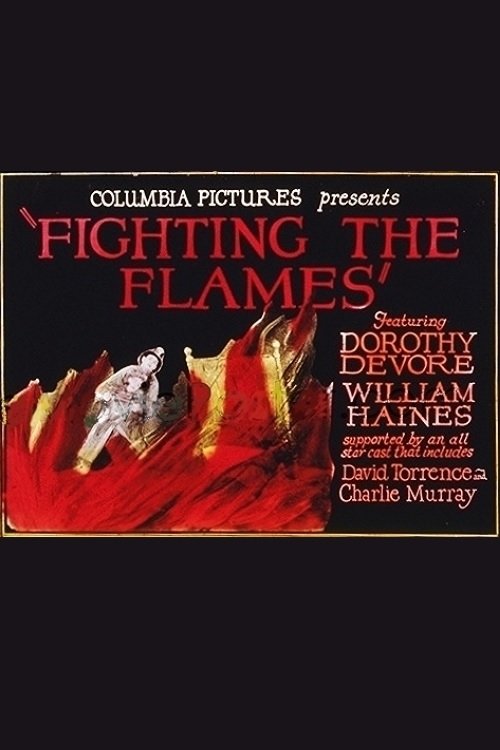
Fighting the Flames is a classic silent-era action drama that emphasizes traditional heroism and patriarchal structures. The plot revolves around a son's redemption and the restoration of familial order, adhering strictly to the social hierarchies of 1925. The film does not intentionally address identity-based representation. It operates within a white-centric, straight-centered framework that upholds established social norms without challenging them. While the film offers thrilling adventure, it lacks demographic breadth and cultural complexity.
Category Breakdown
The film does not include any LGBTQ+ characters or stories that challenge the assumption that everyone is straight or cisgender. It follows a traditional romantic and family-focused storyline typical of 1920s adventure dramas.
Gender roles in the film follow conventional patterns of the time. Alice Doran, a central character, primarily serves as someone needing rescue, leaving the male protagonist in charge of the situation.
The story centers around a homogeneous social structure. There is no indication of a diverse cast or inclusion of non-white characters.
The narrative emphasizes traditional Western values and individual heroism. It reinforces the importance of the family unit and legal authority without questioning these institutions.
There is no evidence of characters with visible or invisible disabilities in this production.
Present on Screen
Limited or Absent
Official Synopsis
Horatio Manly Jr. (William Haines), the only son of Judge Horatio Manly (David Torrence), is disowned by his father for obstructing firemen during a hotel fire. He later redeems himself by rescuing a young woman, Alice Doran (Dorothy Devore) and a street urchin, Mickey (Frankie Darro) from a burning building...and capturing Mickey's wicked father Big Jim (Sheldon Lewis), an escaped convict.
1930
1925
1926

1922
1935
1931
1923
1927
No reviews yet. Be the first to share your thoughts on this movie!
Use the rating form above to leave a star rating and optional review.