Cannonball Express
1932
No user ratings available yet
Representation score: 0.4 out of 10
Representation Score
Minimal
1936
ApprovedDirector
David Selman
Runtime
55 minutes
Average Rating
No ratings yetNew Showbiz Analysis
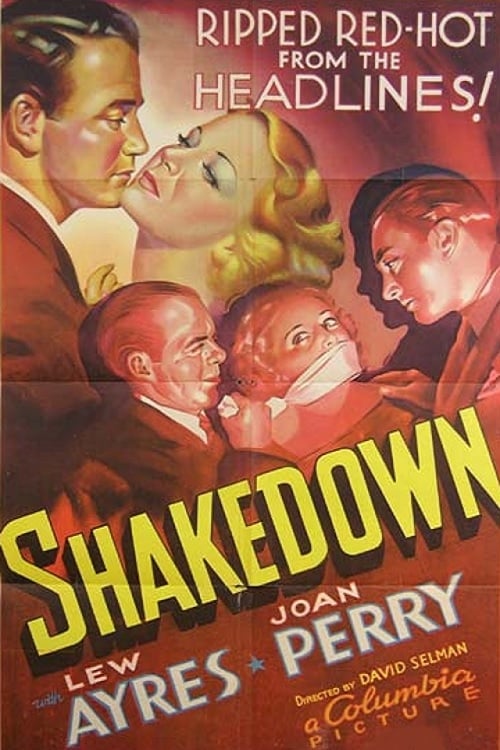
Shakedown is a conventional genre piece from 1936 that closely follows the social hierarchies of its time. The narrative structure prioritizes traditional romantic and economic dynamics over any meaningful representation of diverse identities. The film relies on established clichés, such as the male hero proving his worth through professional competence and financial stability. This reinforces mid-century gender roles and social norms rather than challenging them. Ultimately, the work lacks the intentionality needed to disrupt conventional expectations regarding race, gender, or social identity, functioning instead as a product of its specific historical context.
Category Breakdown
The film focuses on a typical romance between Bob Sanderson and Edith Stuart. It does not include any characters with non-traditional gender identities or narratives that challenge the assumption that everyone is straight or cisgender.
The male protagonist plays a significant role in driving the story with his engineering skills. The story emphasizes traditional 1930s masculine roles related to financial responsibility.
The narrative highlights class distinctions within a likely homogeneous setting. There is no indication of a multi-ethnic cast or diverse racial visibility.
Themes are grounded in 1930s Western values, emphasizing class mobility and romantic courtship. The plot supports traditional social structures and meritocratic ideals.
The film does not feature any characters dealing with physical, sensory, or neurodivergent conditions.
Present on Screen
Limited or Absent
Official Synopsis
A struggling young engineer, Bob Sanderson, refuses to marry the very-rich Edith Stuart until he can support her on his own earnings. He goes to work for her father as a messenger in the telegraph business, and, via his engineering skills, discovers a plot to kidnap Edith.
1932

1937
1939

1938

1931
1935
1935
1939
No reviews yet. Be the first to share your thoughts on this movie!
Use the rating form above to leave a star rating and optional review.