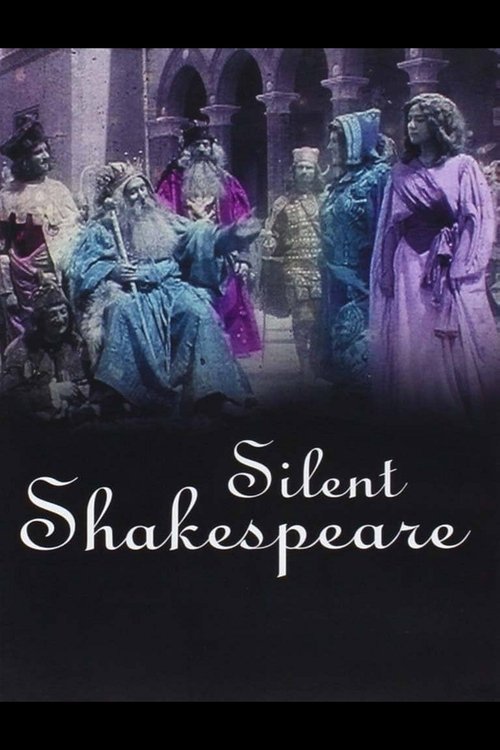
The Merchant of Venice
1911
No user ratings available yet
Representation score: 1.9 out of 10
Representation Score
Minimal
1923
Director
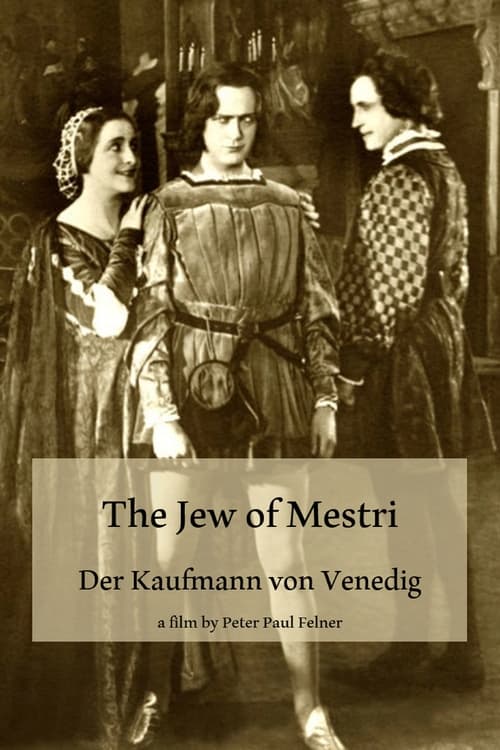
Peter Paul Felner
Runtime
87 minutes
Average Rating
No ratings yetNew Showbiz Analysis
Peter Paul Felner’s adaptation of Shakespeare’s work is a high-budget historical artifact that prioritizes prestige and canonical storytelling. While it engages with themes of social exclusion and ethnic distinction, it does so through the rigid dramatic archetypes of the 1920s. The film functions as a traditional adaptation that reinforces the social hierarchies found in the source text. It explores the tension between different cultural groups but remains bound by the cinematic conventions of its era. Ultimately, the production reflects the era's social constraints, offering a narrative that explores underrepresented identities through a classical, rather than subversive, lens.
Category Breakdown
The film does not include any characters with non-binary or LGBTQ+ identities, nor does it depict same-sex relationships. It adheres to the assumption that all characters are straight and cisgender, following the conventions of 1920s German silent drama.
The film features prominent female leads such as Henny Porten, providing visibility for women. However, women's ability to drive the story is limited by male-centric legal and financial conflicts central to the plot.
The film examines ethnic tension and the 'outsider' status through its central character. Its representation relies on early 20th-century dramatic clichés rather than modern perspectives that reflect multiple aspects of identity.
The production operates within a traditional Western framework, emphasizing established social hierarchies rather than deconstructing them through a contemporary lens of systemic critique.
There is no documented evidence regarding the portrayal of physical or neurodivergent disabilities in this production.
Present on Screen
Limited or Absent
Official Synopsis
The film "Der Kaufmann von Venedig" ( The Jew Of Mestri ) was written, produced and directed by Peter Paul Felner in the silent year of 1923 and is a free adaptation of "Merchant of Venice" written by Herr William Shakespeare. It is an elegant and expensive German film production that was shot on location in beautiful and decadent Venice with some of the most important Teutonic actors of the time: Henny Porten, Harry Liedtke und Werner Krauss and even the mysterious Max Schreck.
1911
1981
1907
1923
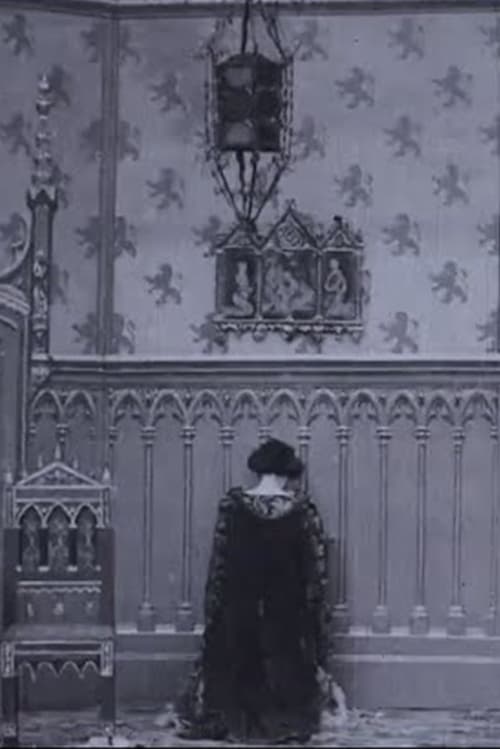
1910
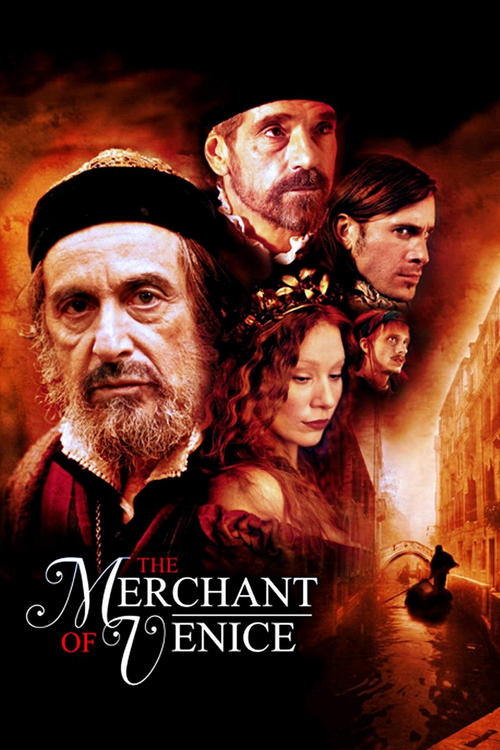
2004
1949

2000
No reviews yet. Be the first to share your thoughts on this movie!
Use the rating form above to leave a star rating and optional review.