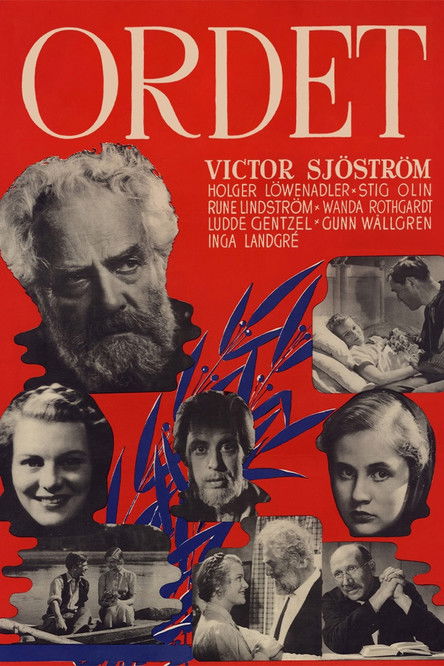
Ordet
1943
No user ratings available yet
Diversity score: 1.8 out of 10

1910
Director
Mario Caserini
Runtime
8 minutes
Average Rating
No ratings yetSynopsis
A selection of Hamlet’s most famous scenes are reproduced in this Italian production from 1910.
Overall Score
Minimal
Category Breakdown
LGBTQ+ Representation
The film follows the traditional heteronormative structures of Shakespeare's tragedy. It lacks non-cisnormative gender identities or queer-coded subtext.
Gender Representation
Female characters like Ophelia and Gertrude are central to the plot. However, their agency remains largely dictated by the male protagonists' actions.
Racial & Ethnic Diversity
The casting is homogeneous, reflecting the demographic norms of early 20th-century Italy. There is no evidence of ethnic diversity or race-bent casting.
Religious & Cultural Diversity
This production serves as a preservation of Western literary tradition. It operates within the established cultural hegemony of its era without deconstructing Western institutions.
Disability Representation
The narrative focuses on psychological turmoil rather than specific disability identities. There is no documented portrayal of physical or neurodivergent disabilities.
Strengths
Areas for Improvement
AI Analysis
Mario Caserini’s adaptation is a faithful reproduction of a classical literary canon. It prioritizes the preservation of Shakespearean drama over the subversion of social hierarchies, resulting in a production that mirrors the demographic and social norms of 1910 Italy. The film adheres to traditional gender and cultural frameworks. While central female figures drive the tragedy, they function within established patriarchal structures, and the casting remains strictly homogeneous. Ultimately, the work is a historical artifact of Western tradition. It lacks intentional diversity or the representation of marginalized identities, focusing instead on the psychological depth of its classical source material.
1943
1913
1933
1920
1932
1907
1914
1913

1911
1990
1920
1969
No reviews yet. Be the first to share your thoughts on this movie!
Use the rating form above to leave a star rating and optional review.