The Design
1981
No user ratings available yet
Diversity score: 4.7 out of 10
1982
Not RatedDirector
Jiří Barta
Runtime
17 minutes
Average Rating
No ratings yetSynopsis
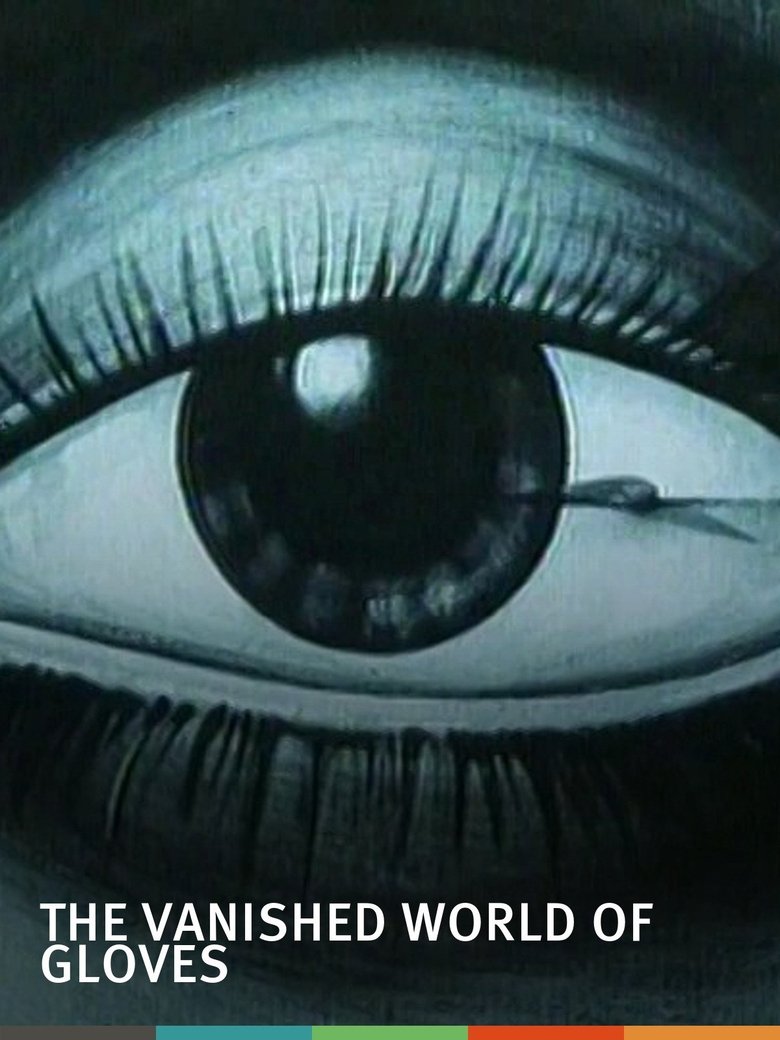
Using an array of gloves in different styles and from different historical periods, the film is a short history of the cinema - from silent movies via pastiches of Buñuel and Fellini and Close Encounters of the Third Kind to a futurist junkyard where tin cans become animated police cars in a city of urban decay.
Overall Score
Fair
Category Breakdown
LGBTQ+ Representation
The film utilizes surrealism and stylistic pastiches to engage with non-normative visual languages. While gloves lack explicit identities, the departure from human-centric narratives disrupts traditional heteronormative tropes.
Gender Representation
By using gloves to mimic human gestures, the film deconstructs the human form entirely. This abstraction bypasses traditional gendered archetypes, though the lack of explicit agency limits representation.
Racial & Ethnic Diversity
The historical survey of gloves from different periods implies a globalized look at human artifacts. However, the abstract medium prioritizes stylistic evolution over explicit ethnic representation.
Religious & Cultural Diversity
The film offers a sophisticated critique of modern industrial progress and Western notions of civilization. Its transition into a decaying, mechanized junkyard serves as a powerful cultural subversion.
Disability Representation
The narrative focuses on inanimate objects and the history of cinema. There is no evidence regarding the portrayal of physical or neurodivergent disabilities.
Strengths
Areas for Improvement
AI Analysis
Jiří Barta’s work uses stop-motion animation and surrealist textures to explore metaphorical landscapes. By employing gloves as anthropomorphic vessels, the film moves away from traditional human-centric storytelling to trace the evolution of cinema. The film's strength lies in its ability to use abstraction to challenge conventional expectations. It functions as a meta-narrative that critiques the trajectory of modernity through a lens of urban decay and systemic decline. Because the characters are inanimate objects, the film avoids traditional identity politics. Instead, it focuses on the semiotic deconstruction of historical and cultural institutions through a futurist, dystopian perspective.
1981

1978
1978
1972
1992
1965

1957

1989
1947
1980
1997
1976
No reviews yet. Be the first to share your thoughts on this movie!
Use the rating form above to leave a star rating and optional review.