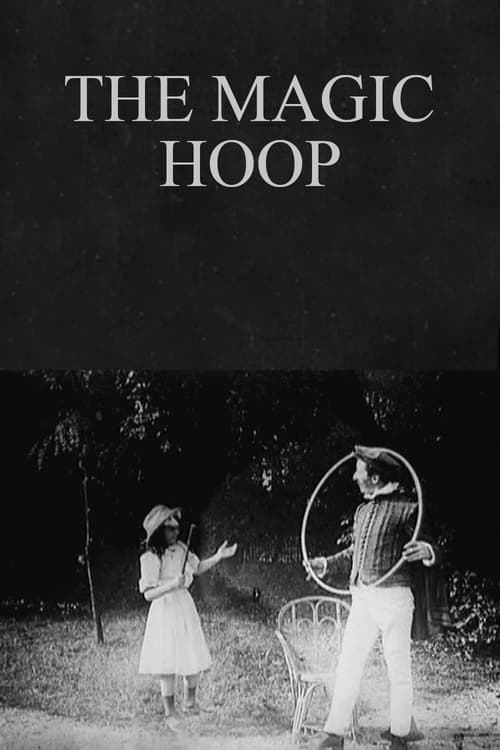
The Magic Hoop
1908
No user ratings available yet
Representation score: 1.6 out of 10
Representation Score
Fair
1978
Not RatedDirector
Jiří Barta
Runtime
8 minutes
Average Rating
No ratings yetNew Showbiz Analysis
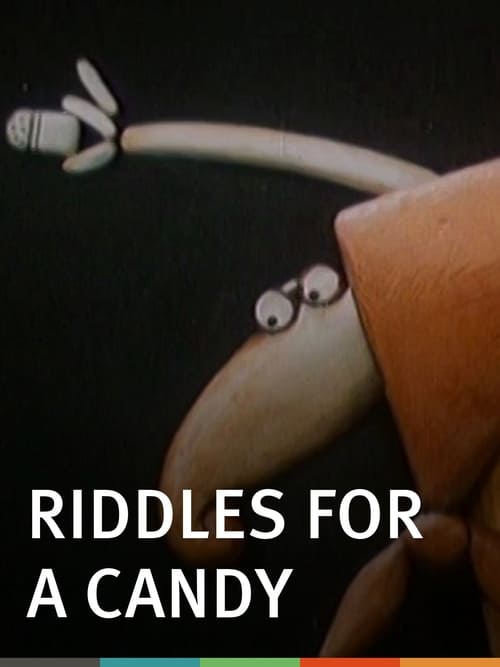
Jiří Barta’s animation emphasizes metaphorical depth and surrealism over traditional demographic representation. By focusing on a non-human protagonist, the film sidesteps many human-centric clichés. Its high-concept storytelling favors symbolic logic over identity politics, challenging established narrative norms. Ultimately, the film’s diversity lies in its abstraction, using non-human characters to explore complex philosophical themes.
Category Breakdown
The film centers on a creature and a magical object without depicting any queer identities or non-traditional gender roles.
Using an anthropomorphic character helps avoid traditional gender roles, disrupting typical expectations of masculine or feminine leadership.
Fantasy creatures represent various identities, offering a universalized approach to characterization without focusing on specific racial backgrounds.
The story highlights subjective morality and symbolic logic, critiquing rigid institutional structures and traditional authority through interactions between the creature and the magic book.
The film does not depict physical or neurodivergent disabilities.
Present on Screen
Limited or Absent
Official Synopsis
In Jiří Barta’s imaginative debut, a magic book poses three riddles to an anteater-like creature. His reward for answering, a wrapped piece of candy, proves elusive. Barta's animation revels in the possibilities of transformation and symbolic logic.
1908

1973

1977
1988
1978

1968

1957
1983
No reviews yet. Be the first to share your thoughts on this movie!
Use the rating form above to leave a star rating and optional review.