
The Other Man
1994
No user ratings available yet
Representation score: 2.1 out of 10
Representation Score
Limited
1997
RDirector
Alberto Vidaurri
Runtime
87 minutes
Average Rating
No ratings yetNew Showbiz Analysis
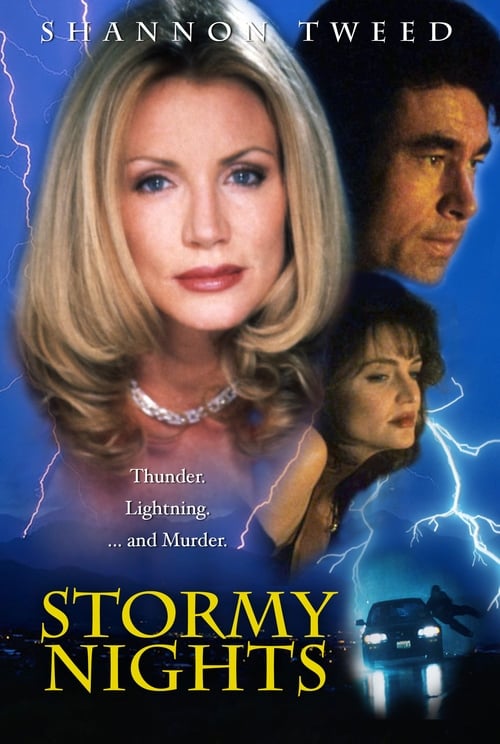
Stormy Nights operates strictly within the conventions of mid-90s noir and thriller cinema. The plot relies on established archetypes, such as the femme fatale and the weak husband, to fuel a domestic melodrama centered on lust and betrayal. The film lacks intentionality regarding diverse identities or systemic critique. Instead, it prioritizes interpersonal conflict and traditional moral frameworks, resulting in a narrative that mirrors the homogeneous casting and social structures of its era. Ultimately, the work functions as a standard genre piece that avoids disrupting conventional social hierarchies or exploring diverse cultural perspectives.
Category Breakdown
The story revolves around conflicts involving marital infidelity and assumes everyone is straight or cisgender. There are no stories or critiques of traditional romantic dynamics.
The film uses the femme fatale cliché to drive the plot. Despite the female lead having a significant role in the story, her actions are framed through themes of lust and betrayal, reinforcing traditional archetypes.
The cast and synopsis indicate a homogeneous casting pattern typical of 1990s thrillers. There is no indication of characters of color playing significant roles in the narrative.
The story centers on individual moral failings like murder and betrayal. It does not explore systemic institutions, social power dynamics, or diverse cultural frameworks.
There is no evidence of characters with visible or invisible disabilities being included or portrayed in the film.
Present on Screen
Limited or Absent
Official Synopsis
A lecherous widow tries to steal away another woman's weak husband, leading to lust, betrayal and murder.
1994

1986

1999
1981

1992
1955

1996
1946
No reviews yet. Be the first to share your thoughts on this movie!
Use the rating form above to leave a star rating and optional review.