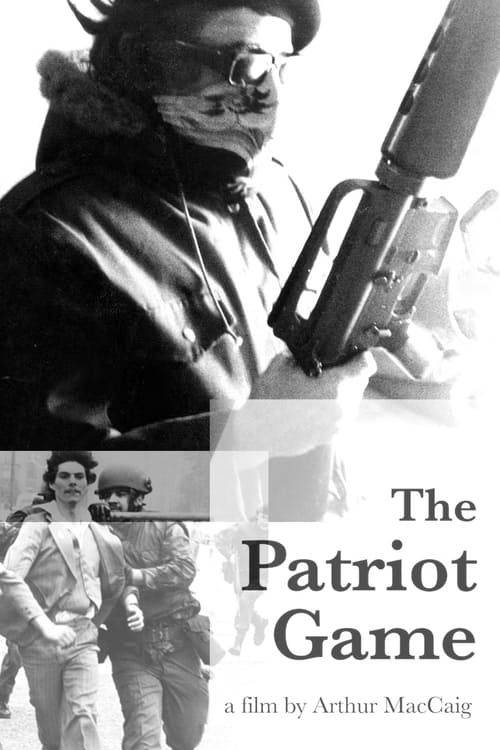
The Patriot Game
1979
No user ratings available yet
Representation score: 5.3 out of 10

Representation Score
Fair
1968
Director
Peter Lennon
Runtime
67 minutes
Average Rating
No ratings yetNew Showbiz Analysis
Rocky Road to Dublin serves as a journalistic inquiry into the socio-political landscape of 1960s Ireland. It functions primarily as a critique of the monolithic cultural identity shaped by clericalism and isolationism. The film's strength lies in its intellectual disruption of established social orders. By questioning the aftermath of a revolution, it moves beyond simple escapism to examine systemic structures. However, the work is limited by its historical context and narrow geographic focus. It lacks the explicit multi-layered casting and diverse representation found in modern documentary filmmaking.
Category Breakdown
The film does not explicitly depict LGBTQ+ identities. However, its critique of clericalism may indirectly challenge the moral frameworks that sideline these groups.
The documentary critiques the patriarchal hierarchies enforced by Gaelic and clerical traditions. While women's ability to drive the story is not the primary focus, the film's deconstruction of these power structures implies a subversion of traditional roles.
The narrative centers on Irish national identity and the struggle against cultural isolationism. It does not feature a multi-ethnic cast, focusing instead on reclaiming ability to act within a specific ethnic context.
The film engages deeply with themes of institutional critique. It questions the dominance of clericalism and explores the friction between emerging modernism and entrenched religious and social traditions.
There is no evidence regarding the portrayal of characters with physical or neurodivergent disabilities. Consequently, no meaningful representation can be assessed from the available material.
Present on Screen
Limited or Absent
Official Synopsis
Irish-born journalist Peter Lennon examines the contemporary (1967) state of the Republic of Ireland, posing the question, “What do you do with your revolution once you’ve got it?” It argues that Ireland was dominated by cultural isolationism, Gaelic and clerical traditionalism at the time of its making.
1979
1965
1967
1961
1968
2017
2018
1960
No reviews yet. Be the first to share your thoughts on this movie!
Use the rating form above to leave a star rating and optional review.