The Day the '60s Died
2015
No user ratings available yet
Diversity score: 5.8 out of 10
1979
Director
Arthur MacCaig
Runtime
98 minutes
Average Rating
No ratings yetSynopsis
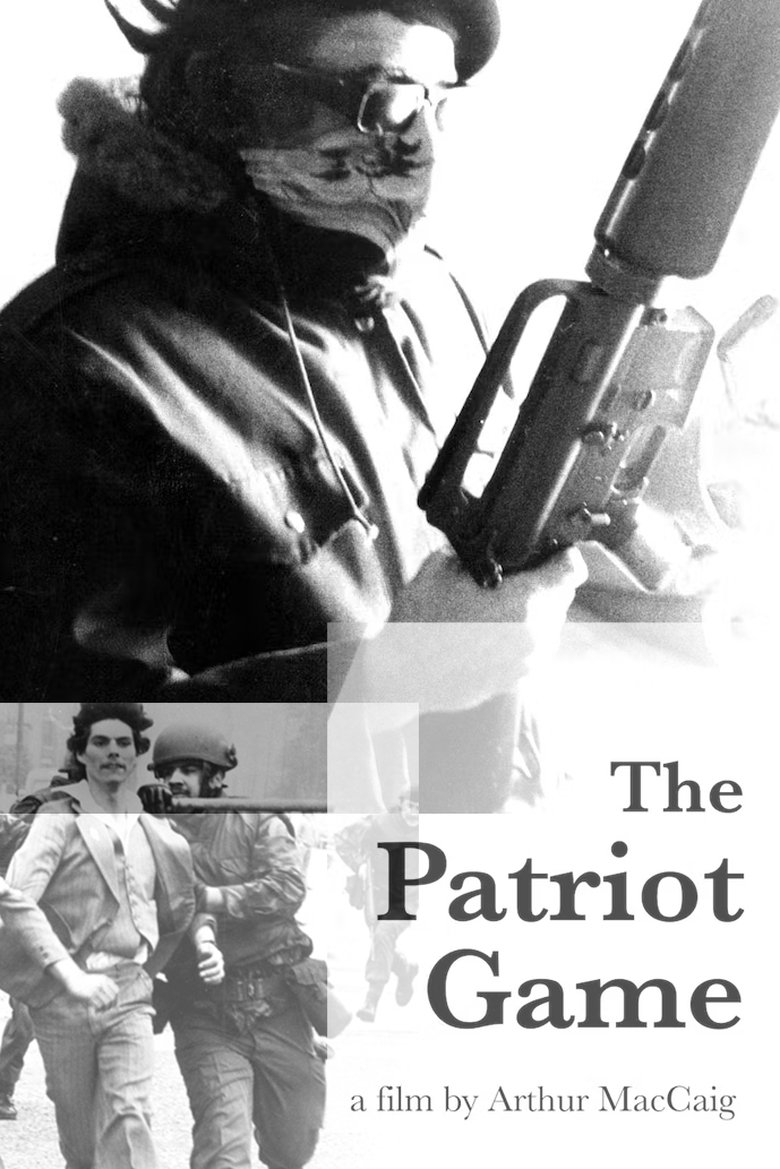
Recounts Ireland's history from British colonization to the territory's division in 1922, then from 1968 details a decade of events through images and eyewitness accounts of killings and such massacres as the infamous "Bloody Sunday" as the IRA argues their cause.
Overall Score
Fair
Category Breakdown
LGBTQ+ Representation
The film focuses on macro-level political and historical struggles. There is a lack of visible evidence regarding queer narratives or non-cisnormative identities.
Gender Representation
The narrative centers on geopolitical and paramilitary conflicts. These accounts often prioritize male-driven political agency and traditional masculine leadership roles.
Racial & Ethnic Diversity
The film challenges Anglo-centric histories by centering the Irish struggle. It disrupts conventional Western perspectives by framing the British Empire as an external power.
Religious & Cultural Diversity
The documentary critiques Western institutional power and systemic oppression. It uses eyewitness accounts to highlight the human cost of state-sanctioned actions.
Disability Representation
There is no evidence suggesting disability or neurodivergence are central themes. These elements do not appear to be utilized as character devices.
Strengths
Areas for Improvement
AI Analysis
The Patriot Game serves as a piece of historical revisionism that disrupts standard Western colonial narratives. It prioritizes the struggle of a marginalized group against a dominant hierarchy, providing significant cultural depth through its critique of institutional power. However, the film lacks focus on individual identity politics. The emphasis on paramilitary and geopolitical conflict results in a scarcity of representation for LGBTQ+ and gender-diverse perspectives, leaning instead toward traditional masculine political agency. Ultimately, the documentary succeeds as a tool for challenging colonial history, even while it remains silent on specific intersectional identities like disability or sexual orientation.
2015
1986
2002
2007
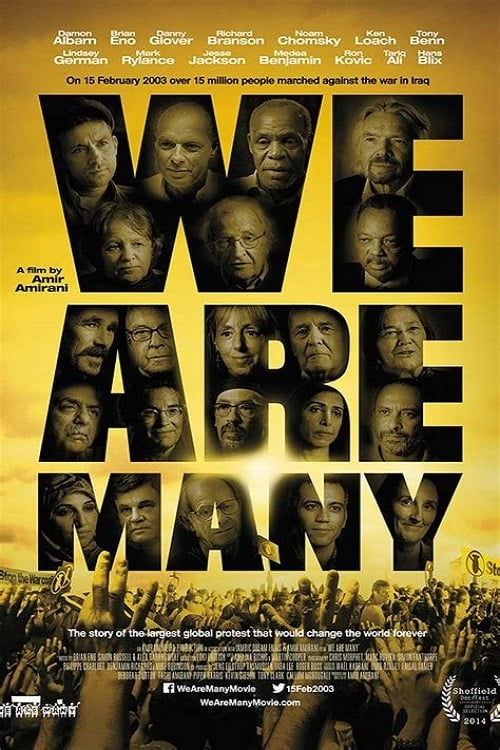
2014
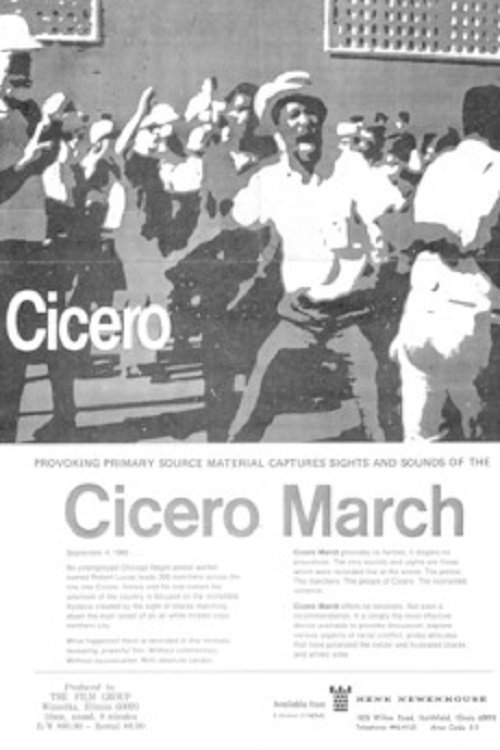
1966
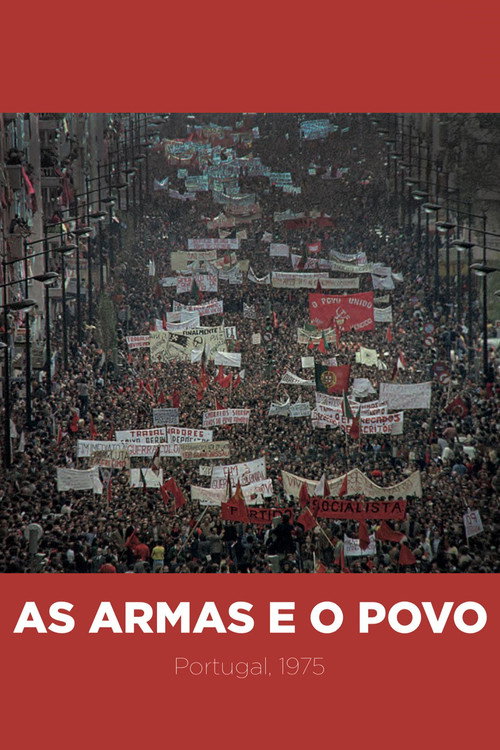
1977
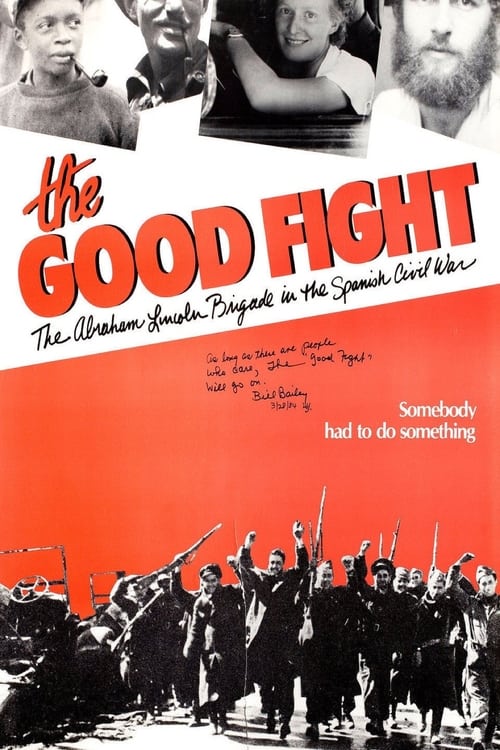
1984
2017
1973
2022
2011
No reviews yet. Be the first to share your thoughts on this movie!
Use the rating form above to leave a star rating and optional review.