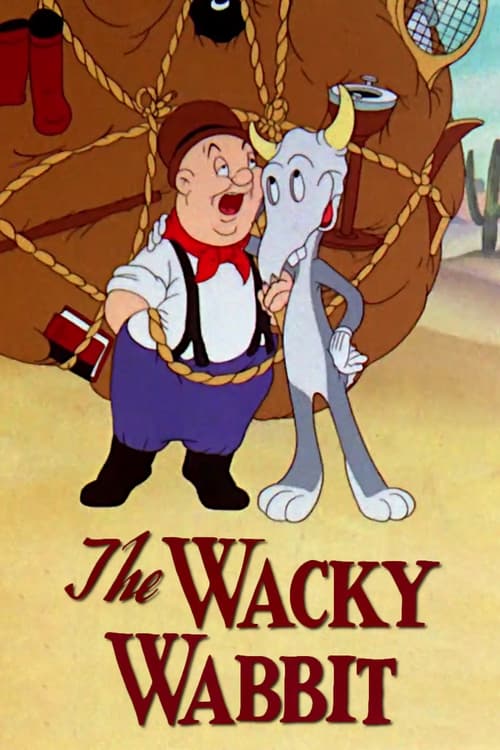
The Wacky Wabbit
1942
No user ratings available yet
Representation score: 0.9 out of 10
Representation Score
Minimal
1941
NRDirector
Robert Clampett, Tex Avery
Runtime
8 minutes
Average Rating
No ratings yetNew Showbiz Analysis
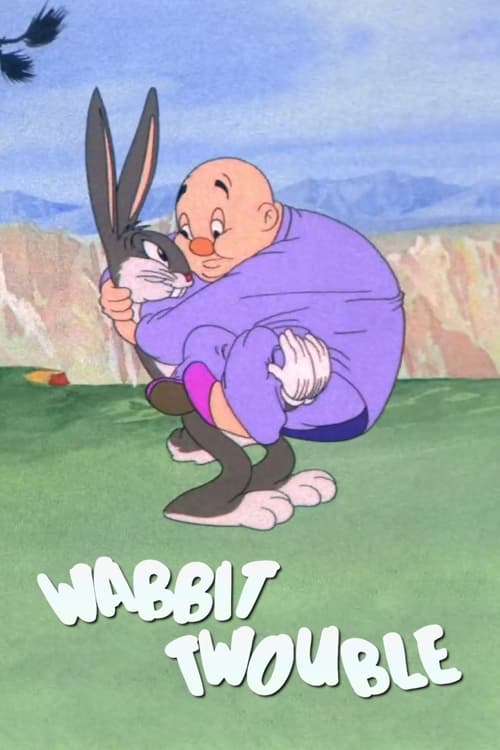
Wabbit Twouble is a product of its era, emphasizing kinetic energy and surrealism over social complexity. While the direction by Clampett and Avery disrupts conventional narrative logic, the themes remain narrow and traditional. The film relies on established character archetypes and slapstick clichés that lack depth in terms of diverse perspectives. Ultimately, the work reflects the homogeneous social landscape of 1941 animation, focusing on individualistic pursuits rather than broader cultural critiques.
Category Breakdown
The film does not include any LGBTQ+ characters or non-straight relationships. The plot revolves around the slapstick conflict between Elmer Fudd and the animal characters.
Female characters have minimal roles, with ability to act focused on non-human characters. The story sticks to traditional slapstick clichés without challenging gender norms.
The cast appears uniform, reflecting typical Western animation styles of the early 1940s. There is no indication of diverse ethnic identities or racial blending.
The story follows traditional Western comedic structures centered on individual conflicts. It operates within the social norms of the time without questioning them.
There is no evidence of the portrayal of physical or neurodivergent disabilities in this short.
Present on Screen
Limited or Absent
Official Synopsis
Elmer Fudd expects to find "west and wewaxation" during his visit to Jellostone National Park, but he sets up camp in Bugs' backyard, and the rabbit (and a neighboring bear) definitely don't have leisure in mind.
1942
1940
1943
1951
1945
1942
1954
1941
No reviews yet. Be the first to share your thoughts on this movie!
Use the rating form above to leave a star rating and optional review.