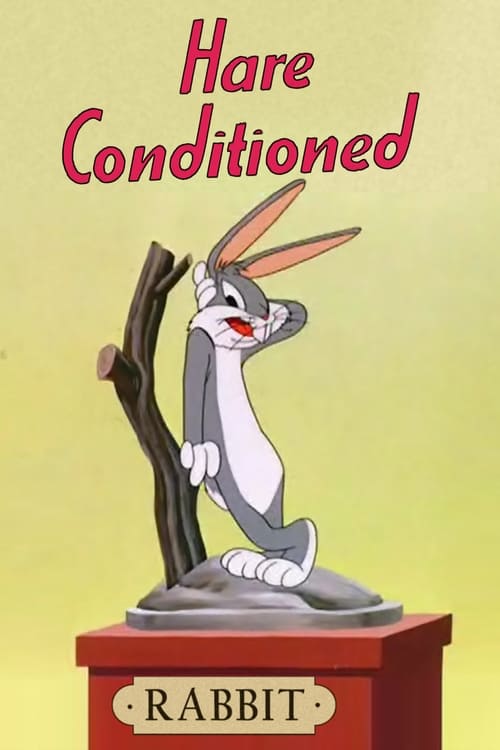
Hare Conditioned
1945
No user ratings available yet
Representation score: 0.9 out of 10
Representation Score
Minimal
1943
TV-PGDirector
Chuck Jones
Runtime
7 minutes
Average Rating
No ratings yetNew Showbiz Analysis
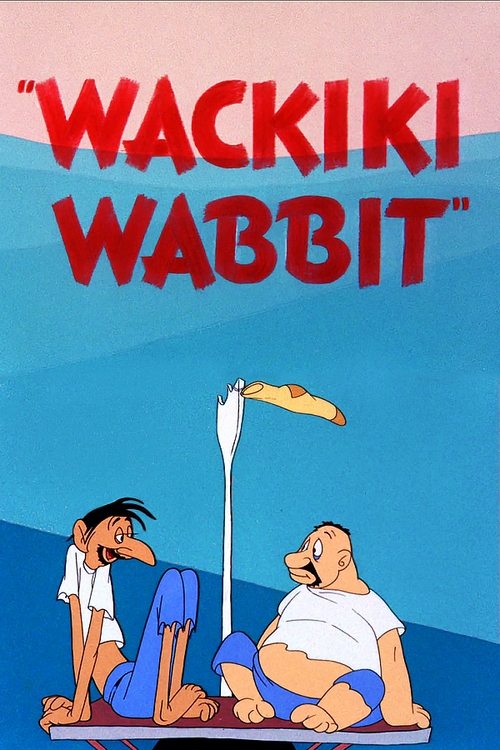
Wackiki Wabbit is a product of its 1943 production era, prioritizing slapstick survivalist comedy over social representation. The narrative centers on Bugs Bunny navigating threats on a tropical island, a setting that historically risks leaning into exoticized clichés. While Chuck Jones is known for sophisticated character psychology, this specific work lacks diverse identities or the disruption of social norms. The castaways and protagonist drive a standard conflict for resources without broader social commentary. Ultimately, the film functions as a period-typical comedy, lacking the intentional inclusion of diverse voices seen in more modern animation.
Category Breakdown
The film does not include any characters with LGBTQ+ identities. The story revolves around the interactions between Bugs Bunny and the castaways on a tropical island.
There are no female characters in the narrative. The story centers on the interactions between Bugs Bunny and the castaways.
The tropical setting may rely on exoticized clichés common to mid-century animation. Without specific character details, the film lacks diverse representation.
The plot follows traditional survivalist clichés rather than deconstructing Western institutions. It presents a conventional struggle for resources typical of the era.
No characters with visible or invisible disabilities appear in the story. The focus remains on the central comedic conflict.
Present on Screen
Limited or Absent
Official Synopsis
On a tropical island, a pair of castaways look to Bugs as a source of food.
1945
1940
1942
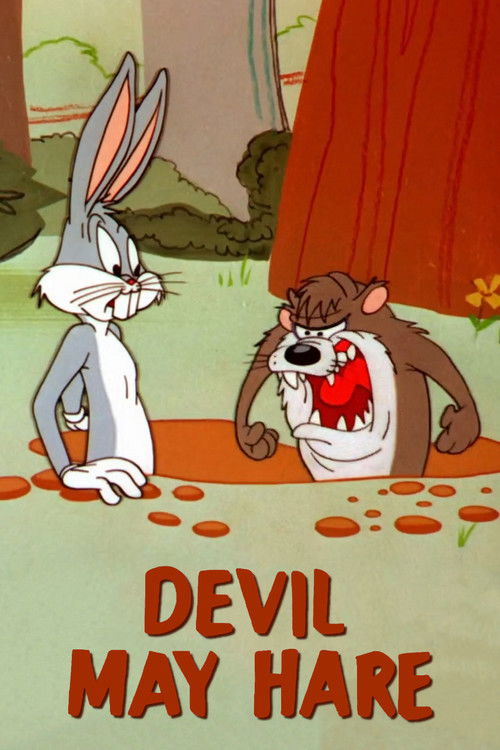
1954
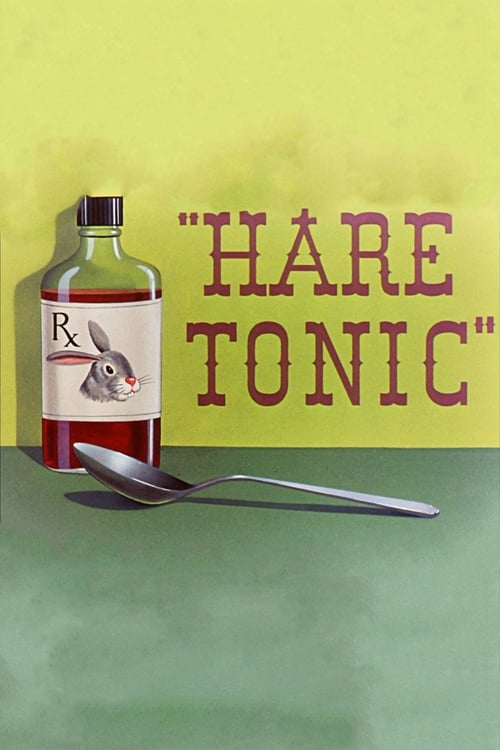
1945
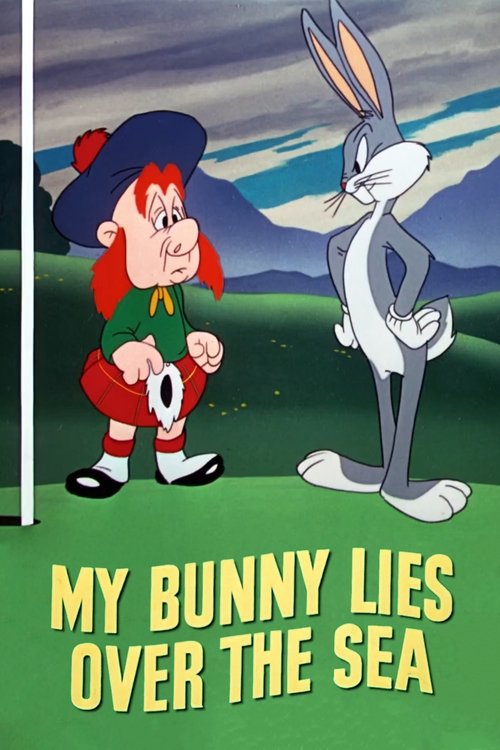
1948
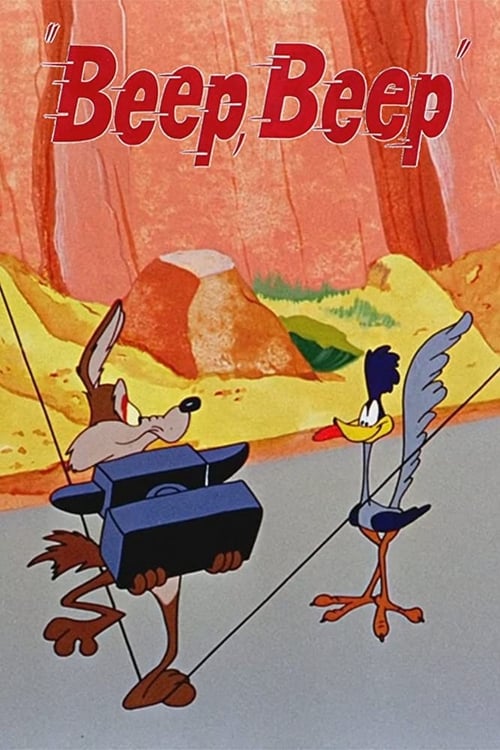
1952
1955
No reviews yet. Be the first to share your thoughts on this movie!
Use the rating form above to leave a star rating and optional review.