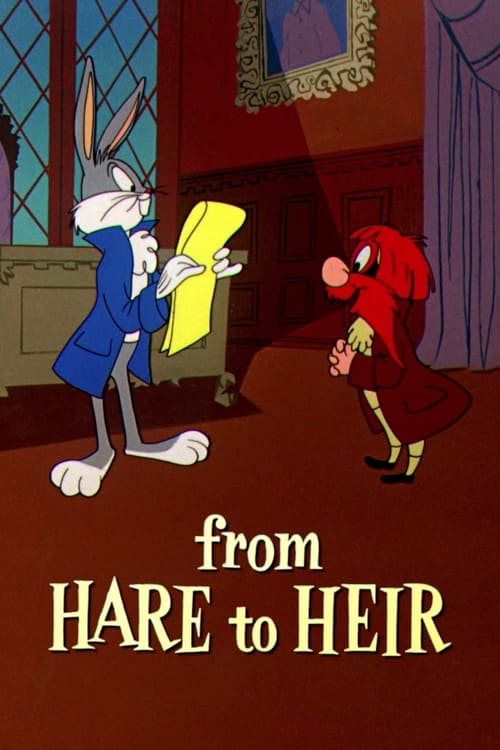
From Hare to Heir
1960
No user ratings available yet
Representation score: 1.1 out of 10
Representation Score
Minimal
1942
ApprovedDirector
Friz Freleng
Runtime
8 minutes
Average Rating
No ratings yetNew Showbiz Analysis
This 1942 short is a classic example of mid-century slapstick animation. The narrative structure emphasizes kinetic humor and character-driven gags over social commentary or diverse representation. The film centers on the well-known rivalry between Bugs Bunny and Elmer Fudd. Given its confined, domestic setting, it does not disrupt traditional social or cultural norms. Overall, the work adheres to the era's standard for character-centric, non-political entertainment. It serves as a comedic vacuum rather than a platform for diverse perspectives.
Category Breakdown
The film does not depict any LGBTQ+ identities or same-sex relationships. It stays within a traditional comedic framework focused on a non-human character.
The cast revolves around the conflict between a rabbit and Elmer Fudd. It does not explore gender dynamics or challenge traditional gender roles.
The setting features a homogeneous, anthropomorphic environment. There is no evidence of racial or ethnic diversity among the characters.
The story follows a typical trickster plot involving a financial inheritance. It does not engage with religious, secular, or anti-colonial themes.
No characters are shown with visible or invisible disabilities. The physical comedy relies on exaggerated cartoon physics rather than realistic portrayals of disability.
Present on Screen
Limited or Absent
Official Synopsis
Bugs Bunny exploits the situation when an uncle leaves Elmer Fudd three million dollars on the condition that he harm no animals, especially rabbits.
1960
1951
1942
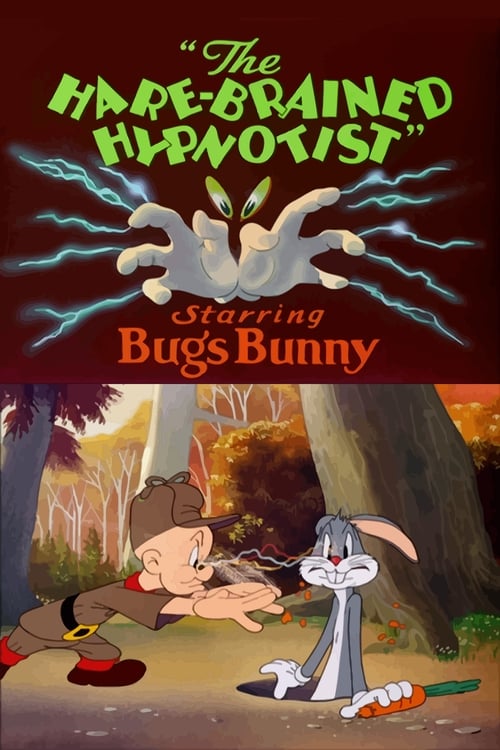
1942
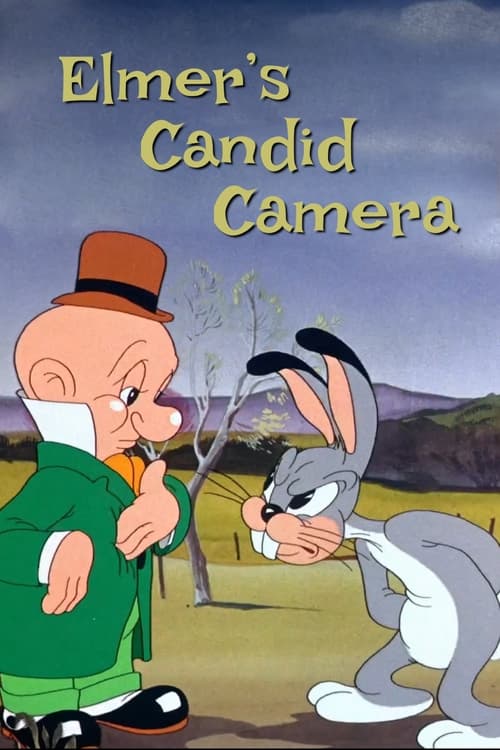
1940
1945
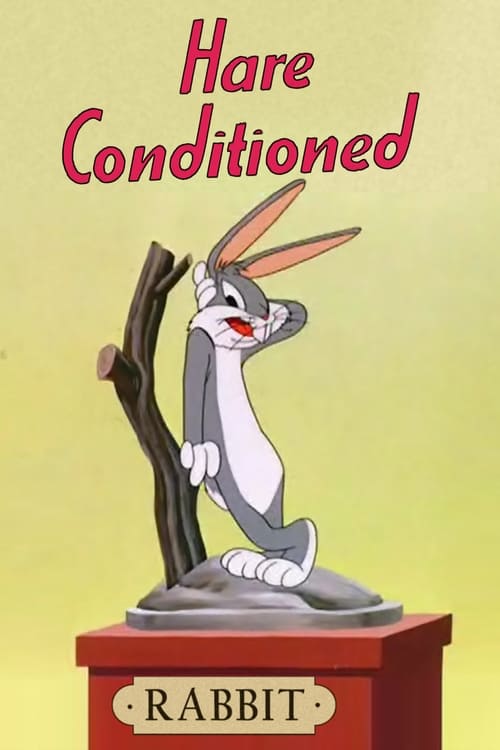
1945
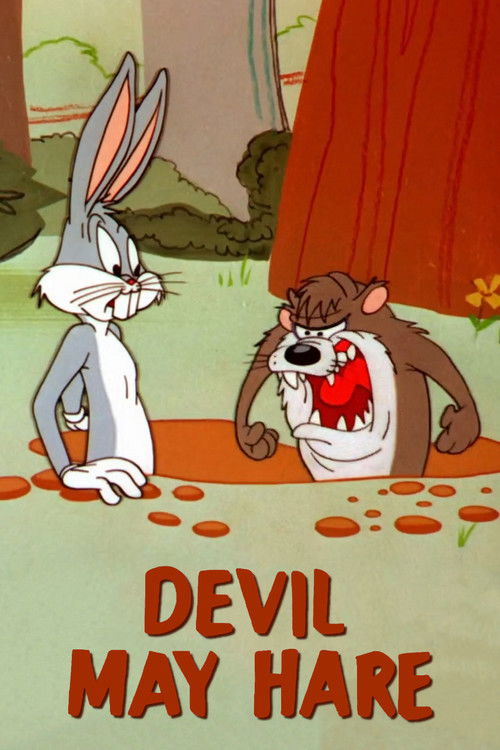
1954
No reviews yet. Be the first to share your thoughts on this movie!
Use the rating form above to leave a star rating and optional review.